The Central government has welcomed the decision of the CJP to call off its proposed protest scheduled for September 5, 2026. The development follows discussions between government representatives and students over cases registered in connection with earlier protests.
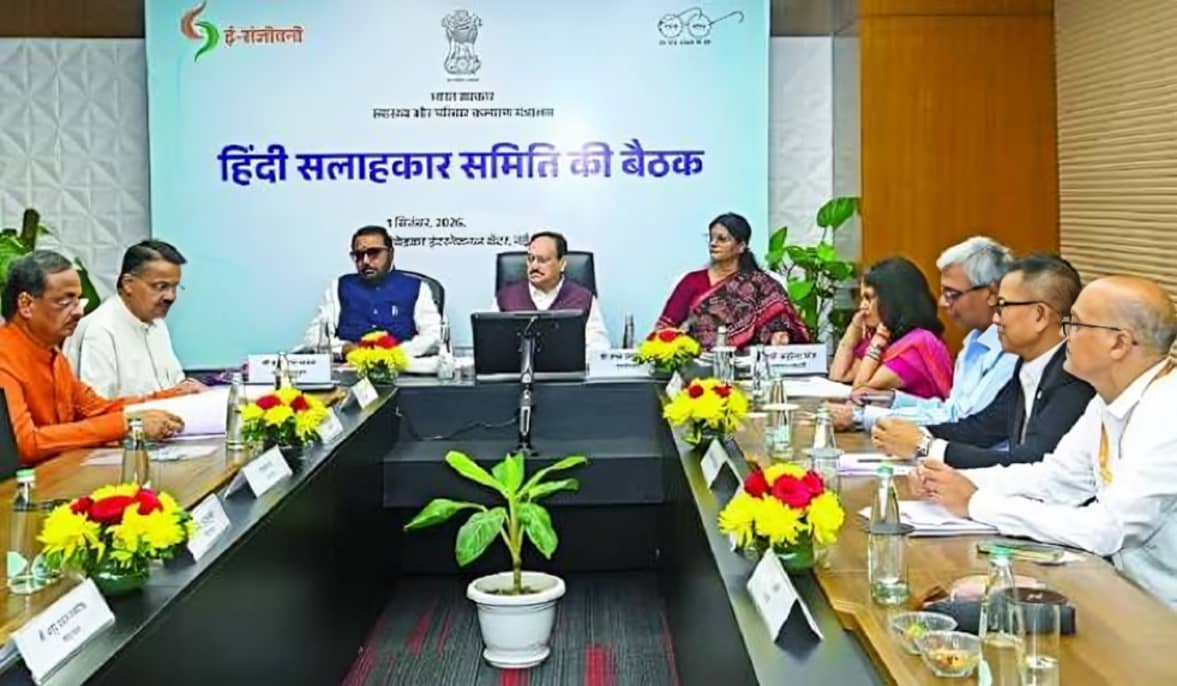
Union Minister JP Nadda said on Tuesday that the government would honour its assurance to students regarding the withdrawal of cases. He said the decision was taken while keeping the future of the students in mind and added that the government did not want legal proceedings arising from protests to adversely affect their academic and professional prospects.
According to Nadda, he and Union Minister Jitendra Singh held discussions with representatives of the protesting students on July 25, 2026. During the meeting, the government assured the students that cases registered against them would be withdrawn and that strict action would not be pursued against them.
Nadda said the government had subsequently discussed the matter with governments in states ruled by the Bharatiya Janata Party. The discussions were aimed at ensuring that the assurance concerning the withdrawal of cases could be implemented across the relevant jurisdictions.
The government’s response came after the CJP spokesperson announced that the organisation had decided to cancel its proposed September 5 protest. Nadda welcomed the decision and described it as a positive development following the discussions with student representatives.
The planned protest had been linked to demands concerning students who faced legal proceedings following earlier demonstrations. The issue had remained a subject of discussion between student representatives and government authorities, with the protesters seeking relief from cases registered during the earlier protests.
Nadda said the Centre’s approach was guided by the need to protect the future of young people. He stressed that the government’s priority was the progress and development of the country’s youth.
The development also comes amid a wider legal and political discussion concerning cases filed against student protesters. The Supreme Court has separately dealt with cases involving student demonstrations and has issued orders concerning the continuation or withdrawal of certain first information reports.
The government’s announcement regarding the withdrawal of cases is expected to provide relief to students who were facing legal proceedings linked to their participation in the protests. For affected students, withdrawal of such cases could reduce the potential impact on their education, employment opportunities and future professional plans.
Nadda reiterated that the government had made a commitment during its meeting with student representatives and that steps were being taken to fulfil that commitment. He also indicated that coordination with state governments was part of the process because cases may have been registered in different jurisdictions.
The decision to call off the September 5 protest therefore marks a temporary easing of tensions between the student group and the authorities. The cancellation means that the proposed demonstration will not take place as originally planned, following the assurances provided by the government.
The Centre has presented the development as an outcome of dialogue rather than confrontation. The government’s position is that discussions with student representatives helped address their concerns and that the withdrawal of cases would demonstrate its commitment to safeguarding students’ future.
For students, the issue of legal cases has been particularly important because criminal proceedings can create difficulties in educational and professional settings. The government’s assurance is therefore significant for those who were involved in the earlier demonstrations and subsequently faced cases.
Nadda also emphasised the importance of youth development. The government has stated that young people are central to the country’s future and that their education, career prospects and overall development should remain a priority.
The discussions between the Centre and student representatives also demonstrate the role of negotiations in resolving disputes related to public demonstrations. Rather than allowing the proposed September 5 protest to proceed, the latest understanding has resulted in the cancellation of the planned programme.
The next stage will involve the implementation of the government’s assurance concerning the cases. Since the cases involve different jurisdictions, coordination with the concerned state governments and relevant authorities will be necessary.
The government’s statement indicates that it intends to follow through on the commitment made during the July 25 meeting. Nadda said discussions had already been held with BJP ruled state governments regarding the withdrawal process.
The development is also being closely watched because of the broader debate surrounding student protests and the legal consequences faced by participants. Student organisations have frequently argued that peaceful participation in demonstrations should not permanently affect the academic and professional futures of young people.
The Centre, meanwhile, has sought to emphasise dialogue and the protection of students’ interests. Nadda’s statement that the government’s priority is the progress and development of youth reflects this approach.
The cancellation of the September 5 protest does not necessarily end all discussions surrounding the students’ concerns. However, the withdrawal of cases and the government’s assurance could create an opportunity for further dialogue between student representatives and authorities.
The immediate focus will now be on ensuring that the promised action concerning the cases is completed through the appropriate legal and administrative procedures. The implementation process may involve several government departments and state authorities depending on where the cases were registered.
For the students concerned, the withdrawal of cases could represent an important step toward resolving the consequences of the earlier protests. For the government, the development allows it to demonstrate that student concerns can be addressed through dialogue and administrative action.
The decision by the CJP to call off the September 5 protest, combined with the Centre’s assurance on cases, has therefore reduced the immediate possibility of another major student demonstration. Both sides have indicated that the concerns of students and their future remain central to the discussions.
The government has reiterated that the development and progress of young people will remain a priority. The coming weeks will determine how effectively the assurance on withdrawing cases is implemented and whether the latest understanding leads to further dialogue on the remaining concerns of the student community.