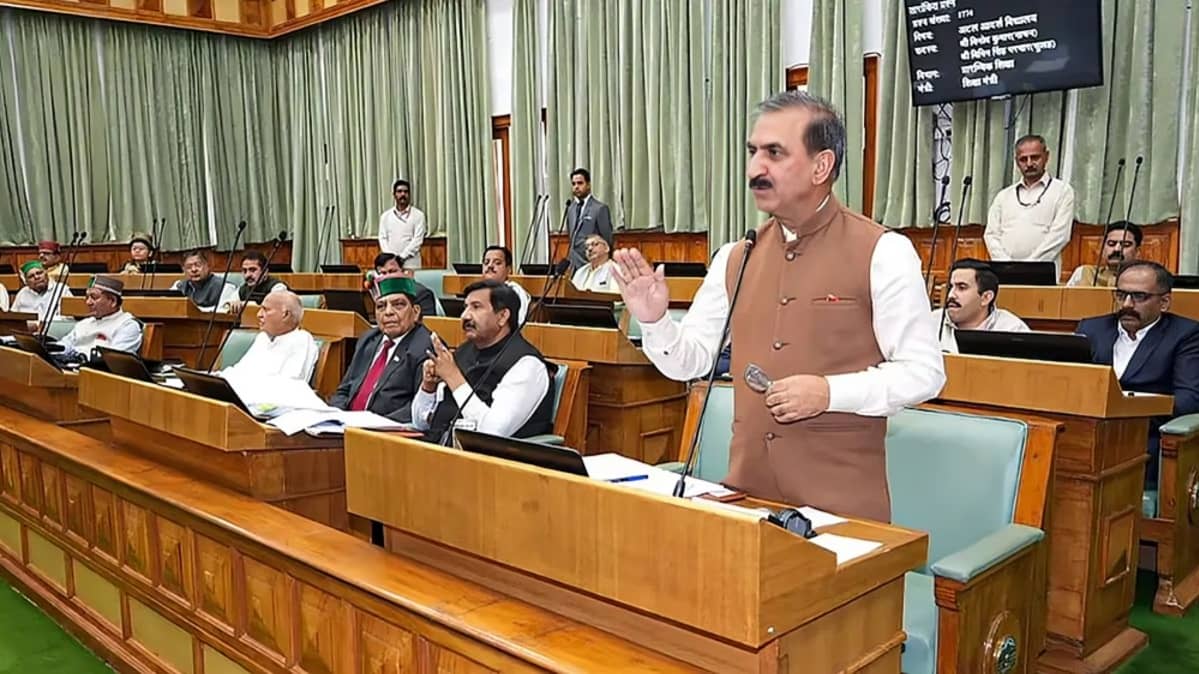
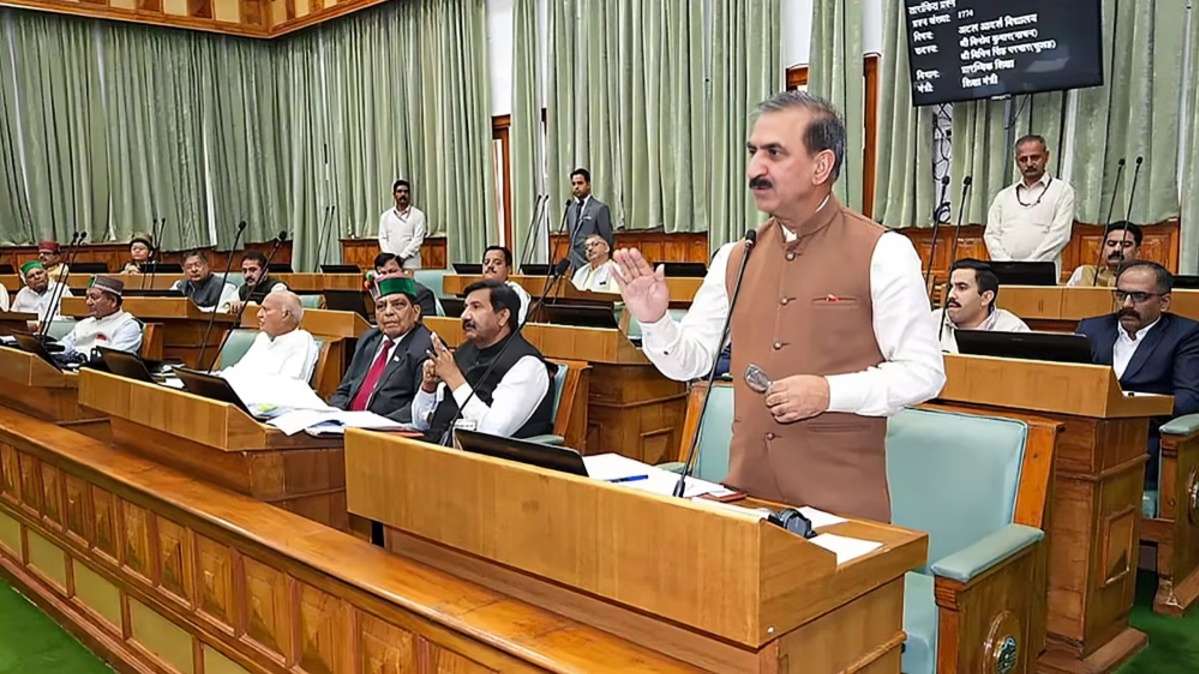
The Himachal Pradesh Assembly has passed the Himachal Pradesh State Universities Amendment Bill 2026, introducing changes to the recruitment system in state funded universities. The legislation was passed by voice vote on September 2 amid strong opposition from BJP legislators and protests by university teachers.
The Himachal Pradesh government has defended the Bill by stating that the proposed changes are intended to improve transparency, accountability and merit in university recruitment. The government has also cited the need for stronger financial discipline in universities that receive substantial financial assistance through government grants.
One of the major provisions of the amended framework relates to the recruitment of teaching and non teaching staff. Under the revised system, universities will retain the authority to appoint professors and associate professors directly. Recruitment for several other positions will instead be conducted through state recruitment agencies, including the Himachal Pradesh Public Service Commission and the Himachal Pradesh Raj Chayan Aayog.
Chief Minister Sukhvinder Singh Sukhu and the state government have argued that the new arrangement would help establish a more transparent and merit based recruitment process. The government has maintained that the changes are aimed at strengthening the functioning of universities and ensuring that appointments are carried out through a structured selection mechanism.
However, the proposed recruitment changes have faced opposition from university teachers and BJP legislators. The Himachal Pradesh University Teachers Welfare Association staged a protest against the legislation, expressing concern that transferring recruitment responsibilities to state agencies could affect the autonomy of universities.
University teachers have argued that recruitment of academic staff is closely connected with the academic requirements of individual institutions. They have raised concerns that a centralised recruitment process could reduce the ability of universities to select candidates according to their specific academic and departmental needs.
The issue of university autonomy has become one of the central points of disagreement surrounding the Bill. Critics have questioned whether greater involvement of state recruitment agencies in university appointments could have an impact on academic independence and institutional decision making.
BJP legislators also opposed the proposed changes during the Assembly proceedings. The opposition argued against the government's approach and raised concerns about the implications of transferring recruitment powers from universities to state level recruitment bodies.
Despite the objections, the Bill was passed through a voice vote. The passage means that the proposed changes to the recruitment structure can now move forward, subject to the remaining constitutional and administrative procedures required for the legislation to take effect.
The government has presented the legislation as part of a broader effort to improve governance in universities. According to the government's position, universities receiving significant public funding should maintain stronger financial discipline and follow transparent procedures for recruitment and administration.
The Bill also seeks to strengthen financial oversight of state universities. The proposed framework gives greater importance to financial monitoring in institutions that depend substantially on government grants for academic, research and administrative activities. The government has said that improved oversight is necessary to ensure responsible use of public funds.
The recruitment provisions, however, have attracted the most attention from university employees and opposition parties. Teachers' organisations have expressed concern that changes to appointment procedures could have consequences beyond recruitment and potentially affect the wider functioning of universities.
The debate reflects a broader question about how university recruitment should be managed. Supporters of the government's approach argue that recruitment through established state agencies can provide a standardised and transparent selection process. Opponents believe universities should retain greater control over academic appointments because individual institutions understand their own academic requirements.
The distinction between teaching and non teaching appointments is also significant under the new framework. Professors and associate professors will continue to be appointed directly by universities, while several other recruitment processes will be handled through state recruitment mechanisms. This creates a mixed recruitment model for universities across the state.
The legislation applies to six government universities in Himachal Pradesh. The proposed changes are therefore expected to have a significant impact on recruitment procedures across the state's higher education system.
The protests by university teachers indicate that concerns over the Bill are not limited to political parties. Academic representatives have also raised questions about the balance between government oversight and institutional independence.
At the same time, the government has maintained that the legislation is intended to strengthen, rather than weaken, the higher education system. Its argument is that transparent recruitment, merit based selection and stronger financial controls are necessary for publicly funded universities.
The passage of the Bill does not end the debate over the issue. Questions surrounding university autonomy, recruitment procedures and the role of state agencies are likely to continue as the new system is implemented.
For students, faculty members and university administrators, the practical impact of the changes will become clearer once detailed rules and procedures are notified. The implementation process will determine how recruitment responsibilities are divided between universities and state recruitment agencies.
The Himachal Pradesh government is expected to proceed with the administrative steps required to implement the amended provisions. Universities and recruitment bodies will then have to adapt their procedures to the revised framework.
The controversy surrounding the Bill highlights the competing priorities of transparency and institutional autonomy. While the government is focusing on merit based recruitment and accountability, teachers and opposition members are concerned about preserving the decision making powers and academic independence of universities.
The Assembly's decision marks an important change in the recruitment framework for state universities in Himachal Pradesh. The effectiveness of the new system will ultimately depend on how transparently the recruitment process is conducted and whether universities are able to maintain appropriate academic standards while complying with the revised rules.
For now, the Himachal Pradesh State Universities Amendment Bill 2026 has cleared the state Assembly despite strong objections. The next phase will focus on implementation, recruitment procedures and the response of universities and academic organisations to the new framework.