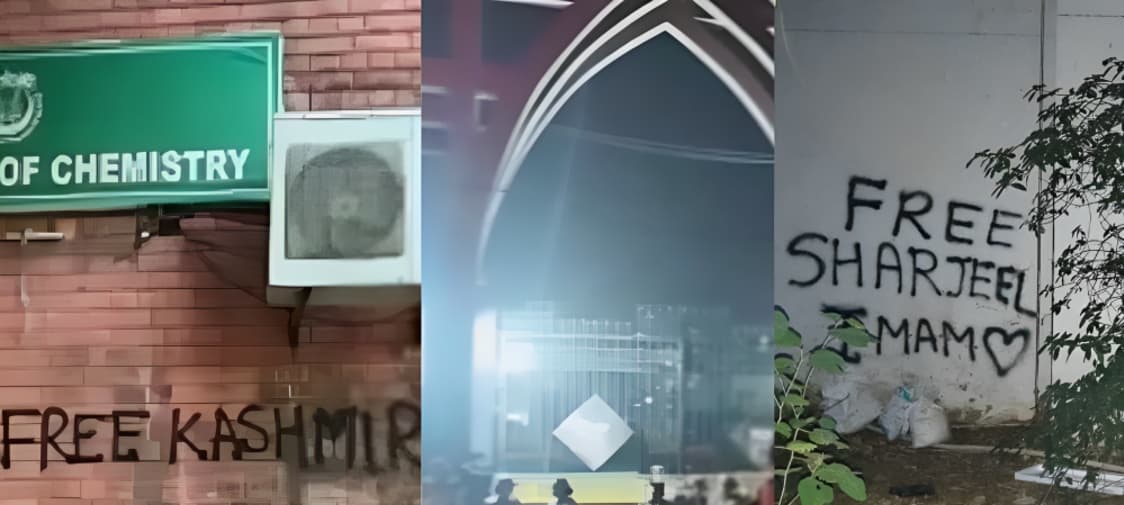
Assam Chief Minister Himanta Biswa Sarma has drawn attention to a report that he claims uncovers a conspiracy aimed at undermining India’s sovereignty. Speaking at a press briefing, Sarma stated that the report reveals coordinated attempts by certain external and internal actors to interfere in India’s governance and weaken national integrity. He stressed that such activities pose serious threats to democratic institutions and the stability of the nation.
According to Sarma, the report details instances of influence operations targeting political processes, government decision-making, and key administrative functions. The findings suggest that actors with vested interests are attempting to manipulate policy outcomes and public perception, thereby challenging the authority of sovereign institutions. He warned that the implications of these actions could have far-reaching consequences if not addressed promptly and effectively.
The Chief Minister emphasized that the report is not merely a collection of allegations but a comprehensive analysis of intelligence and documented incidents. It highlights the need for heightened vigilance, coordinated monitoring, and strict legal enforcement to safeguard the country’s sovereignty. Sarma urged policymakers, law enforcement agencies, and civil society to take the findings seriously and implement measures to mitigate potential threats.
Sarma also stressed that citizens have a role to play in protecting India’s democratic integrity. Public awareness, responsible reporting, and adherence to constitutional values are essential to prevent the erosion of sovereignty. He highlighted that the report serves as a wake-up call for all stakeholders to prioritize national security and governance transparency over partisan or personal agendas.
Political analysts have noted that such reports, when verified and acted upon, are vital for maintaining the balance between national security and civil liberties. They argue that identifying potential threats early can prevent attempts to manipulate political processes or compromise national decision-making. Sarma’s remarks underline the importance of using intelligence insights to strengthen institutional resilience against subversive activities.
In addition to highlighting external influences, the report also points to internal vulnerabilities. According to Sarma, these include lapses in administrative oversight, inadequate coordination between government agencies, and insufficient public awareness. By addressing these vulnerabilities, authorities can better protect the nation from covert attempts to weaken its sovereignty.
The Chief Minister concluded by calling for unified action across political, administrative, and social spheres to counter any conspiracy against India’s sovereignty. He reiterated the importance of vigilance, legal accountability, and proactive measures in safeguarding democratic institutions. Sarma’s statement has drawn attention to the ongoing need for comprehensive national security strategies that encompass both external threats and internal risks.
Overall, the report highlighted by Himanta Biswa Sarma underscores the continuing challenges to India’s sovereignty and the critical need for coordinated action by government, institutions, and citizens to maintain the integrity of the nation.