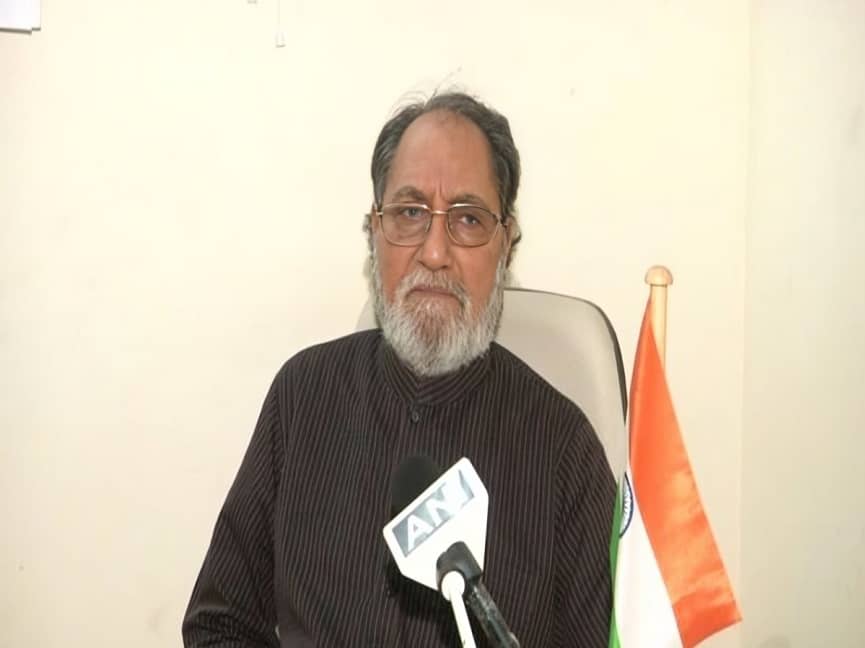
Senior Congress leader Husain Dalwai has expressed concern over reports circulating about possible defections involving members of the Aam Aadmi Party in the Rajya Sabha. While there has been no official confirmation of such developments, the remarks highlight ongoing political tensions and debates over party loyalty and democratic values.
Dalwai criticised what he described as a growing trend of political realignment driven by power considerations rather than ideological commitment. Referring to the reports, he stated that any shift of elected representatives from one party to another without following due democratic processes could undermine public trust in the political system.
He further emphasised that elected representatives are chosen by voters based on party ideology and promises. Any abrupt change in political allegiance, especially without resignation or fresh mandate, raises questions about accountability and ethical standards in public life. According to him, such actions may weaken the foundations of representative democracy.
The Bharatiya Janata Party has not issued any official statement confirming the alleged defections. Similarly, the Aam Aadmi Party has not announced any changes in its representation in the Upper House. Parliamentary procedures for defections and mergers are governed by constitutional provisions and require formal documentation and verification.
Political analysts note that claims of large scale defections often emerge during periods of heightened political activity. However, without confirmation from official sources such as the Rajya Sabha Secretariat or party leadership, such reports should be treated with caution.
Dalwai also stressed the importance of maintaining transparency in political processes. He stated that democracy depends on the trust of the electorate and adherence to established norms. Any perception of coercion or opportunism could damage the credibility of political institutions.
The issue of defections has been a recurring topic in Indian politics, leading to the introduction of anti defection laws aimed at ensuring stability in legislative bodies. These laws require elected representatives to adhere to party lines or face disqualification under certain conditions.
Observers suggest that the current situation underscores the need for greater clarity and communication from political parties and authorities. Clear and timely information can help prevent the spread of misinformation and maintain public confidence.
As of now, there is no verified confirmation regarding the alleged movement of AAP MPs to another party. Readers are advised to rely on official announcements and credible news sources for accurate updates on political developments. Senior Congress leader Husain Dalwai has expressed concern over reports circulating about possible defections involving members of the Aam Aadmi Party in the Rajya Sabha. While there has been no official confirmation of such developments, the remarks highlight ongoing political tensions and debates over party loyalty and democratic values.
Dalwai criticised what he described as a growing trend of political realignment driven by power considerations rather than ideological commitment. Referring to the reports, he stated that any shift of elected representatives from one party to another without following due democratic processes could undermine public trust in the political system.
He further emphasised that elected representatives are chosen by voters based on party ideology and promises. Any abrupt change in political allegiance, especially without resignation or fresh mandate, raises questions about accountability and ethical standards in public life. According to him, such actions may weaken the foundations of representative democracy.
The Bharatiya Janata Party has not issued any official statement confirming the alleged defections. Similarly, the Aam Aadmi Party has not announced any changes in its representation in the Upper House. Parliamentary procedures for defections and mergers are governed by constitutional provisions and require formal documentation and verification.
Political analysts note that claims of large scale defections often emerge during periods of heightened political activity. However, without confirmation from official sources such as the Rajya Sabha Secretariat or party leadership, such reports should be treated with caution.
Dalwai also stressed the importance of maintaining transparency in political processes. He stated that democracy depends on the trust of the electorate and adherence to established norms. Any perception of coercion or opportunism could damage the credibility of political institutions.
The issue of defections has been a recurring topic in Indian politics, leading to the introduction of anti defection laws aimed at ensuring stability in legislative bodies. These laws require elected representatives to adhere to party lines or face disqualification under certain conditions.
Observers suggest that the current situation underscores the need for greater clarity and communication from political parties and authorities. Clear and timely information can help prevent the spread of misinformation and maintain public confidence.
As of now, there is no verified confirmation regarding the alleged movement of AAP MPs to another party. Readers are advised to rely on official announcements and credible news sources for accurate updates on political developments.