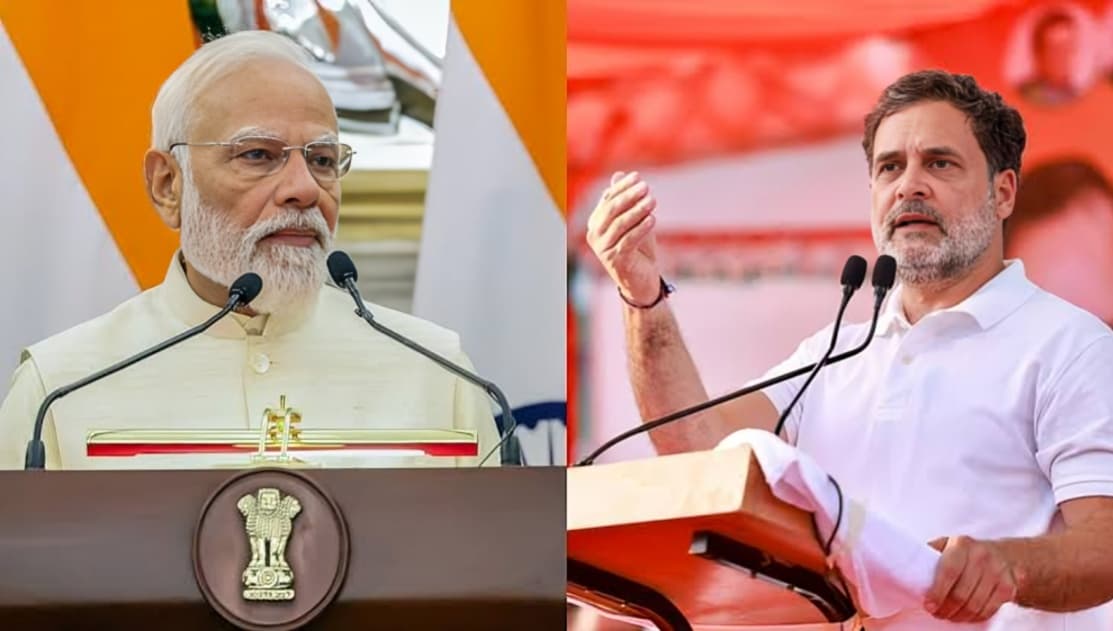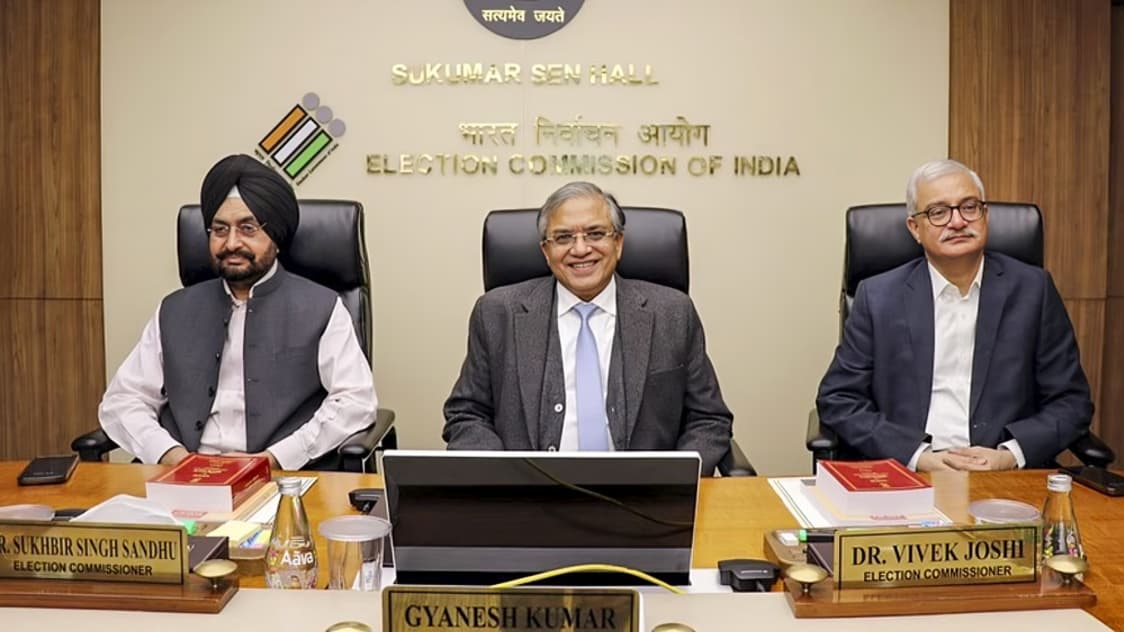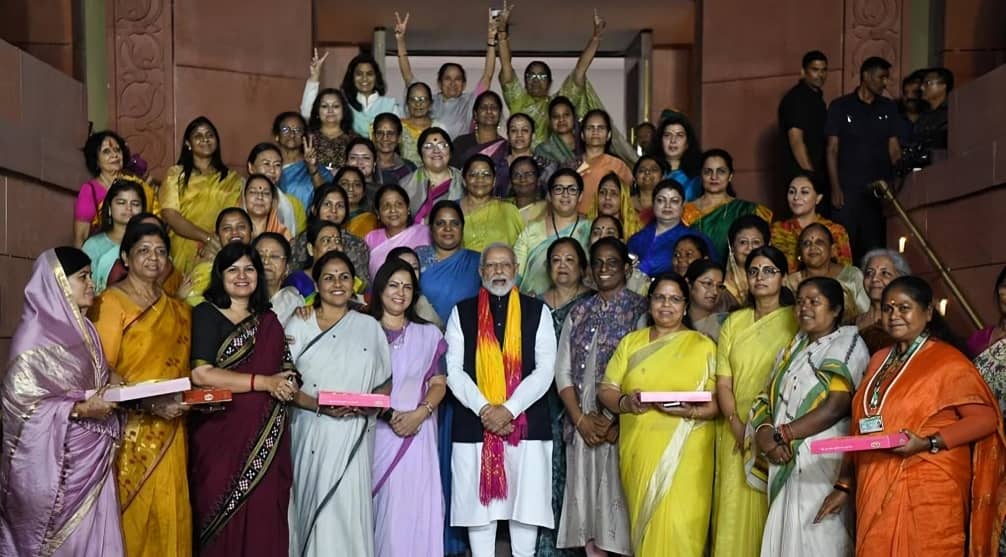
The Government of India is preparing to introduce three significant bills in Parliament that could bring major changes to the country’s electoral structure. These include the implementation of women’s reservation in legislative bodies starting from 2029 and a nationwide delimitation exercise that may redefine parliamentary and assembly constituencies.
According to official sources, the proposed women’s reservation bill aims to reserve seats for women in the Lok Sabha and state legislative assemblies. The implementation is expected to begin after the completion of the next delimitation exercise, which will redraw constituency boundaries based on updated population data. The government has indicated that this step is intended to increase women’s participation in politics and ensure greater representation in decision making bodies.
Alongside this, the delimitation bill is expected to be a key focus of discussion in Parliament. Delimitation refers to the process of redrawing the boundaries of electoral constituencies to reflect changes in population and demographic patterns. This process is crucial for maintaining balanced representation, but it has also become politically sensitive due to its potential impact on the distribution of parliamentary seats among states.
While several opposition parties have expressed support for the women’s reservation initiative, they have raised strong concerns regarding the delimitation proposal. Opposition leaders argue that changes in constituency boundaries and possible increases in the total number of seats could alter the existing federal balance and affect states differently. Some states fear they may lose political influence if seat distribution changes significantly based on population shifts.
The government, however, has maintained that both reforms are necessary for strengthening democratic representation. Officials have stated that the combination of women’s reservation and delimitation is designed to modernize the electoral system and ensure fair representation based on current demographic realities. The proposal also includes discussions around expanding the total number of seats in the Lok Sabha, which could potentially reshape the structure of Parliament to an estimated 850 seats in the future.
Political discussions in Parliament are expected to be intense, as both ruling and opposition parties debate the timing, structure, and implications of these reforms. While there is broad consensus on the importance of increasing women’s representation, the delimitation process remains a point of disagreement due to its long term political and regional implications.
Experts suggest that delimitation exercises have historically been complex in India, often involving careful negotiation between states to maintain balance in representation. The upcoming proposals are likely to require extensive consultation and consensus building before final approval.
The government is expected to table the bills in the upcoming parliamentary session, and their passage will mark one of the most significant changes to India’s electoral framework in recent years. The outcome of these discussions will have long lasting implications for the structure of Parliament, representation of women, and the federal balance between states.