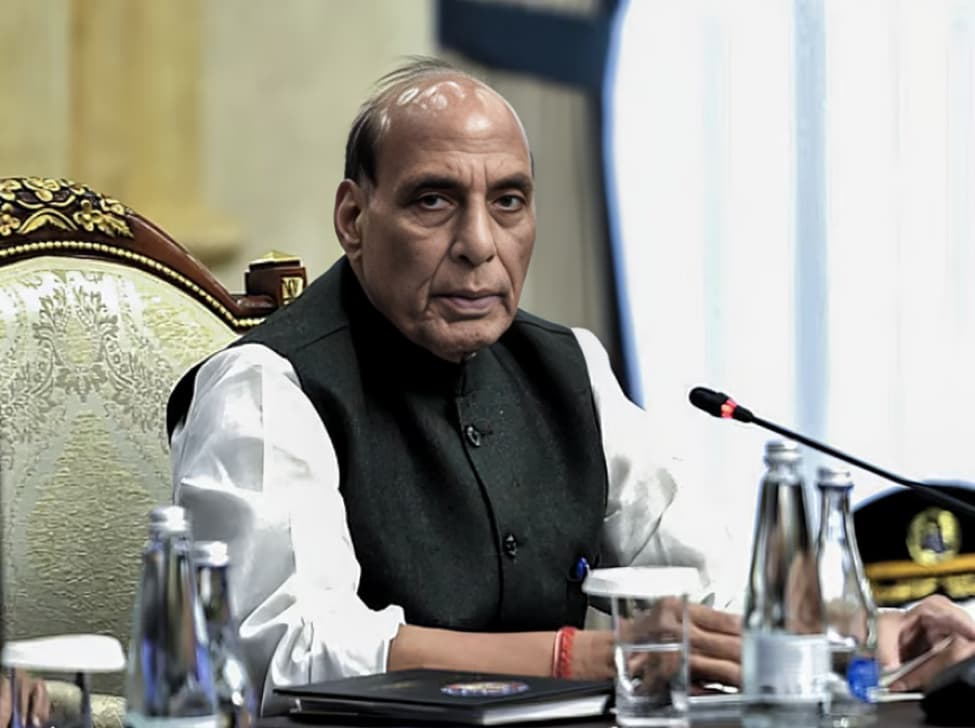
India has rejected a ruling issued by the Court of Arbitration in connection with the Indus Waters Treaty, strongly disputing the tribunal’s authority to adjudicate the matter.
The Ministry of External Affairs said India does not recognise the Court of Arbitration and described the body as illegally constituted. New Delhi maintained that the tribunal was established in violation of the provisions of the Indus Waters Treaty and therefore rejected its latest ruling.
The dispute concerns the 1960 Indus Waters Treaty, an agreement between India and Pakistan that governs the use and management of the waters of the Indus river system. The World Bank has a role under the treaty in certain dispute resolution mechanisms.
In its statement, the Ministry of External Affairs said India’s decision to place the treaty in abeyance remains in force. India has also maintained that the Court of Arbitration does not have jurisdiction to rule on sovereign decisions taken by the country.
The ministry said India has never recognised the legal existence of the tribunal and has consistently opposed its constitution. It also stated that India has not participated in proceedings before the body and has not accepted its previous pronouncements.
According to the Indian government, the tribunal’s latest ruling therefore has no effect on India’s actions concerning projects being undertaken by the country.
The statement came after the Court of Arbitration issued its own position on India’s decision to put the treaty in abeyance. The tribunal said that the grounds cited by India did not justify suspension or termination of the Indus Waters Treaty.
The tribunal consequently stated that the treaty remains fully in force and that India is required to observe its obligations under the agreement.
The opposing positions highlight a continuing legal and diplomatic disagreement between India and Pakistan over the interpretation and implementation of the treaty.
India’s decision to place the treaty in abeyance followed the Pahalgam terror attack in April 2025. New Delhi subsequently announced measures affecting its engagement under the treaty framework, citing national security concerns and the broader situation between India and Pakistan.
The Indus Waters Treaty was signed in 1960 after negotiations involving India, Pakistan and the World Bank. It allocates the waters of the western rivers, namely the Indus, Jhelum and Chenab, primarily to Pakistan, while the eastern rivers, Ravi, Beas and Sutlej, were allocated primarily to India.
The treaty also allows certain uses of the western rivers by India subject to specified conditions. Disagreements concerning the interpretation or implementation of the agreement can be addressed through mechanisms provided under the treaty.
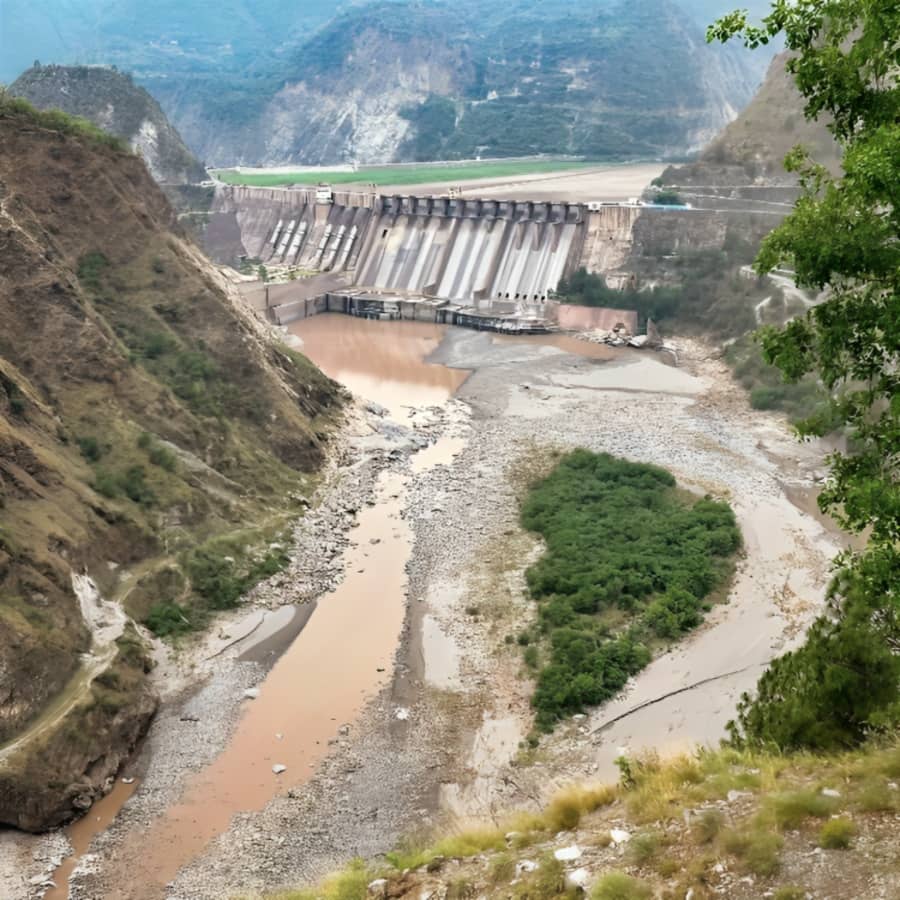
The present dispute has centred partly on hydroelectric projects being developed by India in Jammu and Kashmir. Pakistan has raised objections to aspects of certain projects, arguing that they affect the flow and use of waters covered by the treaty.
India has maintained that its projects comply with the provisions of the agreement and has challenged Pakistan’s interpretation of the treaty.
The dispute resolution framework under the Indus Waters Treaty includes different mechanisms depending on the nature of a disagreement. These mechanisms can involve the Permanent Indus Commission, a neutral expert or a Court of Arbitration.
The World Bank has a specific role in facilitating certain appointments and processes under the treaty. However, India has disputed the validity of the particular arbitral process involved in the latest ruling.
New Delhi’s position is that the tribunal was constituted in breach of the treaty and therefore lacks authority to issue decisions affecting India.
The Court of Arbitration has taken a different position, stating that the treaty continues to operate and that India’s stated reasons for placing it in abeyance do not justify suspension or termination.
The conflicting positions mean that the legal status and practical implications of the tribunal’s ruling remain a matter of dispute between the parties.
India has made clear that it does not intend to recognise the ruling or accept the tribunal’s authority. The Ministry of External Affairs said that the tribunal’s pronouncements, whether issued now or in the future, would not affect India’s actions relating to projects being undertaken by the country.
Pakistan, meanwhile, has continued to emphasise the importance of the Indus Waters Treaty and the dispute resolution mechanisms established under the agreement.
The disagreement comes against the backdrop of strained India Pakistan relations following the Pahalgam terror attack. India has taken a number of measures in response to the attack and has linked its decision concerning the water treaty to the broader security situation.
The Indus Waters Treaty has survived several periods of tension between India and Pakistan since it was signed more than six decades ago. It has generally remained an important framework for managing transboundary water resources between the two countries.
The latest dispute represents a significant challenge to that long-standing arrangement because India has announced that the treaty will remain in abeyance while the Court of Arbitration has said that the agreement remains legally operative.
For India, the central issue is not only the interpretation of the treaty but also the jurisdiction of the arbitral body. The government argues that the tribunal itself was improperly constituted and therefore cannot issue binding decisions concerning India.
For the Court of Arbitration, however, the treaty remains applicable and the reasons cited by India do not provide a legal basis for suspending or terminating its operation.
These positions are fundamentally different and reflect the broader disagreement over the treaty’s dispute settlement provisions.
The issue could have implications for future discussions concerning Indian hydroelectric projects in Jammu and Kashmir and Pakistan’s objections to them. It could also affect the broader diplomatic relationship between the two countries.
India has reiterated that its decision concerning the treaty remains in force. The government has also stated that the arbitral ruling will not influence its actions related to water projects.
The Court of Arbitration’s position, meanwhile, is that India continues to have obligations under the Indus Waters Treaty.
The latest development therefore does not represent a resolution of the dispute. Instead, it marks another stage in the continuing disagreement over the treaty, the tribunal’s jurisdiction and India’s decision to place the agreement in abeyance.
The legal and diplomatic consequences will depend on subsequent developments and the positions taken by India, Pakistan and the institutions involved in the treaty framework.
For now, India has categorically rejected the arbitration ruling, while the Court of Arbitration has maintained that the treaty remains in force. The two positions remain sharply opposed, leaving the future course of the dispute uncertain.