
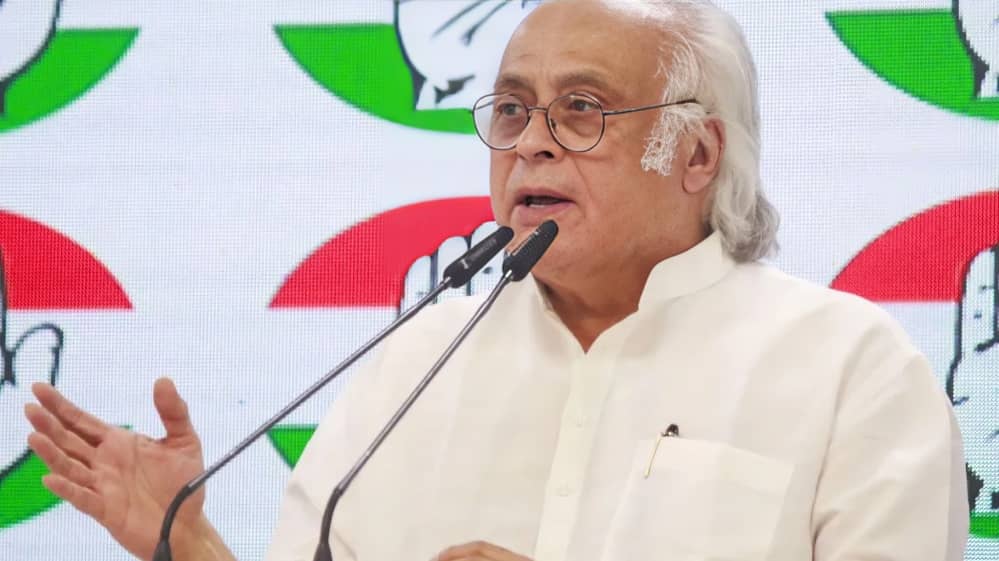
Discussions surrounding the proposed India US trade agreement continue to draw political attention as more than 36 hours have passed since key engagements without the release of a joint statement. Congress leader Jairam Ramesh on Wednesday raised concerns over the lack of clarity and transparency, urging the central government to explain the status and implications of the ongoing negotiations.
Jairam Ramesh claimed that India has reportedly made significant concessions during the trade talks, particularly related to agricultural imports. He warned that such concessions could have serious consequences for Indian farmers and rural livelihoods if not carefully assessed and debated. According to him, Parliament and the public deserve a clear explanation of what commitments are being considered and how national interests are being safeguarded.
The Congress leader stressed that agriculture remains a sensitive and vital sector for India, supporting millions of farmers and contributing significantly to the rural economy. He argued that opening up agricultural markets without adequate protection could expose domestic producers to unfair competition from heavily subsidised foreign products. Ramesh called on the government to place all relevant details in the public domain to ensure informed discussion and accountability.
In response to the criticism, the government maintained that it is fully committed to protecting India’s core interests during trade negotiations. Official sources stated that sensitive sectors such as agriculture and dairy are being handled with utmost caution. The government reiterated that no agreement would be finalised without ensuring adequate safeguards for farmers and small producers.
According to the government, trade talks with the United States are aimed at strengthening economic cooperation, expanding market access, and enhancing bilateral investment while maintaining a balanced approach. Officials said negotiations are complex and involve multiple rounds of discussions, which is why joint statements are not always issued immediately. They added that India’s negotiating position remains firm on issues that affect food security and rural livelihoods.
The absence of a joint statement has fuelled speculation about differences between the two sides on key issues, including market access, tariffs, and regulatory standards. Trade experts note that agriculture and dairy have traditionally been among the most challenging areas in India US trade negotiations due to their political and economic sensitivity.
Political observers believe the issue is likely to be raised in Parliament, with the opposition pressing for greater transparency and debate. The government, meanwhile, is expected to continue emphasising its commitment to protecting domestic interests while engaging with global partners.
As discussions progress, clarity on the contours of the proposed trade deal will be crucial for building public confidence. The outcome of the India US trade talks could have a significant impact on bilateral relations, market access, and key sectors of the Indian economy, making transparency and communication an important aspect of the process.


