
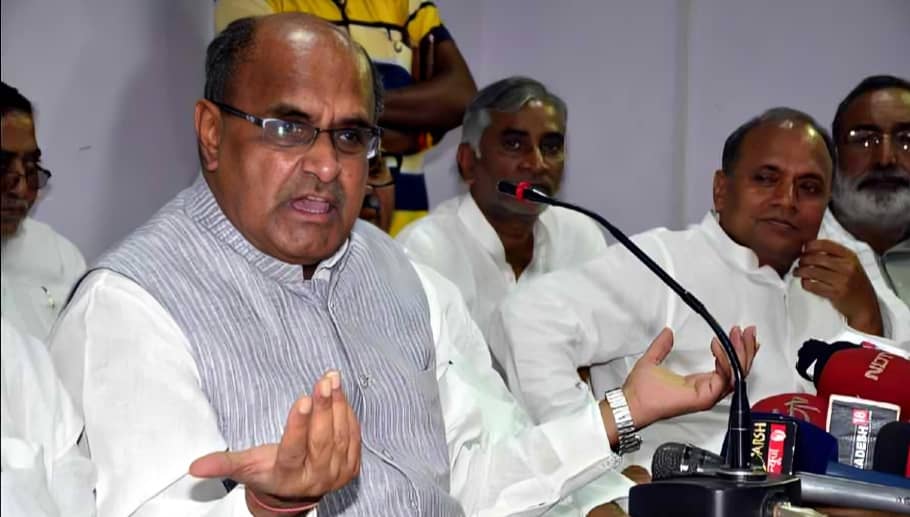

Janta Dal (United) leader KC Tyagi recently commented on Congress leader Rahul Gandhi’s claim to the ‘Jan Nayak’ title, asserting that voters have rejected the attempt. The title, which holds historical and emotional significance in Bihar, has been traditionally associated with the late Lalu Prasad Yadav, who was widely regarded as a champion of the common people. Tyagi’s remarks underline the importance of genuine leadership and the electorate’s discerning judgment in matters of political symbolism.
According to KC Tyagi, attempting to appropriate such titles without a sustained record of service risks alienating voters. He argued that Bihar’s electorate is informed and values authenticity over political theatrics. Tyagi emphasized that leadership in the state is rooted in engagement with the people, advocacy for social justice, and active involvement in addressing local issues. Simply adopting a revered title does not automatically confer credibility or political legitimacy.
The remarks come against the backdrop of ongoing political maneuvers in Bihar, where parties continue to contest both symbolic influence and actual electoral performance. Rahul Gandhi’s recent efforts to associate himself with the ‘Jan Nayak’ legacy have drawn reactions from multiple parties, with the JDU particularly vocal about the electorate’s rejection of such claims. Analysts suggest that these developments highlight the fine balance between political branding and authentic public service in regional politics.
KC Tyagi also noted that the late Lalu Prasad Yadav’s contribution to Bihar’s political and social landscape cannot be replicated merely through symbolic gestures. The electorate’s preference is for leaders who demonstrate sustained engagement with governance, development, and the welfare of marginalized communities. Tyagi suggested that while political titles carry emotional weight, they must be complemented by concrete work on the ground to resonate with voters.
Political observers point out that Bihar’s electorate has increasingly shifted toward evaluating leaders based on performance metrics rather than historical symbolism. Voter awareness campaigns, social media discourse, and civil society initiatives have collectively contributed to a more scrutinizing electorate, less likely to be swayed by symbolic claims alone. This trend is reflected in KC Tyagi’s comments, which underline the strategic importance of grassroots outreach and credibility in political leadership.
While Rahul Gandhi remains a prominent figure at the national level, his claim to regional symbolic titles has been met with skepticism. The JDU, under the leadership of Nitish Kumar, continues to position itself as a custodian of Bihar’s political traditions while simultaneously focusing on governance and development priorities. KC Tyagi’s statements reinforce this stance, highlighting the party’s commitment to authentic leadership and respect for historical legacies.
In conclusion, KC Tyagi’s remarks serve as both a critique of opportunistic political strategies and a reminder of the electorate’s decisive role in endorsing leadership. Bihar’s voters continue to value substance over symbolism, ensuring that political legitimacy stems from consistent engagement, public service, and respect for historical contributions.


