
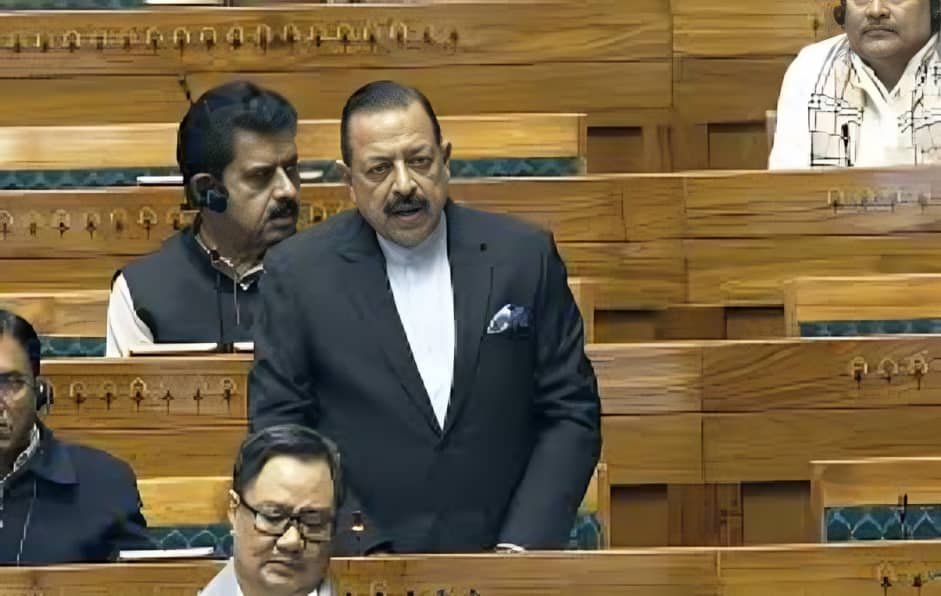
Union Minister Jitendra Singh is scheduled to introduce the Sustainable Nuclear Energy Bill in the Lok Sabha, marking a significant step in India’s efforts to strengthen its clean energy framework. The proposed legislation focuses on promoting sustainable nuclear power generation while ensuring safety, regulatory oversight, and long-term energy security.
According to parliamentary sources, the Bill seeks to modernise existing nuclear energy policies in line with technological advancements and global best practices. While presenting the Bill, Jitendra Singh urged members of Parliament to consider suitable amendments to address emerging challenges and evolving energy needs. He emphasised the importance of constructive debate to ensure that the legislation reflects national priorities and public interest.
Nuclear energy is considered a key component of India’s clean energy transition, as it provides a stable and low-carbon source of power. The proposed Bill aims to support India’s climate commitments by reducing reliance on fossil fuels and promoting sustainable energy alternatives. Officials stated that the legislation also focuses on enhancing safety standards and strengthening regulatory mechanisms governing nuclear facilities.
The Bill is expected to outline provisions related to nuclear fuel management, waste disposal, and the adoption of advanced reactor technologies. It may also encourage research and development in the nuclear sector, fostering innovation and efficiency. Experts believe that such measures could help India expand its nuclear capacity while maintaining high safety benchmarks.
During the introduction of the Bill, the minister highlighted the need for cooperation between policymakers, scientists, and industry stakeholders. He noted that nuclear energy plays a crucial role in ensuring energy stability, especially as renewable sources like solar and wind remain dependent on weather conditions. A balanced energy mix, including nuclear power, is seen as essential for meeting growing electricity demand.
Opposition members are expected to examine the proposed provisions closely and suggest amendments where necessary. Parliamentary discussions are likely to focus on safety concerns, environmental impact, and public accountability. The legislative process will involve scrutiny by relevant committees before the Bill is taken up for detailed debate and voting.
Government officials said the Sustainable Nuclear Energy Bill aligns with India’s long-term vision of achieving energy independence and reducing carbon emissions. The legislation is also expected to improve transparency and strengthen public confidence in nuclear power projects.
Once passed, the Bill could pave the way for policy reforms that support the expansion of nuclear energy infrastructure across the country. Observers note that the outcome of parliamentary deliberations will play a crucial role in shaping India’s future energy landscape.


