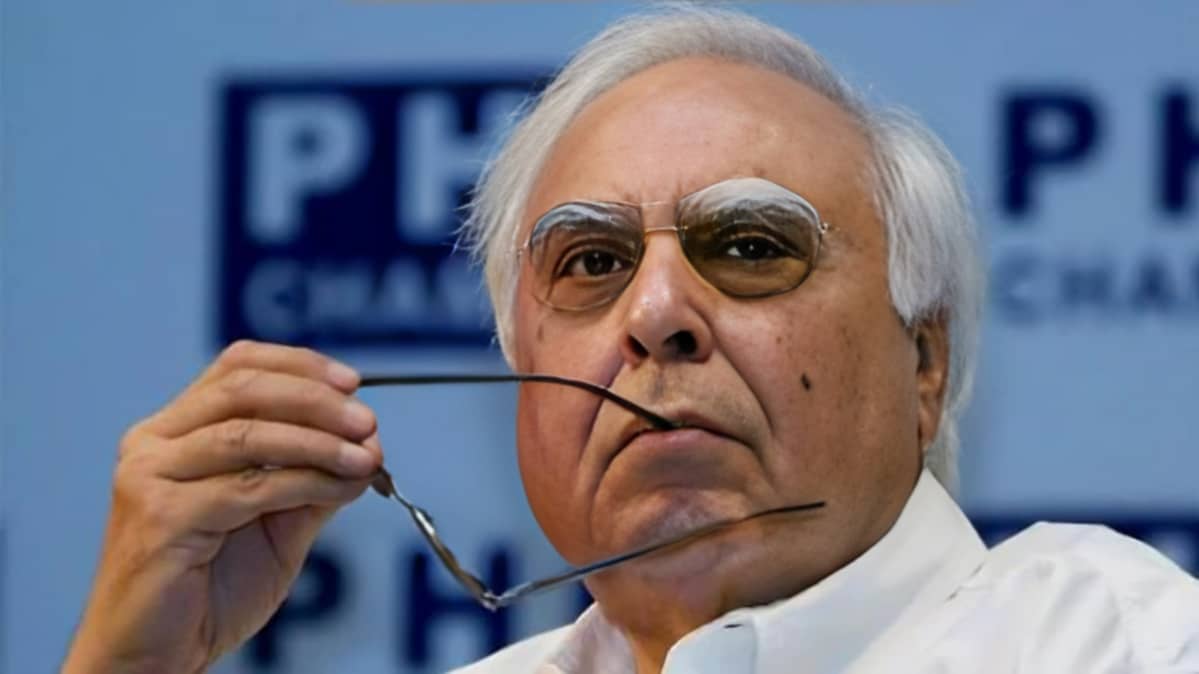
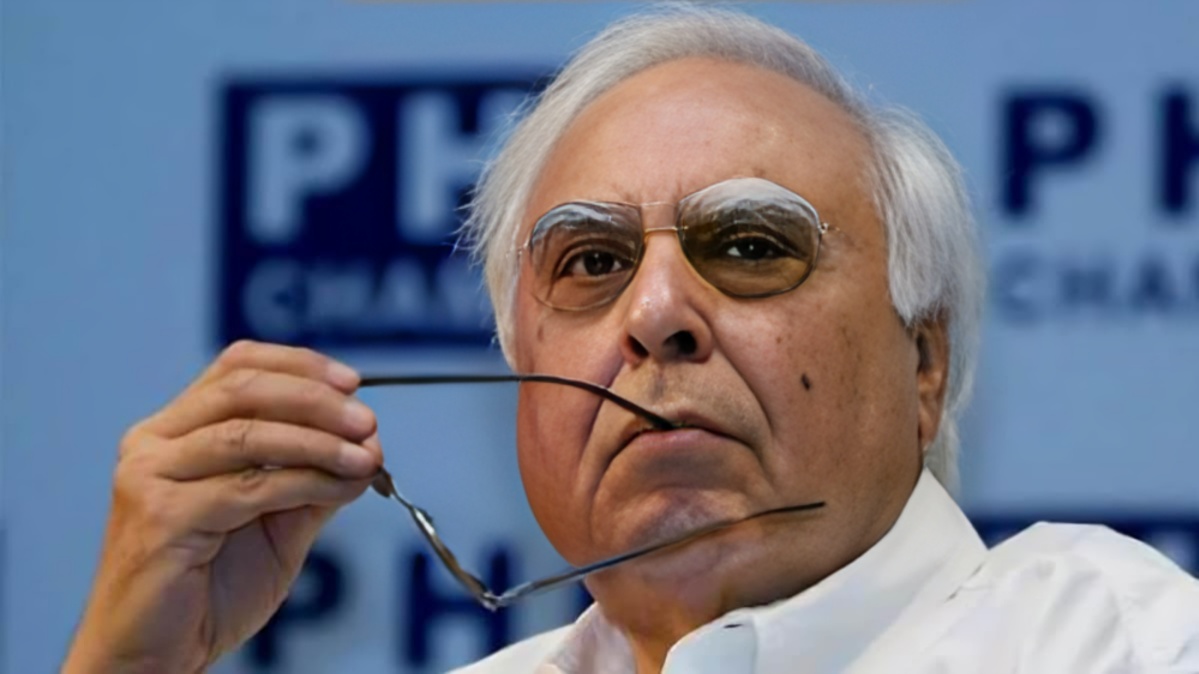
Rajya Sabha MP Kapil Sibal has raised serious concerns over the Election Commission’s Special Intensive Revision of electoral rolls, alleging that the exercise could be misused to influence voter lists ahead of upcoming elections.
Sibal made the remarks after a report concerning the ongoing SIR process in Jharkhand’s Godda district. According to an investigation published by The Indian Express, BJP Booth Level Agents submitted Form 7 applications seeking the deletion of several names from the electoral roll. The report said that many of the voters whose names were targeted belonged to the minority community.
Sibal described the reported developments as a matter of concern for the electoral process. In a statement shared on social media, he alleged that the SIR exercise was intended to manipulate voter lists and claimed that such changes could benefit the Bharatiya Janata Party in upcoming elections. He also called on the Supreme Court to intervene to prevent what he described as bulk and targeted deletions.
The controversy has gained attention because the electoral roll is a fundamental part of the democratic process. A voter whose name is not present on the electoral roll may face difficulties in exercising the right to vote. For this reason, political parties and civil society groups have been closely monitoring the SIR exercise and raising questions about the procedure used to add, retain or delete names.
The issue in Jharkhand centres on Form 7, which is an official mechanism for requesting deletion of a name from an electoral roll. The Election Commission provides Form 7 for objections or requests involving circumstances such as a voter being deceased, permanently shifted, registered more than once or otherwise not eligible to remain on a particular electoral roll.
The Indian Express reported that in several booths in Godda, Booth Level Officers raised objections to bulk Form 7 applications submitted by BJP Booth Level Agents. In one instance, an agent reportedly brought dozens of forms to a Booth Level Officer and later burned them after questions were raised about the applications. The report also said that some voters whose names were targeted had lived in the area for generations and had appeared in earlier electoral rolls.
The report has resulted in a political dispute between opposition parties, BJP representatives and election officials. Opposition leaders have alleged that the process could disproportionately affect minority voters. Congress leaders have also criticised the Election Commission over the wider SIR exercise and have used the political expression Vote Chori Aayog while questioning the transparency of the process.
However, allegations made by political parties have not been established as a finding that the Election Commission itself is deliberately removing voters to benefit any particular political party. The Election Commission’s official voter services portal states that SIR is being conducted as part of the electoral roll revision process. The portal also provides facilities for voters to search their names, submit forms and raise claims or objections.
The Jharkhand Chief Electoral Officer, according to The Indian Express report, said that Form 7 objections can be submitted in bulk and that there was no illegality merely because several applications were submitted together. The officer also said that Booth Level Officers should follow the prescribed process rather than independently rejecting applications. Officials indicated that verification would be carried out before decisions were taken on deletion requests.
The BJP has also defended the role of its Booth Level Agents in the revision process. BJP representatives said that raising objections to voter entries is part of the responsibilities of political party-appointed Booth Level Agents. They argued that election officials are responsible for verifying whether the objections are valid.
The wider SIR process has already resulted in substantial changes to electoral rolls in several states. The Election Commission has said that the revision is intended to ensure that electoral rolls contain eligible voters and exclude entries involving deceased, shifted, duplicate or otherwise ineligible persons. The process also includes opportunities for citizens to raise claims and objections when they believe their names have been wrongly excluded.
The Election Commission’s SIR programme is being conducted in phases across the country. According to a government release concerning the third phase, the process involves Booth Level Officers conducting house-to-house enumeration with assistance from Booth Level Agents appointed by political parties.
The controversy surrounding the process has now reached a politically sensitive stage, particularly because several states are preparing for future elections. Opposition parties have demanded stronger safeguards to ensure that eligible voters are not removed from electoral rolls without adequate verification.
Sibal’s demand for Supreme Court intervention reflects the broader opposition concern that voter deletions should be subjected to strict scrutiny. His allegations have added to the political debate over the transparency, accountability and implementation of the SIR process.
At the same time, the legal and administrative process allows voters to challenge incorrect deletions. The Election Commission’s voter services platform provides facilities for checking electoral roll status and submitting applications and objections. Voters who believe their names have been wrongly removed can use the prescribed procedures to seek correction or inclusion.
The central issue in the controversy is therefore not simply the number of names removed from electoral rolls, but whether every deletion is supported by proper verification and whether eligible voters have an effective opportunity to challenge an incorrect decision.
As the SIR process continues, scrutiny from political parties, election officials, courts and voters is expected to remain high. Ensuring that electoral rolls are accurate while protecting the voting rights of eligible citizens will remain a key concern ahead of the upcoming elections.