
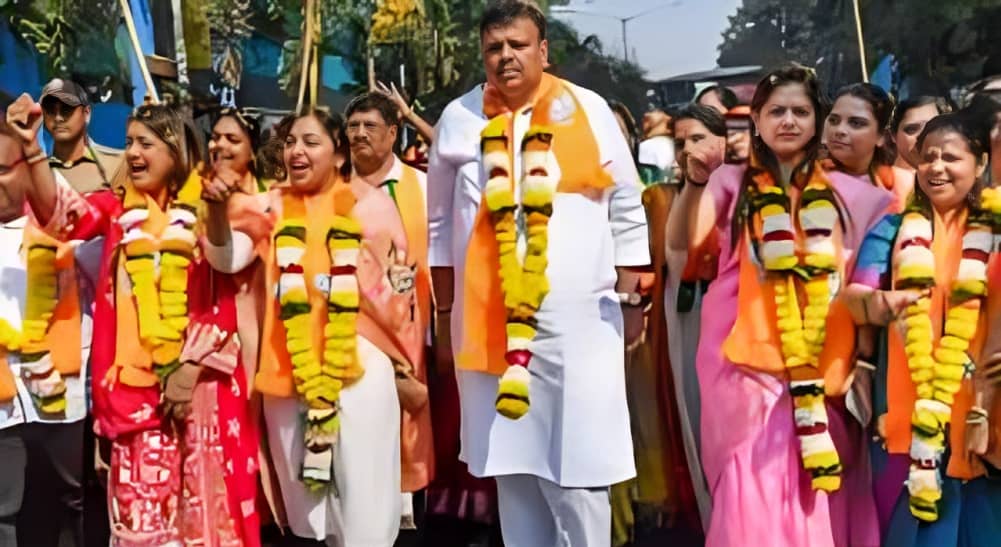
The nomination phase for Maharashtra’s upcoming civic body elections concluded amid widespread unrest within political parties, revealing deep internal disagreements over ticket allocation. As the deadline for filing nominations ended on Tuesday, multiple cities across the state reported protests, emotional confrontations, and visible discontent among party workers and aspiring candidates.
In Nashik, scenes of chaos unfolded as disgruntled aspirants reportedly chased party officials carrying nomination documents, popularly referred to as AB forms. Supporters gathered outside party offices, demanding reconsideration of ticket decisions. The protests reflected frustration among grassroots workers who felt sidelined during the candidate selection process.
Nagpur also witnessed tense moments, with emotional scenes reported at political offices and public spaces. Party workers staged demonstrations, expressing anger over last-minute changes in candidate lists. In some instances, protests turned dramatic, drawing public attention and highlighting the intensity of internal dissatisfaction within parties contesting the elections.
Mumbai and other major cities across Maharashtra saw similar trends. Several aspirants, unhappy with alliance seat-sharing arrangements, chose to contest as independent candidates. The internal disagreements underscored the challenges faced by political alliances in balancing coalition partners’ interests while accommodating local leaders.
Political observers noted that local body elections often trigger intense competition within parties, as civic posts are closely linked to grassroots influence and regional power structures. The high number of aspirants and limited seats intensified internal rivalries, leading to public expressions of dissent.
Despite the unrest, party leaderships attempted to manage the situation by holding discussions with aggrieved members and appealing for unity. However, the visible protests raised questions about organisational discipline and coordination, particularly as parties prepare for campaigning.
Election officials confirmed that the nomination process concluded as scheduled, and scrutiny of nominations will follow as per the election timetable. Authorities have also assured that law and order arrangements were in place to manage any disturbances related to the electoral process.
As campaigning begins, the internal tensions witnessed during the nomination phase are expected to influence party strategies. Analysts believe that how parties address dissent and manage rebel candidates will play a key role in shaping electoral outcomes in several municipal corporations and local councils across Maharashtra.


