
ccmeeting between the minister and students who have been staging a hunger strike over their demands concerning education and welfare. According to reports, the students had completed around 14 days of their hunger strike when the minister met them in an attempt to persuade them to end the agitation.
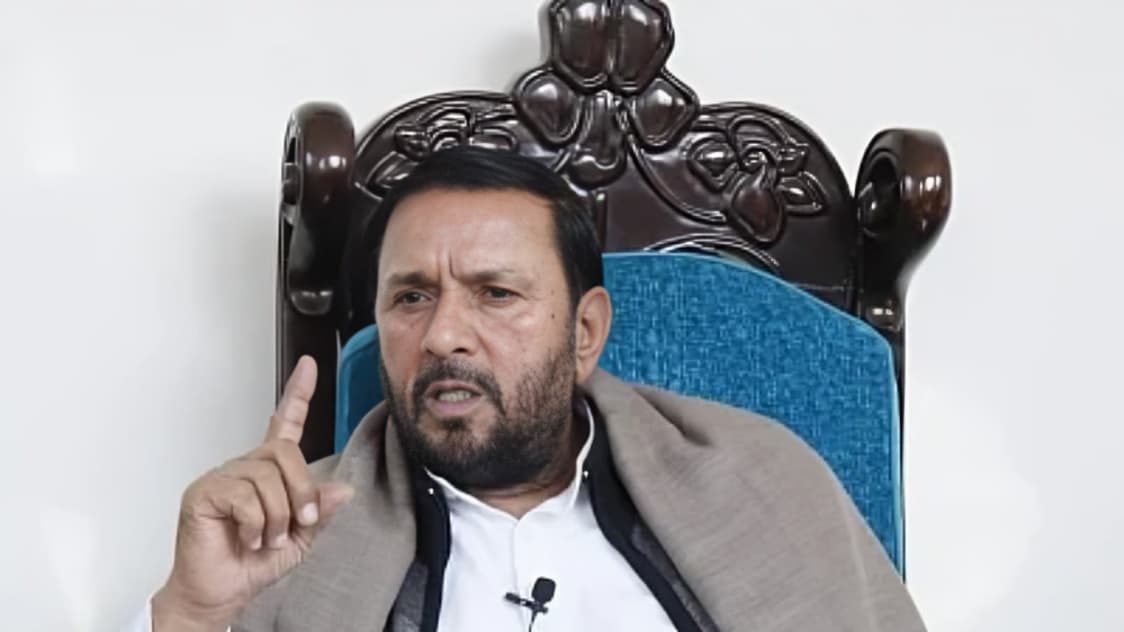
Zirwal reportedly told the protesting students that they should continue their agitation but also consume food and water. He referred to his own experience of participating in protests and said that he had also secretly eaten while observing a fast during earlier agitations. His comments subsequently became a subject of political criticism.
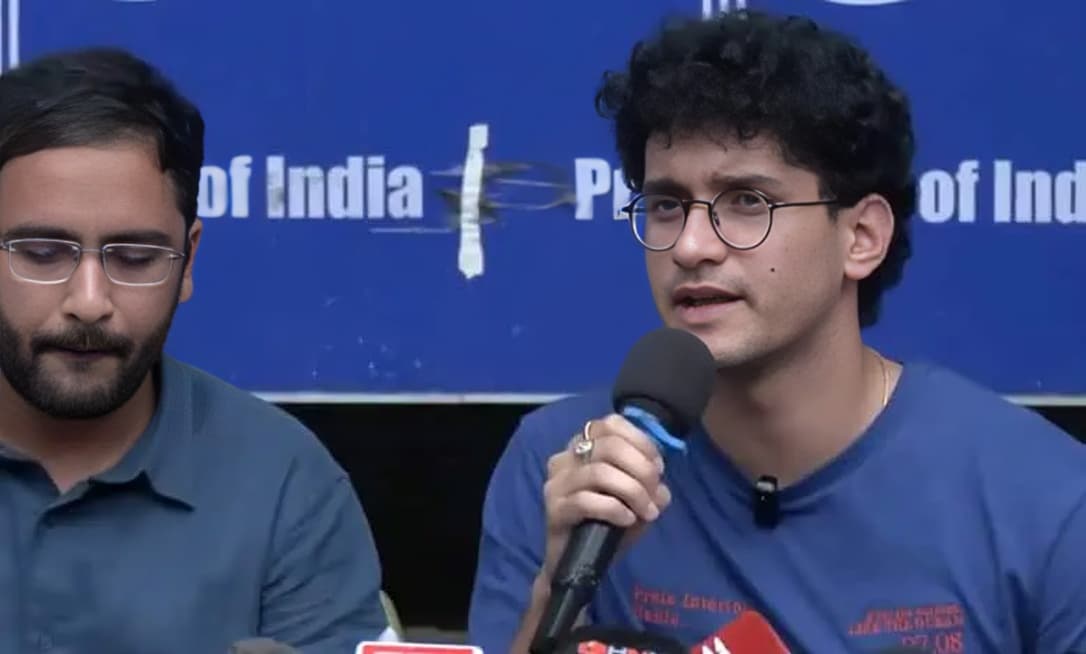
The students reportedly expressed dissatisfaction with the minister’s remarks. They questioned the seriousness with which their protest and demands were being treated and maintained that they were prepared to continue their hunger strike.
The meeting was part of efforts by Maharashtra government representatives to persuade the students to withdraw their protest. Tribal Development Minister Ashok Uike also met a delegation of students as part of the government’s efforts to address the situation. Reports said the discussions did not result in the students immediately calling off their agitation.
The students have been raising concerns related to education and welfare provisions for the tribal community. Their continuing protest has attracted increasing political attention, with opposition parties expressing support for the students and criticising the state government’s handling of the issue.
Opposition leaders have described the minister’s reported remarks as inappropriate and insensitive. They argued that students who had been maintaining a prolonged hunger strike should have their concerns addressed seriously rather than being advised to continue the protest while secretly eating.
The controversy has also highlighted the broader issue of tribal students’ educational and welfare concerns in Maharashtra. Opposition parties have pointed to issues such as education facilities, scholarships and other support systems affecting students from tribal communities.
The students, however, have continued to maintain that their demands must be addressed before they withdraw their protest. Reports indicate that they have warned of intensifying the agitation if there is no satisfactory response from the government.
The dispute has now developed into both an administrative and political issue. The government faces pressure to engage with the students and find a solution to their demands, while opposition parties are using the minister’s remarks to question the government’s approach to tribal welfare.
The controversy surrounding Zirwal’s comments has attracted particular attention because hunger strikes are traditionally used by protesters to demonstrate the seriousness of their demands. For students who have continued fasting for several days, the decision to maintain the protest can carry significant physical and personal consequences.
At the same time, prolonged fasting can create health concerns. Any discussion surrounding students continuing a hunger strike therefore involves not only their political demands but also questions relating to their health and safety. Government representatives and organisers may need to ensure that appropriate medical attention is available to participants.
The reported remarks by Zirwal have also generated discussion about how elected representatives should communicate with students during protests. Meetings between government representatives and protesters are generally intended to create an opportunity for dialogue and negotiation. In this case, however, the minister’s reported comments became a separate point of controversy.
The students’ reaction indicates that they were seeking concrete assurances from the government rather than only verbal appeals to end their protest. According to reports from the meeting, the students wanted a formal decision or written assurance regarding their demands. The meeting ultimately failed to convince them to withdraw the agitation.
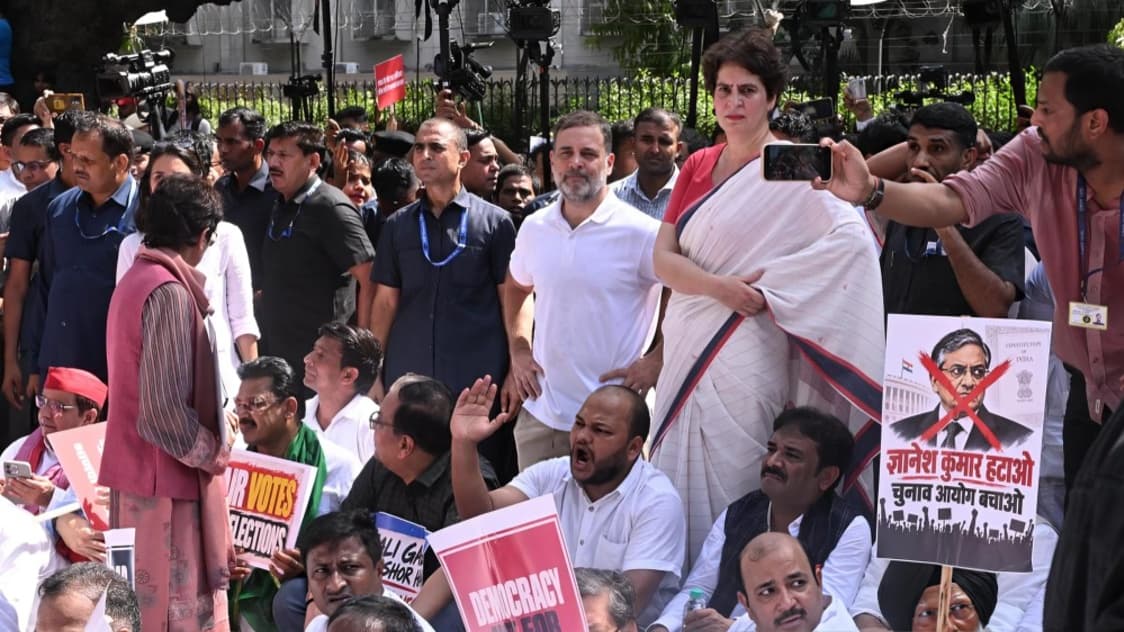
The political response has continued to grow. Opposition parties have rallied behind the protesting students, while the government has been under pressure to respond to their grievances. The involvement of senior political leaders has increased attention on the protest and its underlying demands.
The controversy also comes amid a wider debate over the educational opportunities and welfare support available to tribal communities. Access to quality education, scholarships, hostel facilities and other forms of institutional support can have a significant impact on students from disadvantaged backgrounds.
For the government, resolving the current protest will require addressing the specific demands raised by the students and maintaining dialogue with their representatives. A long-term solution could also require reviewing existing welfare programmes and identifying gaps in their implementation.
For the protesting students, continuing the hunger strike represents a way of putting pressure on the government to respond to their demands. They have indicated that they are not prepared to end the agitation without meaningful assurances.
The controversy surrounding Narhari Zirwal’s comments has therefore shifted attention from the original demands to the conduct of the government’s response. While the minister reportedly intended to persuade the students to protect their health while continuing their protest, the comments were interpreted differently by the protesters and opposition leaders.
The incident has also underlined the importance of clear communication during negotiations between governments and protest groups. When students are involved in a prolonged agitation, officials are expected to balance dialogue over policy demands with concern for their health and safety.
As of the latest reports, the tribal students have continued their hunger strike and indicated that they could intensify their protest if their demands are not addressed.
The Maharashtra government’s next response will be closely watched, particularly regarding whether it can reach an agreement with the students and provide concrete assurances on their education and welfare demands.
The episode has become a significant political issue in Maharashtra, with the opposition criticising the government and supporting the protesting tribal students. Meanwhile, government representatives continue to face the task of resolving the underlying issues and bringing the agitation to an end.
For now, the students remain firm on their position, while the controversy over Minister Narhari Zirwal’s reported remarks continues to attract political and public attention.