
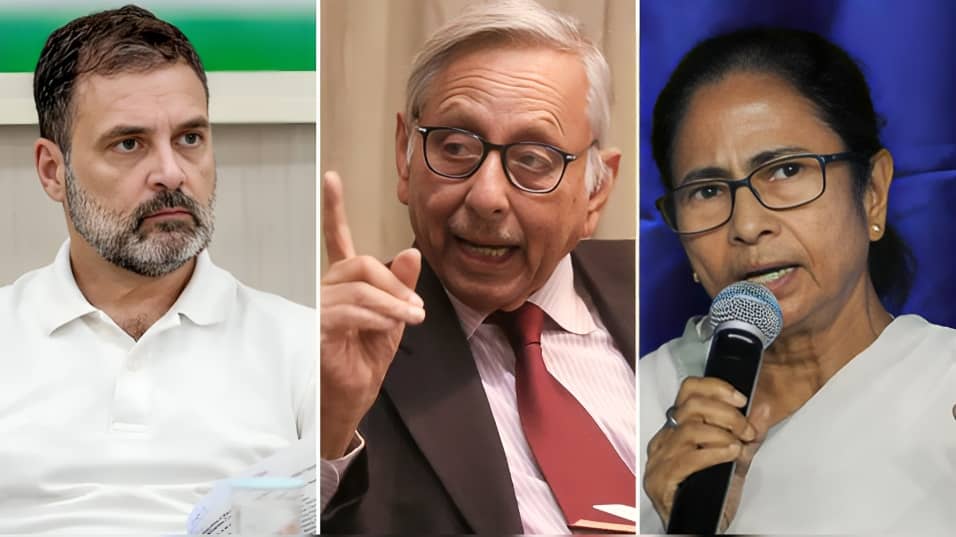
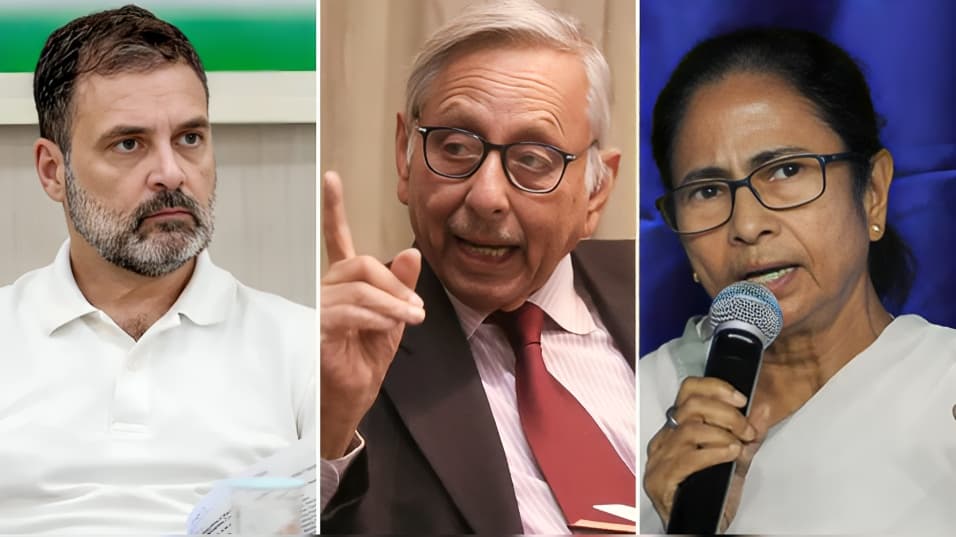
Veteran Congress leader Mani Shankar Aiyar has said that West Bengal Chief Minister Mamata Banerjee plays a crucial role in the future of the opposition INDIA bloc. Speaking to Indo Asian News Service, Aiyar advised Congress leader Rahul Gandhi to allow regional party leaders to take the lead in steering the alliance.
Aiyar stated that without Mamata Banerjee’s presence, the INDIA bloc would face significant challenges. He described her as a central figure within the alliance and suggested that leadership responsibilities should be entrusted to heads of regional parties. According to him, leaders such as M. K. Stalin, Mamata Banerjee, Akhilesh Yadav, and Tejashwi Yadav represent key stakeholders in the coalition framework.
His remarks come at a time when discussions around leadership and coordination within the opposition alliance continue ahead of upcoming elections in several states. The INDIA bloc, formed as a coalition of opposition parties, seeks to present a united front against the ruling alliance at the national level. Internal coordination and clarity on leadership roles have been topics of ongoing debate among political observers.
Aiyar also reflected on his past political association with the All India Trinamool Congress. He said that in 1997, he briefly joined the party and served as its first National Secretary but left within weeks after concluding that its political orientation was primarily rooted in regional identity. He clarified that despite those past developments, he continues to consider himself a member of the Congress party.
When asked about his current status within the Congress, Aiyar stated that he remains associated with the party but acknowledged that disciplinary action could be taken in response to his public comments. The Congress leadership has not issued an official statement regarding his remarks at the time of reporting.
Political analysts note that public statements from senior leaders often influence internal discussions within alliances. The INDIA bloc comprises multiple regional and national parties, each with its own leadership structure and political priorities. Ensuring coordination among these entities remains a key challenge as elections approach.
The remarks have sparked debate within political circles about the structure and future direction of the opposition coalition. While some view Aiyar’s comments as a call for inclusive leadership, others consider them part of ongoing internal discussions about alliance strategy.
As developments continue, attention will remain on how the Congress and its allies address questions surrounding leadership and coordination within the INDIA bloc.


