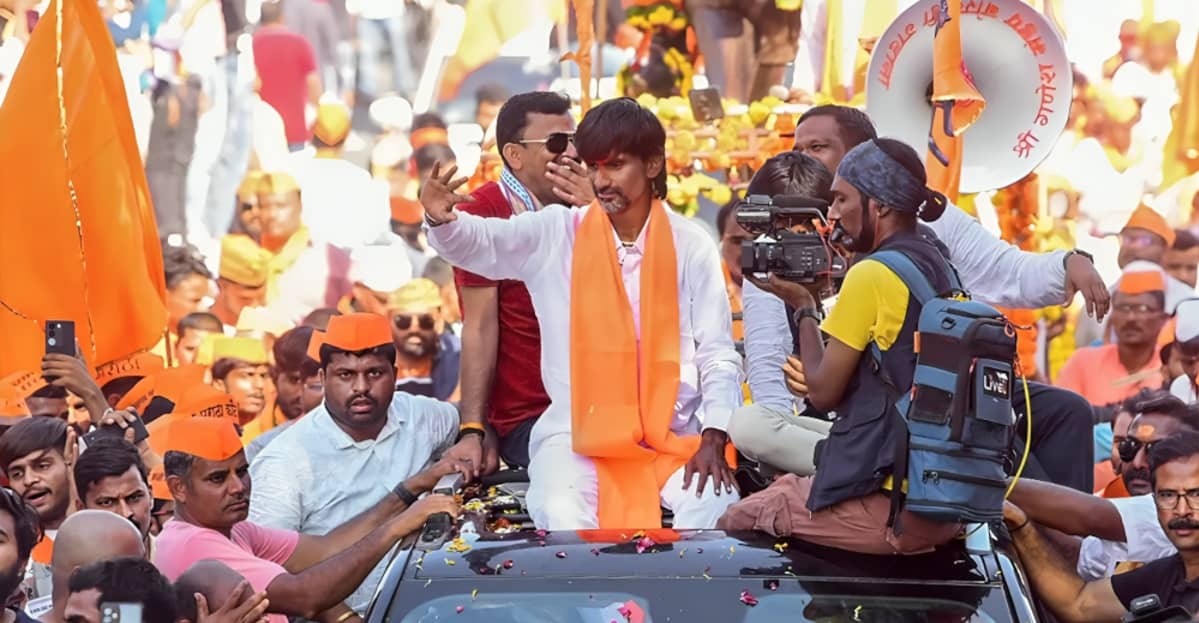
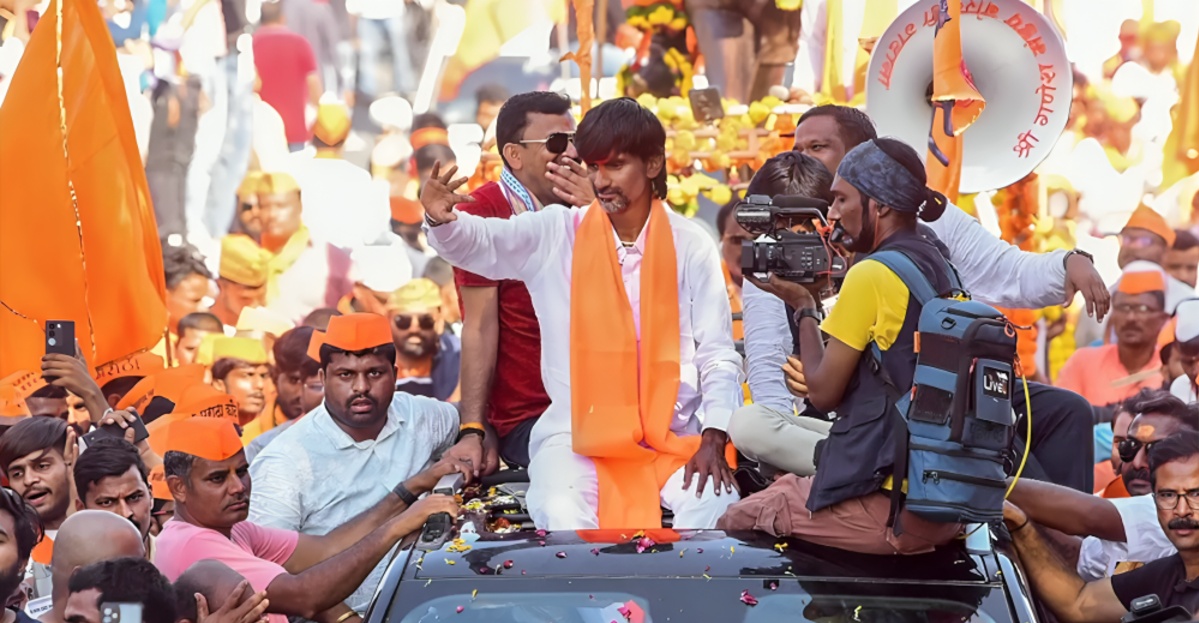
Maratha reservation activist Manoj Jarange Patil's indefinite hunger strike entered its fifth day on Wednesday, September 2, 2026, as supporters continued demonstrations in different parts of Maharashtra. The agitation has renewed political pressure on the Maharashtra government over demands concerning Maratha reservation and the recognition of eligible members of the community as Kunbis.
Jarange has been leading the latest phase of the agitation from Antarwali Sarati in Jalna district. His principal demand is that eligible Marathas with the required documentary evidence should be recognised under the Maratha-Kunbi and Kunbi-Maratha framework and receive Kunbi caste certificates. Such certificates are linked to access to benefits available under the Other Backward Classes category.
The latest hunger strike began on August 29 and has continued despite efforts by the state government to engage with Jarange. The activist has maintained that government assurances and draft proposals are not sufficient and has sought concrete action on his demands.
The protest has also begun to affect road traffic in parts of Maharashtra. On Wednesday, Maratha protesters blocked the Dhule-Solapur National Highway at Wadigodri in support of Jarange's hunger strike. Protesters reportedly sat on the road, resulting in traffic disruption and queues of vehicles. Police personnel were deployed at the location to maintain law and order and manage the situation.
The widening protests have increased attention on the government's handling of the Maratha reservation issue. Supporters of Jarange argue that the government should implement measures that would enable eligible members of the Maratha community to obtain Kunbi certificates based on historical records and other evidence.
Jarange has also warned that the agitation could expand to Mumbai. He has indicated September 12 as an important deadline for the government to take action on the demands. If a satisfactory resolution is not reached, his supporters could move towards Mumbai, potentially creating a larger mobilisation in the state.
The Maharashtra government, meanwhile, has maintained that it is prepared to consider demands that are constitutionally and legally valid. Chief Minister Devendra Fadnavis has indicated that the government is willing to discuss the issue while stressing the importance of ensuring that any decision complies with legal and constitutional requirements.
The disagreement between the government and Jarange centres on the implementation of the reservation-related demands. Jarange has sought recognition of eligible Marathas as Kunbis and the issuance of certificates based on historical documentation. The government has been examining the relevant records and administrative procedures while also considering the legal implications of any decision.
The issue has a long history in Maharashtra politics. Maratha reservation has been a major social and political issue in the state for several years, with repeated protests demanding greater access to reservation benefits in education and government employment.
The Kunbi certificate demand is particularly important because Kunbis are included within the OBC framework. Jarange's position is that Marathas who can establish their historical Kunbi links through valid records should be able to receive the relevant certificates after verification.
The state government's approach has focused on documentation, verification and legal procedures. Officials have reportedly prepared material outlining steps taken on the demands and have attempted to communicate the government's position to the protest leadership.
However, Jarange has remained dissatisfied with the government's response. Reports indicate that he has rejected a draft response and has insisted on an official government resolution rather than assurances or preliminary documents.
The continuing fast has also raised concerns about Jarange's health. As the protest enters another day, pressure is increasing on both the protest leadership and the state administration to find a way forward.
The spread of demonstrations has created additional law and order and traffic management challenges for authorities. Road blockades, particularly on major highways, can affect commuters, transport operators and emergency movement. Police deployment has therefore increased at some protest locations.
At the same time, the government faces the challenge of balancing the demands of the protesting community with constitutional and legal limitations surrounding reservation policy. Any decision on caste certificates and OBC status has to follow the applicable administrative and legal framework.
The September 12 deadline has become a significant point in the current agitation. Jarange has warned that the movement could reach Mumbai if the government fails to provide a satisfactory response. Such a mobilisation could result in further traffic restrictions and increased political attention.
The state administration is therefore expected to continue discussions and assess the demands raised by Jarange and his supporters. The government has indicated that it is willing to consider legally valid demands, while the protest leadership continues to seek immediate implementation of its position.
For the Maratha community, the central issue remains access to reservation-related benefits and the recognition of eligible individuals under the Kunbi framework. For the government, the challenge is to address the demand while ensuring that any administrative action is legally sustainable.
The current agitation is being closely watched across Maharashtra because of its potential impact on public transport, political activity and social relations. The protests also come ahead of the September 12 deadline announced by Jarange.
As the hunger strike continues, further discussions between the Maharashtra government and protest representatives are expected. The immediate focus will be on whether the two sides can reach an agreement before the proposed escalation towards Mumbai.
For now, Jarange remains on hunger strike, while supporters continue to organise demonstrations across the state. The Dhule-Solapur highway blockade demonstrates that the movement has already begun to create local disruptions, while the possibility of a larger mobilisation in Mumbai remains a major concern for authorities.
The next few days are likely to be important in determining the direction of the Maratha reservation agitation. Any decision by the state government on the demands, as well as the response from Jarange and his supporters, could determine whether the protests are reduced or expand further across Maharashtra.