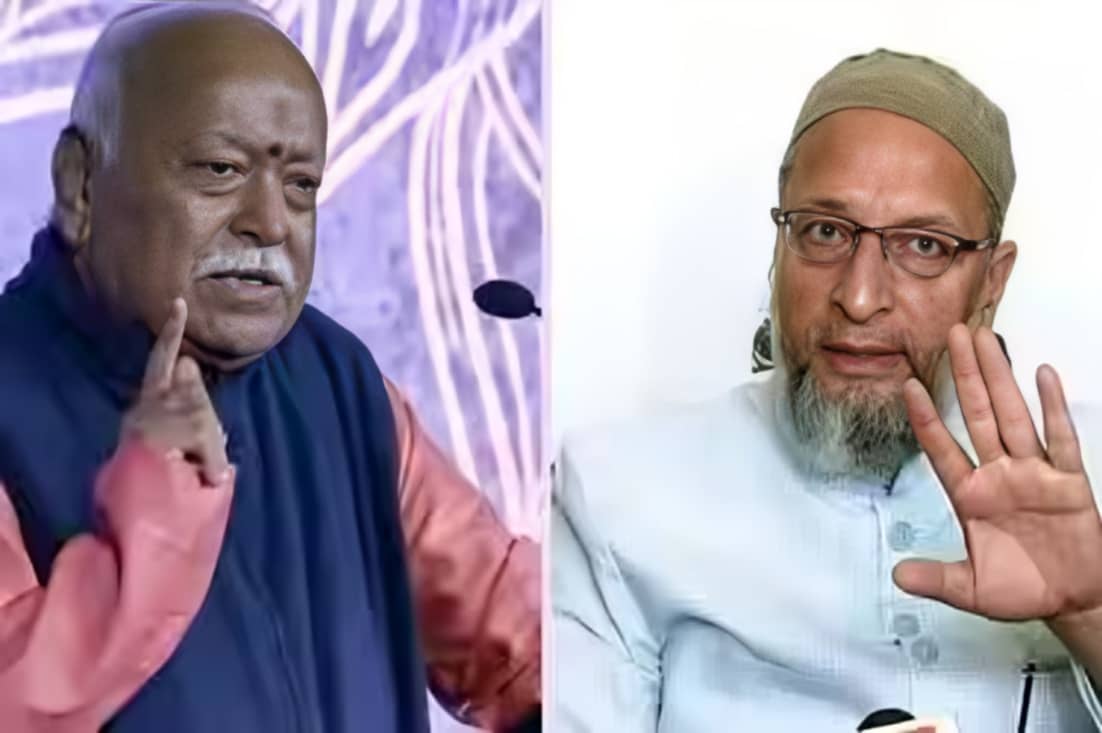
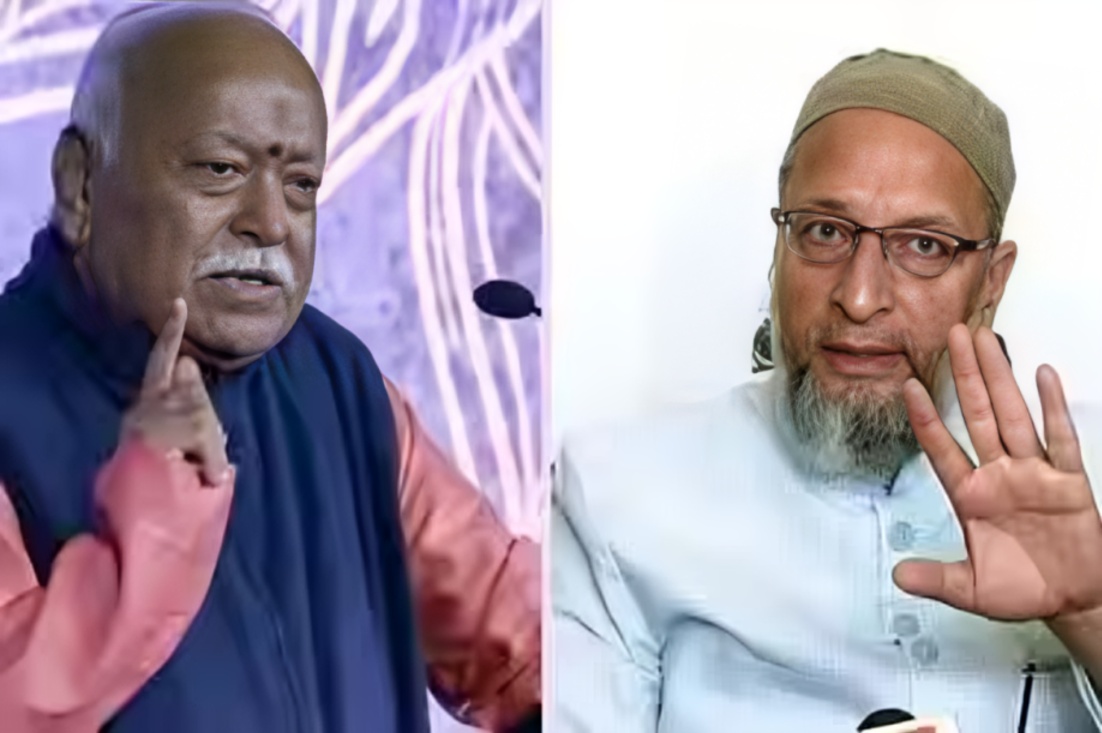
Rashtriya Swayamsevak Sangh chief Mohan Bhagwat has recalled the 1996 Charkhi Dadri mid air collision in Haryana while discussing the importance of humanity, social harmony and selfless service. Nearly three decades after the disaster, Bhagwat referred to the incident as an example of people helping others during a tragedy without making religious identity the basis for humanitarian assistance.
The Charkhi Dadri disaster took place on November 12, 1996, when Saudi Arabian Airlines Flight 763 and Kazakhstan Airlines Flight 1907 collided in mid air over Haryana. The collision resulted in the deaths of all 349 people aboard the two aircraft and remains one of the deadliest aviation accidents in history.
Saudi Arabian Airlines Flight 763 was operating from Delhi towards Jeddah, while Kazakhstan Airlines Flight 1907 was travelling towards Delhi. The two aircraft collided over the area near Charkhi Dadri, scattering wreckage across agricultural land. The scale of the accident created a major emergency response involving local authorities, emergency personnel and volunteers.
Many passengers on the Saudi Arabian Airlines flight were Haj pilgrims travelling to Saudi Arabia. This became an important part of the context when Bhagwat later recalled the relief work carried out at the crash site. According to Bhagwat's account, RSS volunteers participated in relief activities and assisted people affected by the tragedy.
Bhagwat recalled the incident during his recent visit to the United States, where he spoke about the RSS's approach to social service and the broader idea of unity among people. He said that volunteers involved in the relief effort did not initially focus on whether the victims were Hindu or Muslim. Instead, their immediate concern was to assist people affected by the disaster.
His recollection came in the context of a wider message about religious coexistence and human dignity. During his New York remarks, Bhagwat argued that India's social and cultural traditions should be understood through the principle of the unity of humanity. He also said that religious differences should not prevent people from recognising a shared human identity.
The reference to the Charkhi Dadri crash was therefore not only about the aviation disaster itself. Bhagwat used the historical incident to illustrate his argument that humanitarian service can bring people together during moments of extreme suffering. His remarks focused on the actions of volunteers at a time when families were searching for information about relatives and authorities were dealing with a large number of casualties.
The 1996 crash was particularly challenging because of the scale of the destruction. Both aircraft were destroyed after the collision, and recovery operations had to be conducted across a large area. Identification of victims and the handling of remains became major tasks for authorities and those assisting at the site.
The tragedy also led to important changes in aviation safety. Following the accident, India's aviation authorities introduced requirements concerning airborne collision avoidance systems for aircraft operating in Indian airspace. The disaster became an important reference point in discussions about air traffic separation and communication between aircraft and ground controllers.
For Bhagwat, however, the lasting significance of the incident lies in the humanitarian response. His account emphasised that the volunteers who reached the crash site were responding to a disaster involving people from different backgrounds. The reference was intended to support his broader argument that social service should not be restricted by religious identity.
Bhagwat has made similar arguments about the relationship between Hindu thought and social unity during his current international outreach. In New York, he said that a person who believes Muslims should not have a place in India cannot claim to represent the inclusive understanding of Hinduism that he described. He also emphasised the idea that different religious traditions can lead people towards a common truth.
The comments have attracted attention because the RSS remains a major organisation in India's social and political discourse. Bhagwat's statements about Muslims, religious coexistence and humanitarian service are part of an ongoing effort to explain the organisation's understanding of Hindutva and its approach to society.
The Charkhi Dadri example provides a historical reference for that message. The crash itself had no connection to contemporary political debates, but the relief activities associated with the tragedy have now been recalled in the context of a discussion about social harmony.
It is important to distinguish between Bhagwat's account of the relief work and the independently established facts of the aviation disaster. The deaths of 349 people in the collision are well documented. The details about RSS volunteers assisting victims are being highlighted in current reports based on Bhagwat's recollection and accounts of the organisation's relief activities.
The incident remains significant in India's aviation history as well as in discussions about disaster response. Large scale emergencies often require cooperation between government agencies, local communities, volunteers and other organisations. The Charkhi Dadri crash demonstrated the enormous human impact that can result from an aviation accident and the importance of coordinated emergency response.
Bhagwat's decision to recall the incident nearly 30 years later places the humanitarian response at the centre of his message. By highlighting volunteers who assisted victims irrespective of their religious identity, he presented the episode as an example of service based on shared humanity.
The broader message from his remarks is that disaster relief can create a space where social divisions become secondary to the immediate need to help those affected. Whether viewed from the perspective of aviation history, disaster response or contemporary discussions about communal harmony, the Charkhi Dadri tragedy continues to be remembered because of both its enormous loss of life and its impact on India's aviation safety practices.
Bhagwat's recent remarks have brought the 1996 disaster back into public discussion, particularly because he connected the historical relief effort with his present message about human unity and coexistence.