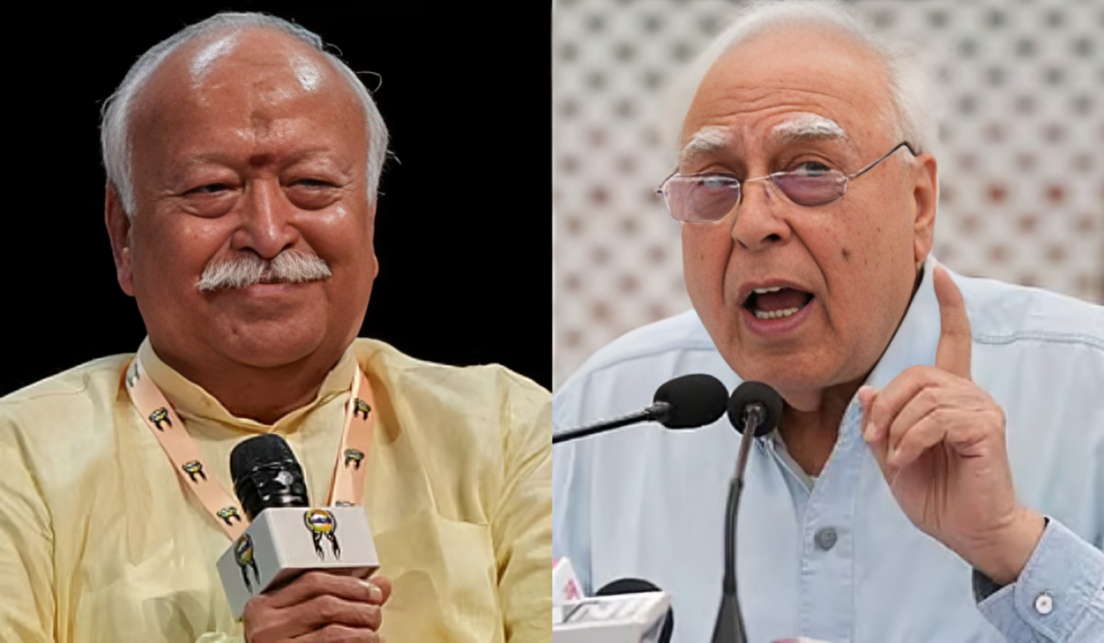
Mohan Bhagwat Says India’s Diversity Must Be Accepted and Protected at RSS Vijayadashami Event
Rashtriya Swayamsevak Sangh (RSS) chief Mohan Bhagwat has stressed that India’s diversity must be accepted, respected and protected, describing it as an important part of the country’s traditional character. Addressing the organisation’s annual Vijayadashami Utsav in Nagpur, Maharashtra, on October 20, 2026, he called for stronger emotional bonds among citizens to preserve national unity.
Bhagwat’s address covered India’s cultural and philosophical traditions, the importance of national self-awareness, the role of the Constitution and the contributions of historical figures who influenced Indian society.
Diversity as a defining feature of India
During his speech, Bhagwat highlighted India’s diversity across several aspects of everyday life, including religion, region, caste, language, food habits, customs and traditions. He said these differences should be acknowledged and protected rather than treated as obstacles to national unity.
According to Bhagwat, respect for diversity has deep roots in India’s philosophical and spiritual traditions. He argued that the country’s ability to remain united while accommodating different cultural practices has been an important feature of its historical identity.
He called for a shared foundation that allows people from different backgrounds to coexist while retaining their individual traditions. His remarks placed emphasis on the idea that national unity does not necessarily require uniformity in language, customs, religious beliefs or lifestyles.
The speech presented acceptance of diversity and the strengthening of social bonds as complementary objectives. Bhagwat said India needs to preserve the traditions that encourage mutual respect while remaining responsive to changing circumstances.
Constitutional values and national identity
Bhagwat connected the RSS’s centenary-year activities with the concept of national self-awareness, often described in the organisation’s discourse as svabodh. He said efforts to strengthen India should be rooted in an understanding of the country’s history, cultural identity and shared sense of belonging.
He referred to the Preamble of the Indian Constitution, which begins with the words “We, the People of India”. Bhagwat cited this expression as reflecting a collective identity that connects citizens despite the country’s extensive diversity.
The Constitution establishes the framework for India’s democratic system and sets out key principles governing the country. In his address, Bhagwat used its opening words to underline the importance of a shared national bond.
He also argued that India’s traditions should be understood in a way that preserves enduring principles while allowing practices that no longer serve society to change. His remarks linked cultural continuity with the need to respond to present-day challenges.
RSS centenary and its stated objectives
The 2026 Vijayadashami event took place during the RSS’s centenary-year observances. Bhagwat referred to the organisation’s work over the past 100 years, describing it as an effort to awaken national self-awareness and strengthen the country.
He said the organisation sought to bring people together around a shared understanding of India’s cultural identity and history. The centenary period has included activities intended to communicate the organisation’s perspective on national identity, social responsibility and community life.
Bhagwat’s speech placed the idea of emotional unity at the centre of these efforts. He argued that a country with many languages, religions, customs and regional identities needs a strong sense of belonging to remain cohesive.
These statements reflect the RSS chief’s view of the organisation’s role in Indian society. They should be understood as his description of its objectives rather than as an independent assessment of the organisation’s overall impact.
Remembering historical and social figures
Bhagwat also referred to several historical figures whose lives and work influenced Indian religious, social and educational movements. Among those mentioned were Swami Shraddhanand, Swami Laxmanananda Saraswati, Mahatma Jyotirao Phule and Shrimad Rajnarayan Basu.
Swami Shraddhanand was associated with the Arya Samaj, educational initiatives and the freedom movement. Mahatma Jyotirao Phule was a prominent social reformer who challenged caste-based discrimination and worked to expand access to education, particularly for women and disadvantaged communities.
Bhagwat also referred to Swami Laxmanananda Saraswati and his work among tribal communities in Odisha. The address recalled these figures as part of a broader discussion of social awakening, service and the preservation of cultural traditions.
He also invoked Sant Ravidas, highlighting the saint’s message of devotion, social harmony and commitment to one’s faith. These references formed part of Bhagwat’s argument that historical personalities and their teachings continue to offer lessons for contemporary society.
The importance of social harmony
A recurring theme in Bhagwat’s address was the relationship between diversity and social harmony. He argued that the country’s differences should be protected while citizens strengthen their sense of collective responsibility.
The message comes amid continuing public discussions about identity, religion, caste, language and cultural traditions in India. Bhagwat’s remarks emphasised acceptance and protection of diversity as important principles for maintaining unity.
His speech also raised a broader question about how a large and varied society can balance cultural continuity with social change. Bhagwat’s position was that India should draw on its philosophical traditions while adapting to present circumstances.
Conclusion
Mohan Bhagwat’s Vijayadashami address focused on accepting India’s diversity, strengthening national self-awareness and building emotional unity among citizens. He connected these themes with the Constitution’s Preamble and recalled the contributions of historical figures associated with education, social reform and religious life.
The central message of the speech was that India’s unity should accommodate its many traditions, languages, communities and ways of life. Bhagwat urged people to preserve this diversity while nurturing a shared sense of belonging and responsibility towards the country.