Nandigram has once again drawn significant attention during the West Bengal Assembly Elections, emerging as one of the most closely watched constituencies in the state. Known for its political importance, the region is witnessing a competitive contest between prominent candidates.
Suvendu Adhikari, a senior leader associated with the Bharatiya Janata Party, is contesting from Nandigram. He is facing Pabitra Kar, who has recently changed political affiliation and is now contesting as a rival candidate. The contest reflects the shifting political dynamics in the region, where party alignments and leadership roles have evolved over time.
Nandigram has historically been a symbol of political change in West Bengal, and elections in this constituency often carry broader significance. The current contest is being closely observed as it may influence the overall electoral narrative in the state.
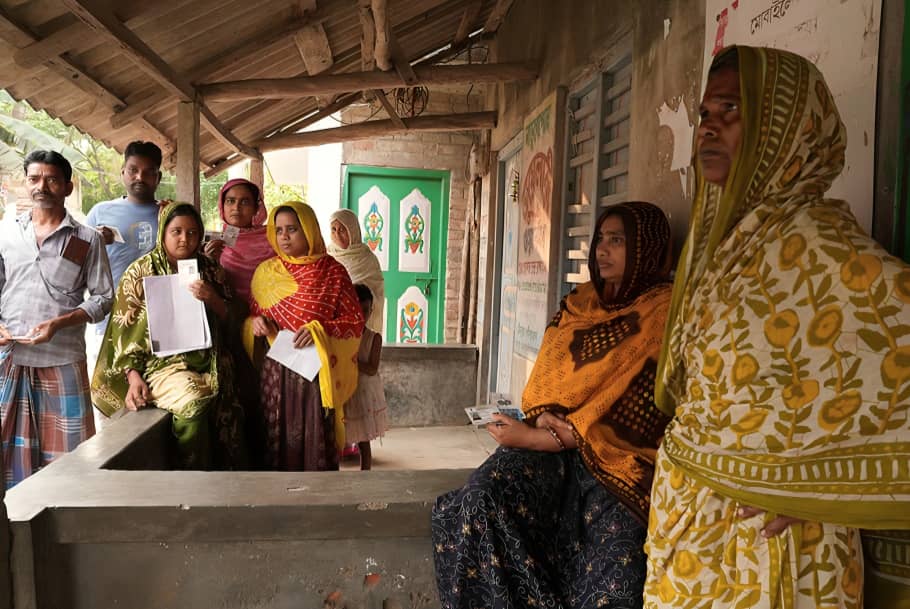
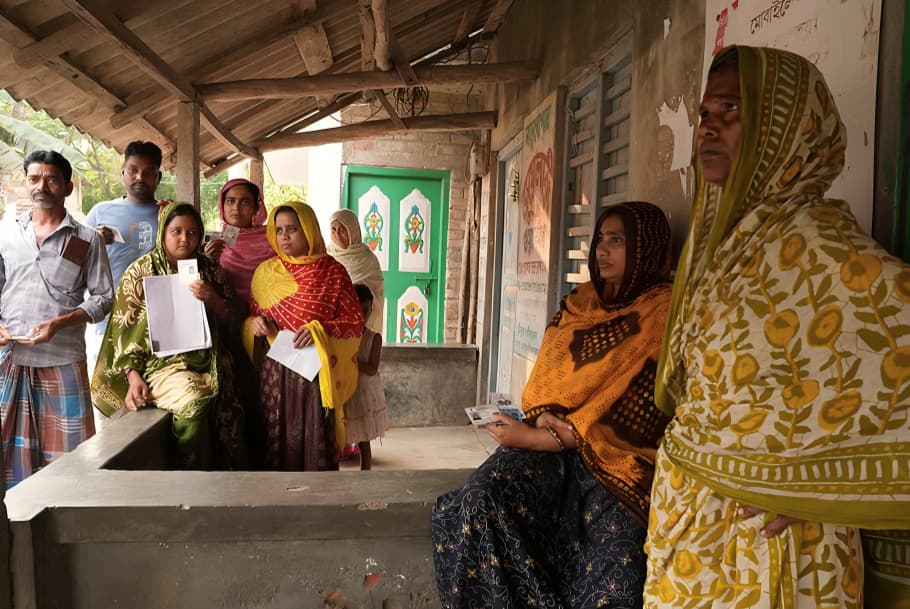
Local sentiment in the constituency indicates a mix of expectations and concerns. Some voters have expressed dissatisfaction related to candidate selection and governance, while others are focused on development related issues. Key concerns raised by residents include improvements in infrastructure, access to quality education, and overall economic development.
Political campaigns in Nandigram have highlighted these issues, with candidates addressing public meetings and outlining their plans for the constituency. The emphasis on development and social welfare reflects the priorities of voters, who are looking for tangible improvements in their daily lives.
Observers have noted signs of anti incumbency sentiment in certain areas, although opinions vary among different groups of voters. Such trends are common in elections and can influence the competitiveness of the race. At the same time, political loyalty and past performance also play a role in shaping voter decisions.
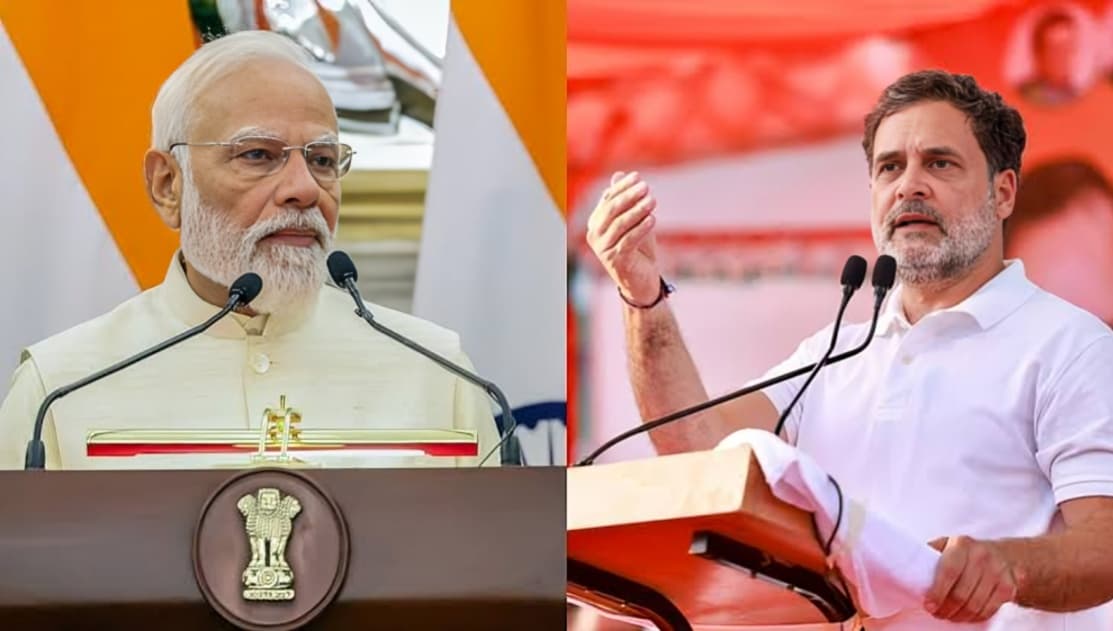
The broader election environment in West Bengal is marked by active campaigning from major political parties, including the Bharatiya Janata Party and the All India Trinamool Congress. Each party is focusing on key constituencies like Nandigram to strengthen its position in the state.
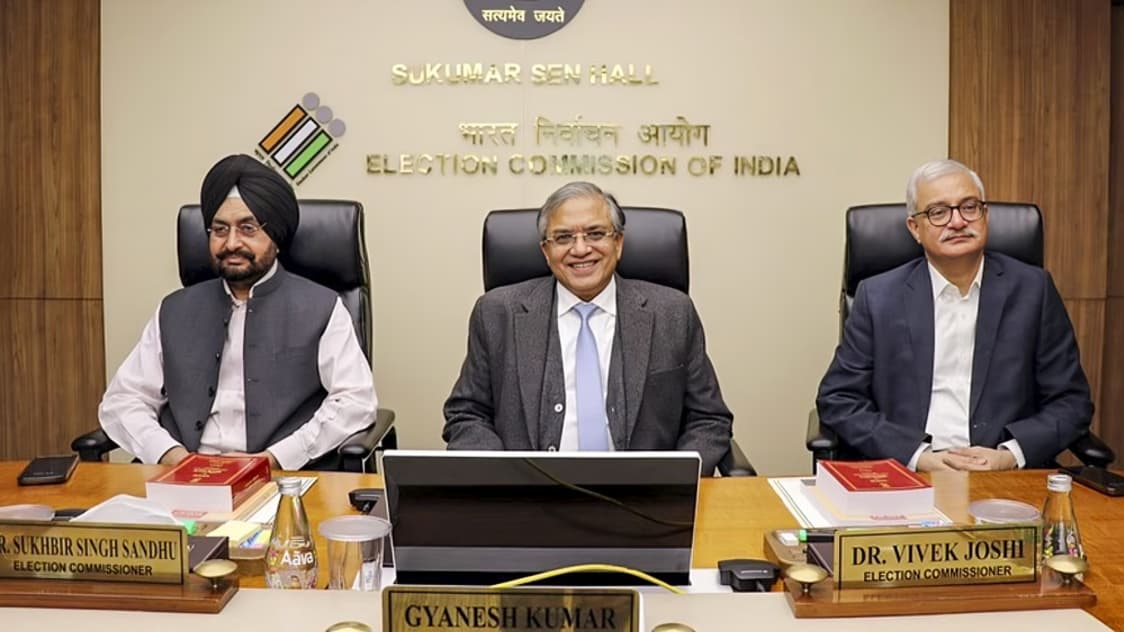
Election authorities have implemented measures to ensure that polling is conducted smoothly and fairly. Security arrangements, voter awareness initiatives, and monitoring systems have been put in place to maintain transparency and order during the election process.
The contest in Nandigram highlights the dynamic nature of electoral politics, where leadership, local issues, and voter expectations intersect. The outcome in this constituency will be closely watched, not only for its immediate impact but also for its potential influence on the broader political landscape of West Bengal.
As the election progresses, Nandigram remains a focal point for political discussions and analysis. The results from this constituency are expected to provide insights into voter preferences and the direction of political change in the region.