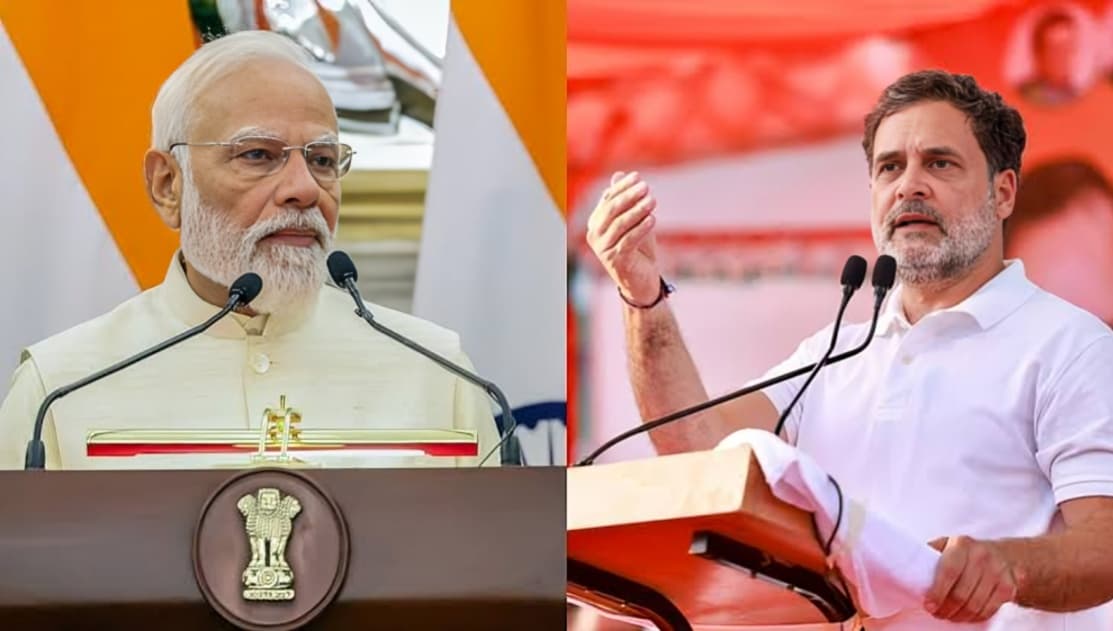
Prime Minister Narendra Modi has addressed growing concerns surrounding the proposed delimitation exercise and the implementation of women reservation in Parliament, stating that no state will lose its share of representation in the Lok Sabha as a result of these reforms.
Speaking on the issue, the Prime Minister emphasized that the delimitation process is being approached as a national reform designed to strengthen the democratic framework of the country. He clarified that the intention is not to benefit any particular political party or region, but to ensure fair and balanced representation based on current needs and future growth.
The delimitation exercise, which involves redrawing parliamentary constituencies, has raised concerns among several states, particularly in southern India. These states have expressed apprehension that population based adjustments could reduce their representation in comparison to states with higher population growth. In response, Narendra Modi assured that the government is working on a framework that would protect the existing share of states while also accommodating changes in population and expanding representation.
One of the key proposals under consideration is the expansion of the Lok Sabha to accommodate a larger number of seats. This move is seen as a way to ensure that no state loses its current level of representation while still allowing for adjustments based on demographic changes. The expansion is expected to create space for new constituencies without reducing the influence of any existing region.
In addition to delimitation, the government is also moving forward with the implementation of women reservation in Parliament. The proposed legislation aims to reserve 33 percent of seats in the Lok Sabha and state assemblies for women. The Prime Minister described this step as a significant milestone in promoting gender equality and enhancing the participation of women in the democratic process.
He noted that increasing women representation would contribute to more inclusive decision making and bring diverse perspectives into governance. The implementation of women reservation is expected to take effect in future elections after the completion of the delimitation process.
The announcement has generated widespread political discussion across the country. While many leaders have welcomed the assurance regarding state representation, some opposition parties have called for greater clarity on how the delimitation process will be carried out and how the seat expansion will be structured.
Experts believe that the combination of delimitation and women reservation represents a major structural change in India’s electoral system. These reforms could reshape the composition of Parliament and influence political dynamics for years to come.
The government has indicated that further consultations and discussions will be held to address concerns raised by different stakeholders. The final framework is expected to balance population based representation, regional interests, and the goal of increasing women participation in governance.
As the debate continues, the focus remains on ensuring that the reforms strengthen democratic values while maintaining fairness and inclusivity across all states.