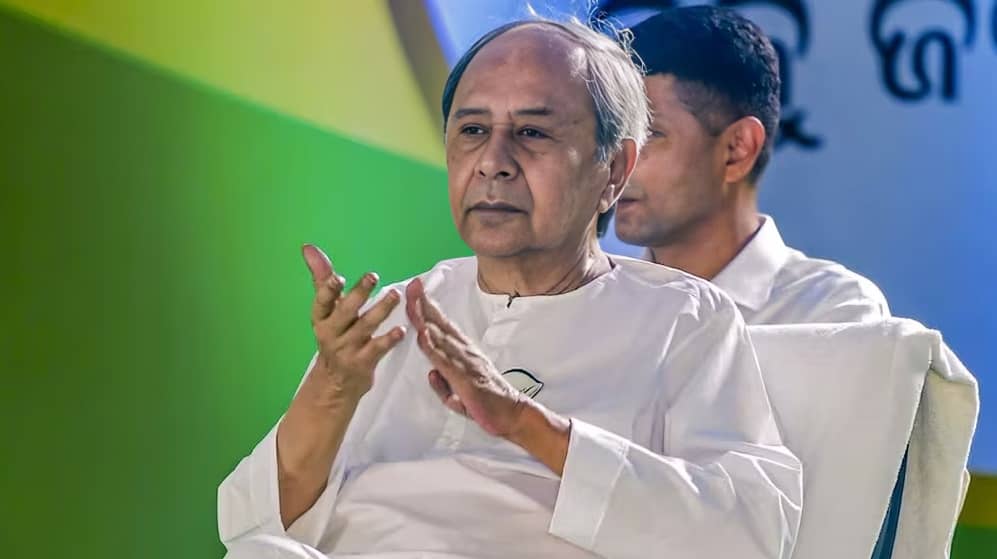
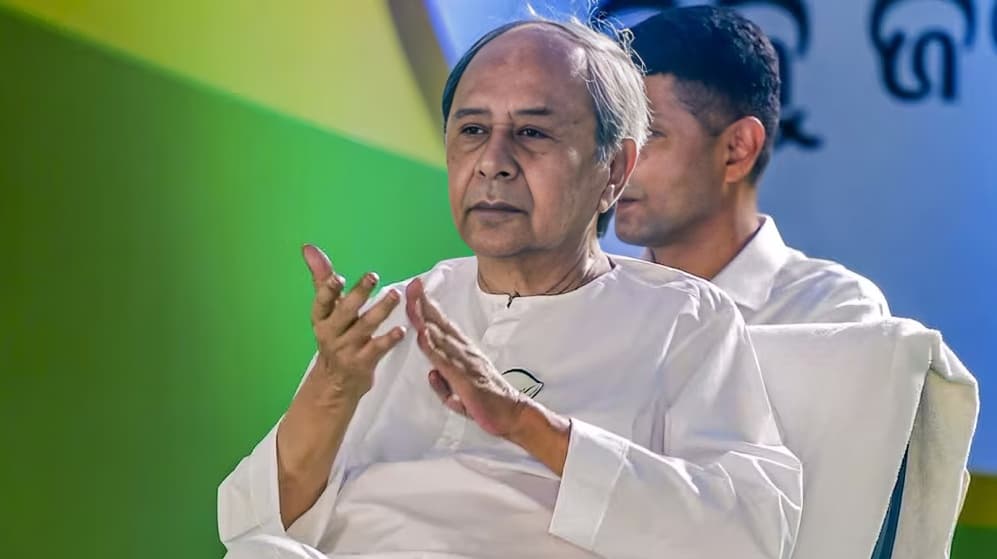
Biju Janata Dal chief Naveen Patnaik has voiced strong opposition to the proposed delimitation exercise, raising concerns about its potential impact on Odisha’s representation in Parliament. His remarks come amid ongoing political discussions over electoral reforms expected to be introduced in a special session of Parliament.
Patnaik has clarified that while he supports the idea of increasing women’s representation through reservation in legislative bodies, he does not agree with linking it to the delimitation process. He has expressed apprehension that the proposed redrawing of constituency boundaries could negatively affect Odisha’s political influence at the national level.
In his statement, Patnaik urged Odisha Chief Minister Mohan Charan Majhi to oppose the Centre’s legislative package, which includes proposals related to delimitation and women’s reservation. He emphasised the need for the state government to take a clear stand in protecting Odisha’s interests in the evolving political framework.
The delimitation exercise involves revising the boundaries of parliamentary and assembly constituencies based on population data. While the process is intended to ensure fair representation, it has raised concerns among several states about its long term implications. One of the key issues highlighted by Patnaik is that even if the total number of Lok Sabha seats increases, the relative share of seats for Odisha could decline compared to other states with higher population growth.
Patnaik pointed out that such a shift could reduce Odisha’s influence in national decision making, particularly in matters that require strong representation in Parliament. He stressed that any changes to the electoral system should ensure that all states maintain a fair and balanced level of representation.
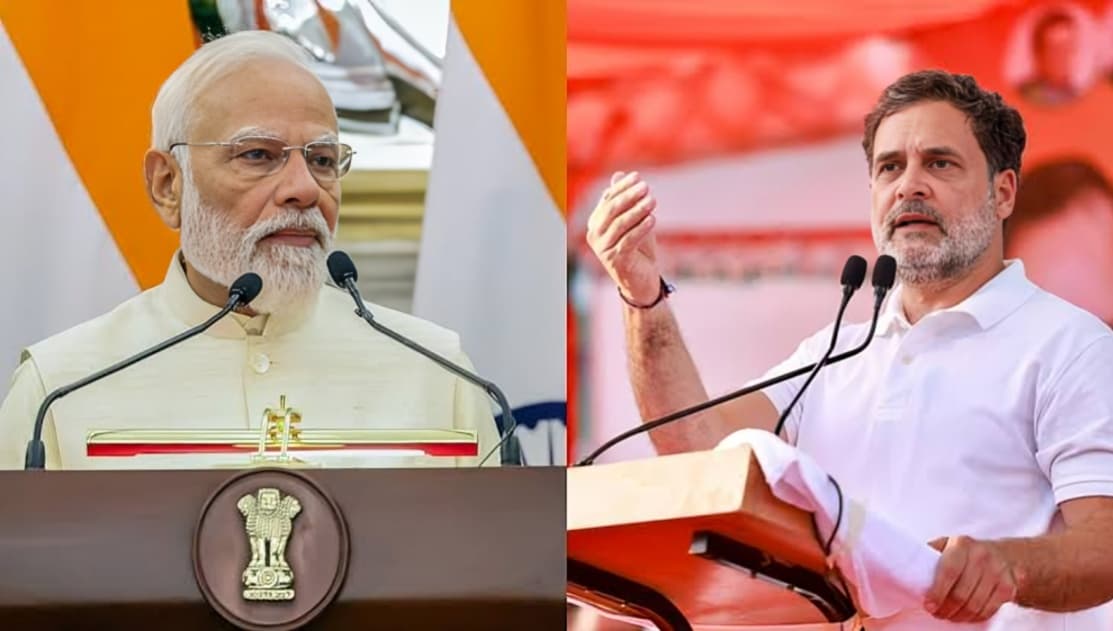
The debate over delimitation has gained momentum as the central government prepares to introduce key bills aimed at restructuring aspects of India’s electoral system. These include the implementation of women’s reservation and the redrawing of constituency boundaries. While there is broad support for enhancing women’s participation in politics, the delimitation proposal has emerged as a point of disagreement between the government and several political leaders.
Political analysts note that the concerns raised by Patnaik reflect a wider apprehension among states that fear losing relative political weight due to population based seat allocation. The issue is particularly sensitive in a federal system like India, where the balance of representation plays a crucial role in governance.
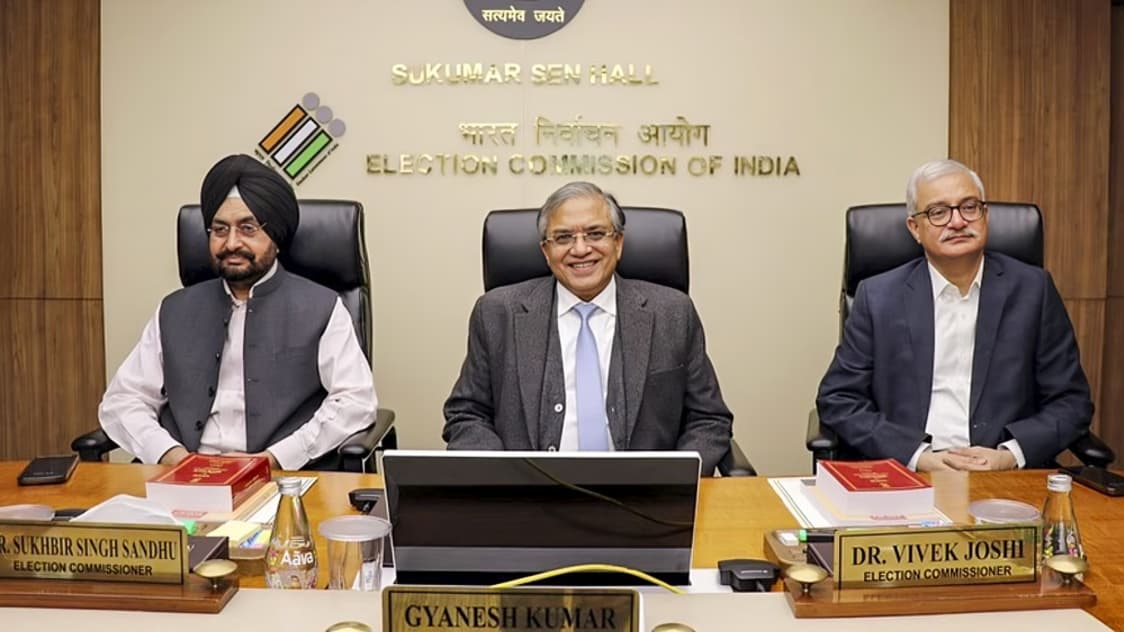
The central government has maintained that delimitation is necessary to align constituencies with current demographic realities and ensure equitable representation. However, critics argue that the process must be carried out with caution and after thorough consultation with all stakeholders.
Patnaik’s opposition highlights the growing debate over how electoral reforms should be implemented in a way that balances fairness, representation, and federal principles. As discussions continue in Parliament and among state leaders, the issue of delimitation is expected to remain a central topic in shaping the future of India’s political landscape.