
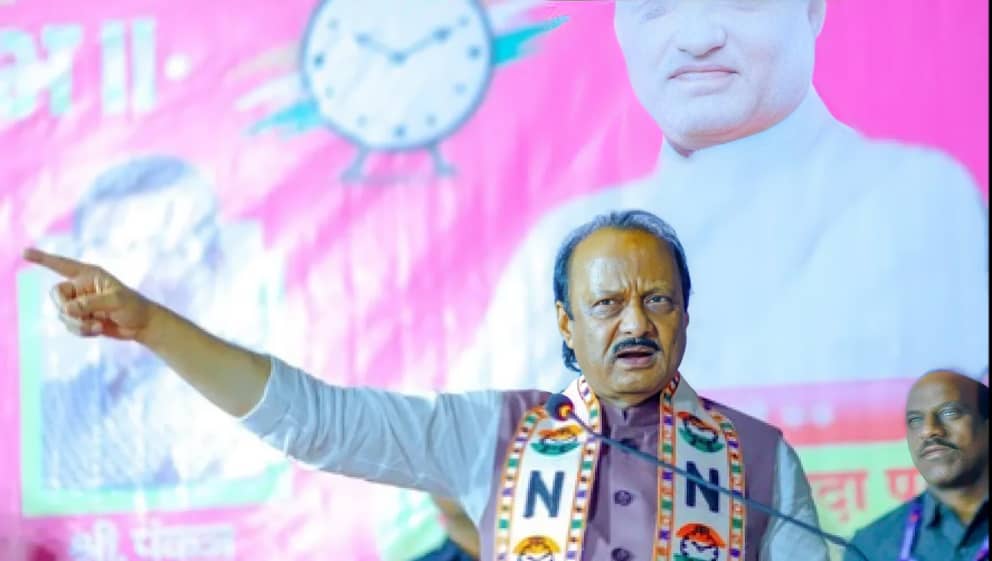
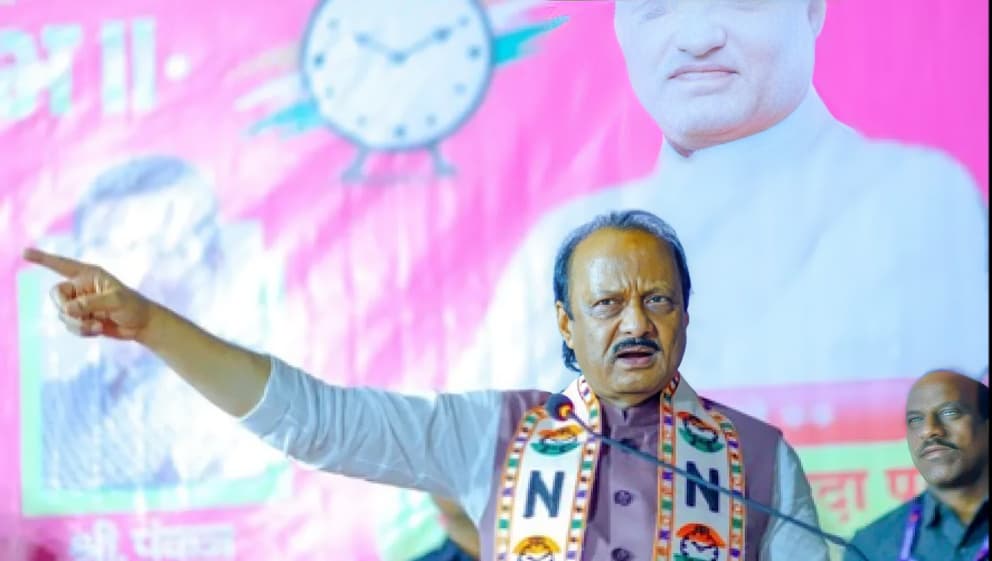
In a significant development ahead of the civic elections in Maharashtra, both factions of the Nationalist Congress Party (NCP) have announced their collaboration for the upcoming Pune Municipal Corporation (PMC) and Pimpri-Chinchwad Municipal Corporation (PCMC) polls, scheduled for January 15. The announcement comes after several rounds of discussions, negotiations, and interactions with various political stakeholders aimed at consolidating the party’s position in the region.
Despite contesting under separate party symbols, the factions have agreed to a joint strategy to strengthen voter outreach and avoid internal conflicts that could fragment the party’s base. The move reflects a strategic understanding that unity is essential to maximize electoral success and regain control in Pune, where local governance has shifted over the years.
Historically, an undivided NCP held office in the Pune Municipal Corporation from 2007 to 2017, successfully implementing policies in urban development, infrastructure, and civic administration. However, in the 2017 civic polls, the party lost its majority to the BJP and became the opposition, altering the dynamics of local governance. The current alliance of NCP factions aims to recapture lost ground, leveraging combined organizational strength and voter networks built over the years.
The joint announcement follows a series of meetings with other political parties and internal consultations. Party leaders emphasized that the collaboration does not merge the factions but coordinates campaign strategies, resource allocation, and voter mobilization efforts. This coordination is expected to present a cohesive front to voters while retaining each faction’s identity and influence within the party structure.
Political analysts note that the NCP’s move is significant in Pune, a city with a history of competitive civic politics and a diverse electorate. By pooling resources and aligning campaign messaging, the factions aim to counter the BJP’s strong presence and present a credible alternative to the electorate. The focus is expected to be on local issues such as civic infrastructure, water supply, sanitation, and urban development.
The alliance also reflects broader trends in Maharashtra politics, where internal party divisions and factionalism have previously affected electoral outcomes. By coordinating efforts, the NCP seeks to minimize vote splitting, enhance campaign efficiency, and improve prospects in both PMC and PCMC elections. Party officials stated that grassroots engagement, voter outreach, and strategic campaigning will be central to their approach in the coming weeks.
As Pune and Pimpri-Chinchwad prepare for elections, the NCP factions’ joint strategy will be closely watched by political observers and rival parties. The outcome of these elections could influence the political landscape in the city and serve as an indicator of the party’s organizational strength ahead of future state-level elections.
Overall, the NCP factions’ collaboration represents a pragmatic approach to local elections, balancing party unity with individual identity, aiming to regain influence and provide voters with a clear alternative to the incumbent party.


