NDA Secures 16 Seats in MLC Elections as Congress Reviews Performance
The Bharatiya Janata Party led National Democratic Alliance won 16 of the 28 seats in legislative council elections held across four states, according to the reported results. The outcome proved challenging for the Congress, particularly in Karnataka, where the NDA secured victories in all four Legislative Council constituencies. Results from Bihar and Maharashtra reflected a mixed electoral picture, while the BJP maintained a lead in Uttar Pradesh as counting of paper ballots continued.
The elections attracted attention because they offered political parties an opportunity to assess their support among voters in graduate and teacher constituencies. Unlike elections to the state legislative assemblies, these contests involve specific electoral groups and operate under a different voting process. The results can therefore provide insights into regional political preferences, although they do not necessarily represent the views of the entire electorate in a state.
In Karnataka, the BJP and its National Democratic Alliance partner, the Janata Dal Secular, performed strongly by winning all four constituencies mentioned in the reported results. The outcome was a setback for the Congress, which had hoped to secure seats in the state.
The Janata Dal Secular won the Bengaluru Teachers constituency, wresting the seat from the Congress. The BJP secured victories in the North East Teachers, West Graduates and South East Graduates constituencies. These results gave the NDA a complete sweep of the four Karnataka seats covered in the report.
The performance also placed pressure on the Congress leadership to examine its campaign strategy and voter outreach in the state. Karnataka Deputy Chief Minister D K Shivakumar acknowledged the outcome and said the party would take corrective measures. He said the Congress had expected to win two seats but had not achieved that target.
Shivakumar's response indicated that the party intended to review its performance rather than dismiss the results. The statement also reflected the challenges faced by the Congress in retaining support among voters in the constituencies where the NDA candidates emerged victorious.
The results in Karnataka were especially significant for the state Congress leadership because the elections offered an opportunity to assess the party's organisational strength among teachers and graduates. The defeat could lead to discussions within the party about candidate selection, local campaigning, voter engagement and the effectiveness of its election strategy. However, the precise reasons for the outcome would require a detailed assessment of constituency level voting patterns and campaign factors.
In Bihar and Maharashtra, the results were described as mixed, suggesting that the contest did not produce a uniform outcome across the two states. Regional political dynamics, local issues, candidate popularity and alliances can influence legislative council elections. A split verdict in these states demonstrates the importance of examining individual constituencies instead of drawing conclusions from the overall seat tally alone.
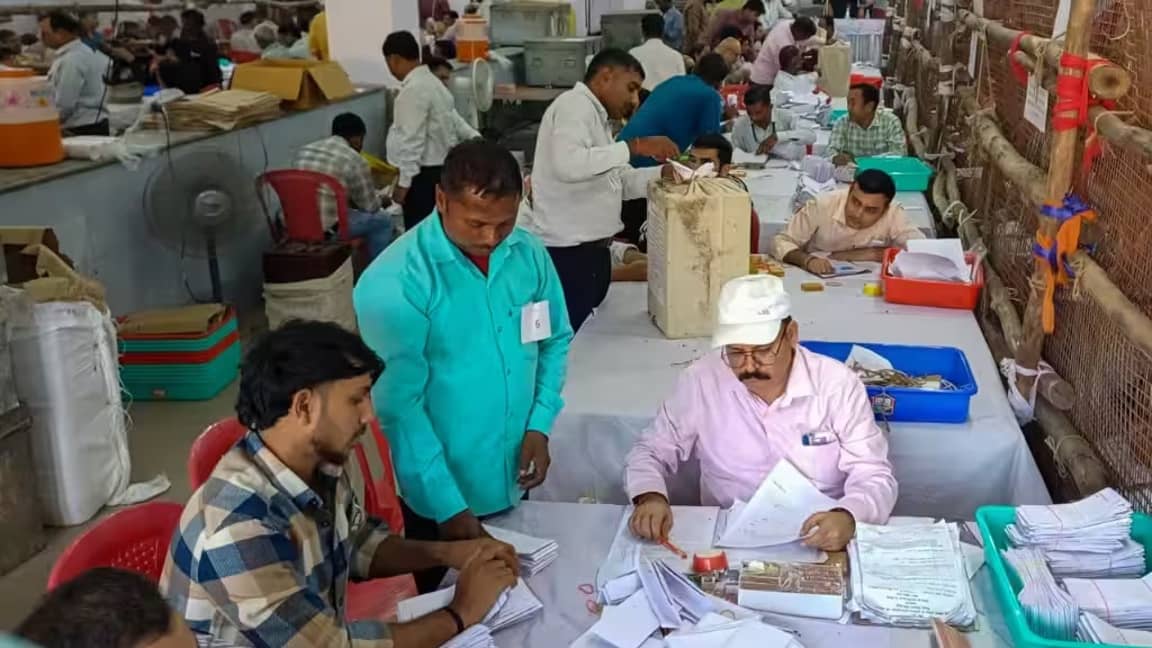
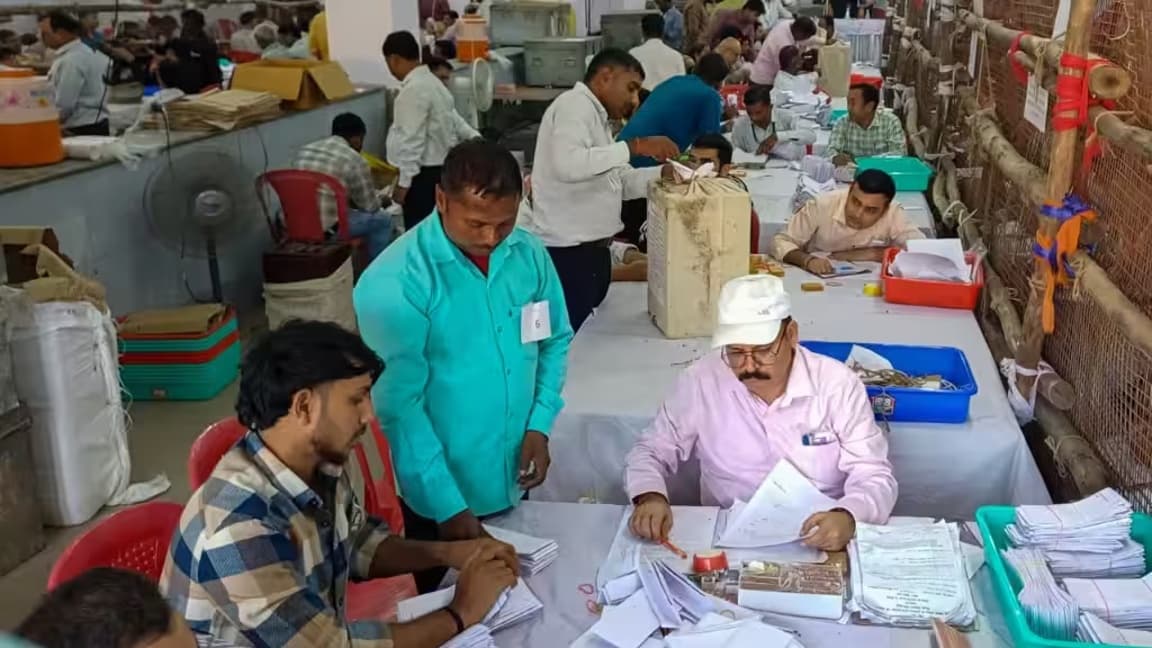
In Uttar Pradesh, the BJP was reported to be leading as the counting of paper ballots continued. The counting process extended from Tuesday into late Wednesday, according to the report. Since counting was still under way, the reported lead should not be treated as a final result unless officially confirmed by the election authorities.
The overall tally of 16 seats for the NDA out of 28 positions placed the alliance ahead in the reported elections. For the Congress, the results highlighted the need to review its performance in constituencies where it had expected to do better. At the same time, the outcomes across the four states showed that the political situation varied from one region to another.
Legislative council elections are important to state politics because the councils form part of the legislative process in states that have an upper house. Graduates and teachers constituencies represent specific groups of voters, making these elections distinct from general assembly polls. Political parties often use these contests to evaluate their grassroots networks, identify areas of support and assess the effectiveness of their local leadership.
The election outcome is likely to prompt further political discussions within the Congress and the NDA. For the Congress, Shivakumar's commitment to corrective action signals a review of the party's approach in Karnataka. For the NDA, winning all four reported Karnataka seats and securing 16 of the 28 seats overall represents a significant result in these contests.
The final assessment of the elections should take into account the officially declared results from all four states, particularly Uttar Pradesh, where counting was continuing at the time of the report. The overall result provides an indication of the parties' performance in these specific constituencies, but broader conclusions about public opinion should be made cautiously.