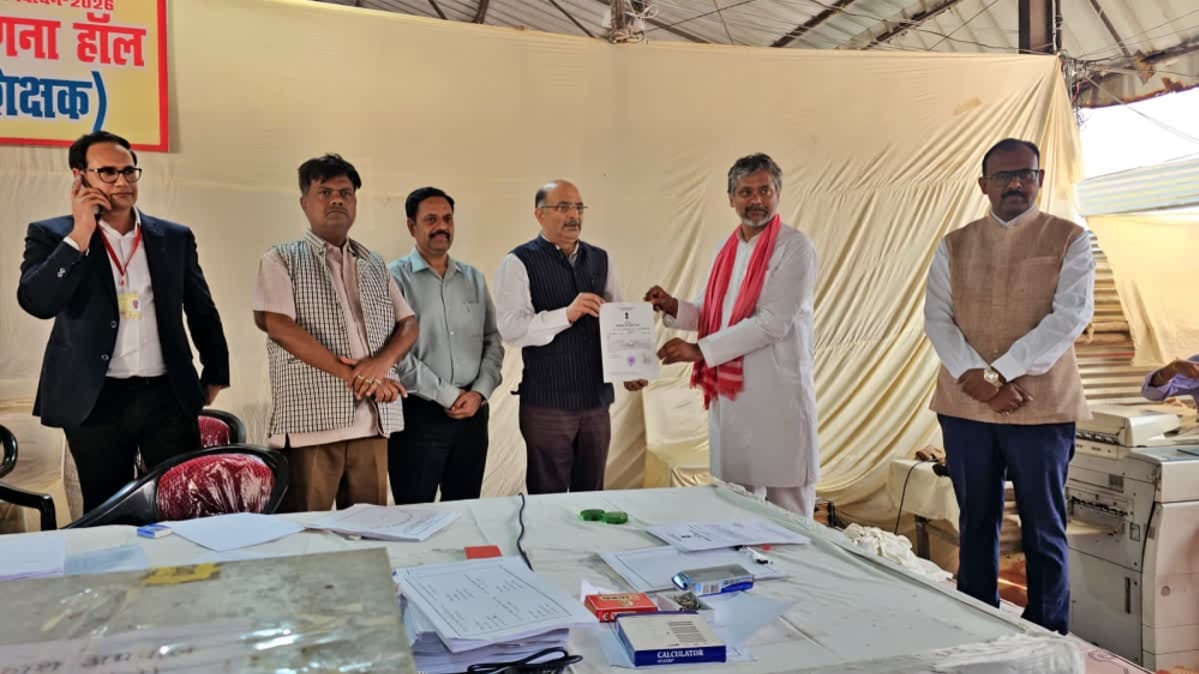
Samajwadi Party Wins Five Seats as BJP Retains Six in Uttar Pradesh MLC Elections
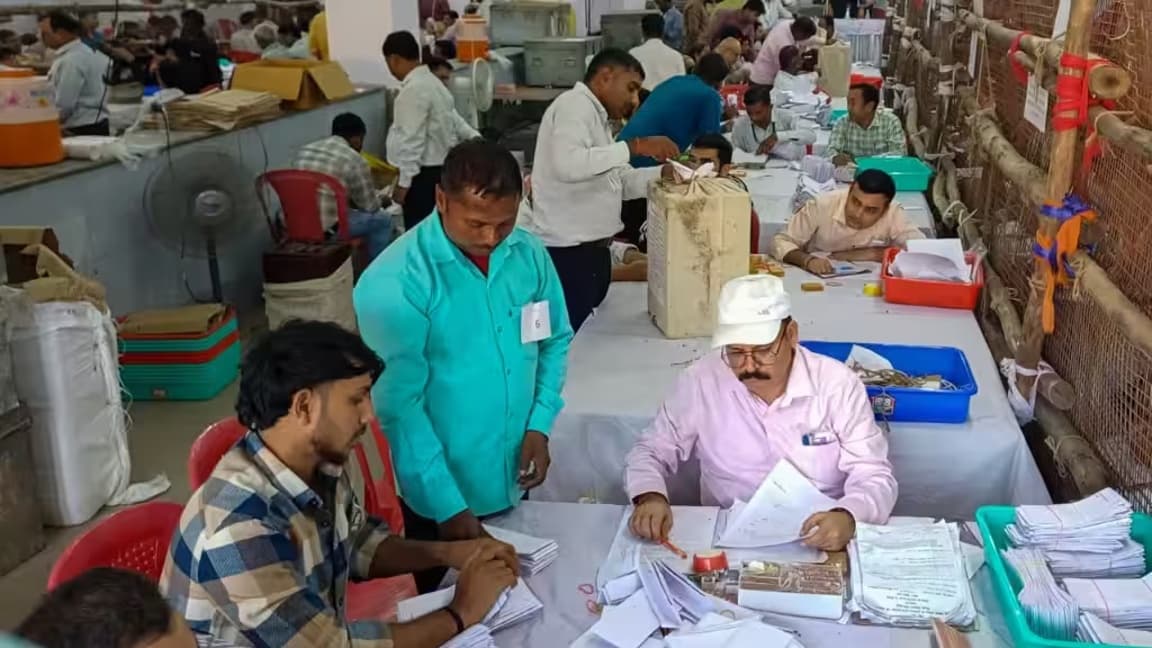
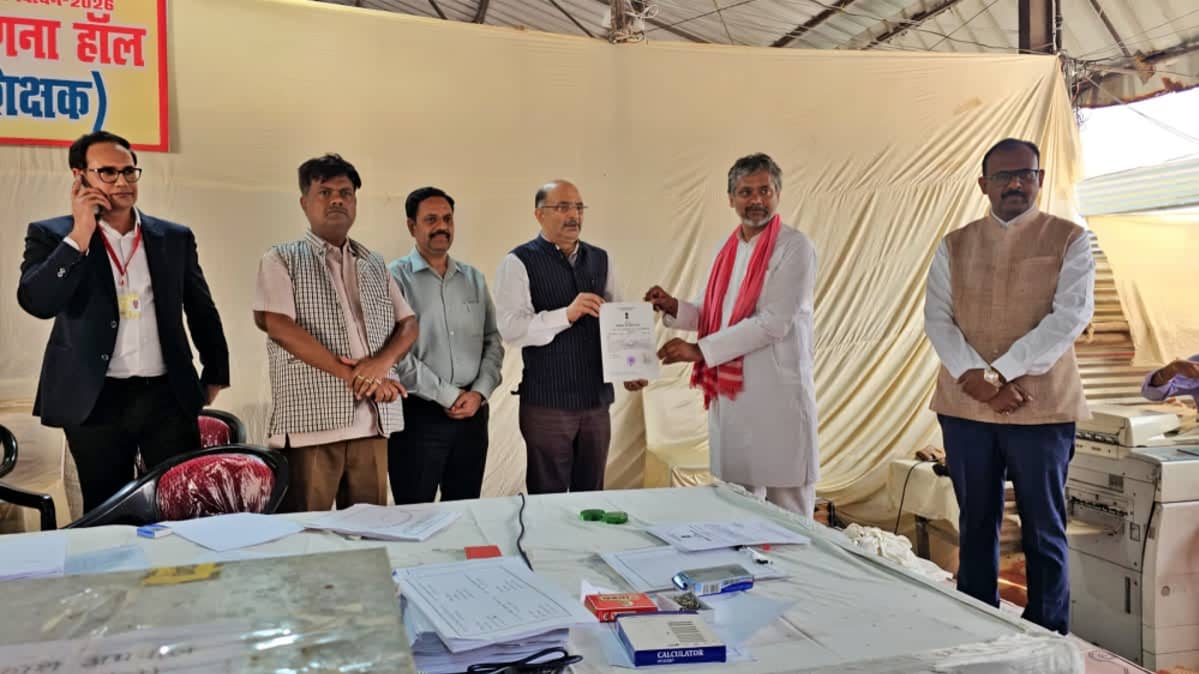
The Samajwadi Party secured victories in five seats in the Uttar Pradesh Legislative Council elections, while the Bharatiya Janata Party retained six seats, according to the reported results. The outcome highlighted the continuing political competition between the two parties in Uttar Pradesh, one of India's most politically significant states.
The Samajwadi Party recorded wins in constituencies including Varanasi and Allahabad-Jhansi. The Bharatiya Janata Party, meanwhile, retained seats such as Bareilly-Moradabad and the Lucknow Teachers' constituency. The reported results indicate that the BJP maintained an advantage in the overall seat tally, while the SP secured victories in several constituencies.
The Uttar Pradesh Legislative Council is the upper house of the state legislature. Unlike elections to the Legislative Assembly, which are conducted through direct voting by eligible constituents, Legislative Council seats are filled through different electoral processes, depending on the category of seat. These categories can include constituencies representing graduates, teachers and local authorities, as well as seats filled through other constitutionally prescribed methods.
Elections to the Legislative Council are therefore important for political parties seeking representation in the state's legislative process. The results can influence party strength in the upper house and shape discussions on legislation, public policy and the functioning of the state government.
The Samajwadi Party's victories in constituencies such as Varanasi and Allahabad-Jhansi are politically significant because electoral contests in these areas attract attention from both major parties. The BJP's retention of Bareilly-Moradabad and the Lucknow Teachers' constituency also represents an important part of its performance in the reported election results.
However, the overall significance of the outcome depends on more than the number of seats won in a particular election. The composition of the Legislative Council, the terms of individual members and the wider political balance in the state all influence how the results affect legislative proceedings.
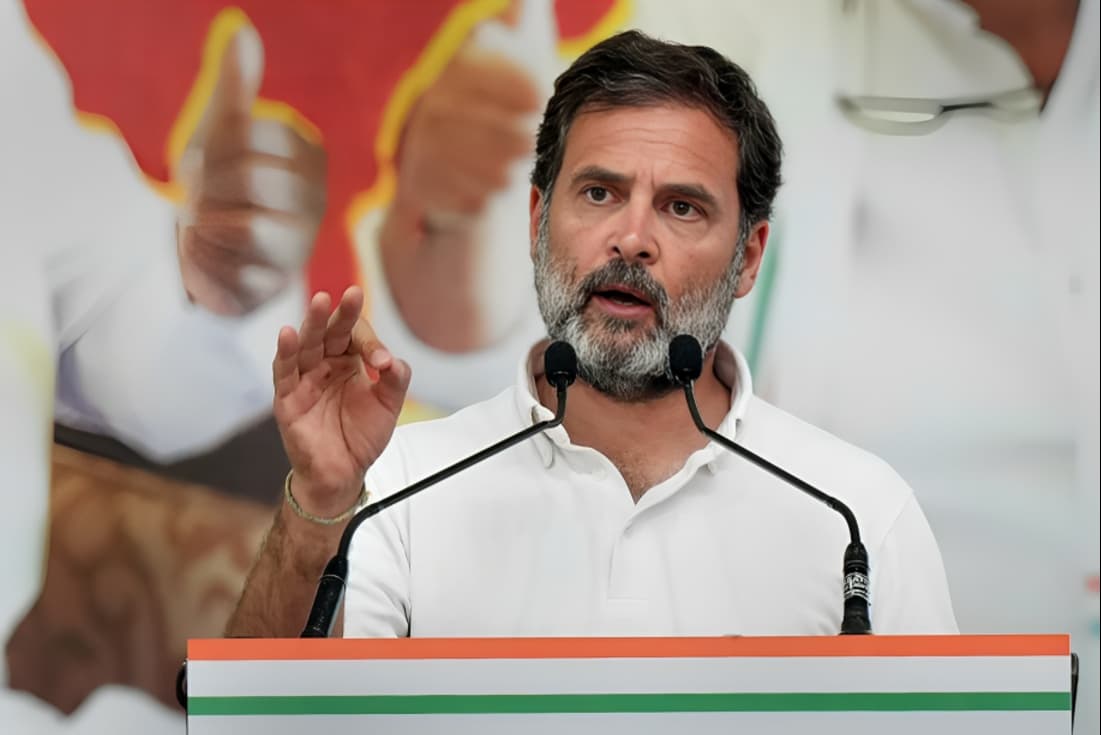
The election process also became the subject of political controversy, with leaders from both the Samajwadi Party and the BJP accusing each other of electoral malpractice. Such allegations can arise during closely contested elections, but they require examination through evidence and the appropriate legal or electoral procedures.
Claims of malpractice should not be treated as proven merely because political leaders have made public statements. Any complaint regarding voting, counting or election procedures must be assessed by the relevant authorities in accordance with the law. Official findings, formal complaints and judicial decisions, where applicable, are necessary to establish whether any rules were violated.
The exchange of accusations reflects the intense rivalry between the two parties in Uttar Pradesh. Both the SP and the BJP have sought to strengthen their political positions across the state, and elections to the Legislative Council provide another opportunity to demonstrate organisational strength and voter support within the relevant constituencies.
For the Samajwadi Party, winning five seats provides an opportunity to highlight its performance and challenge the BJP's political position. For the BJP, retaining six seats allows the party to point to its continued support in the constituencies where it won. The final political impact, however, should be assessed in the context of verified results and the existing composition of the Council.
The results may also shape how both parties prepare for future elections. Political organisations commonly review constituency-level outcomes to understand their support base, assess campaign strategies and identify areas where they may need to improve their performance. The reactions of party leaders and the response to allegations surrounding the election may also influence the political debate in the state.
At the same time, the election results should be understood within the specific framework of Legislative Council elections. The voters and electoral colleges involved can differ from those participating in a general Assembly election. Therefore, the outcome should not automatically be interpreted as a direct measure of the preferences of every voter across Uttar Pradesh.
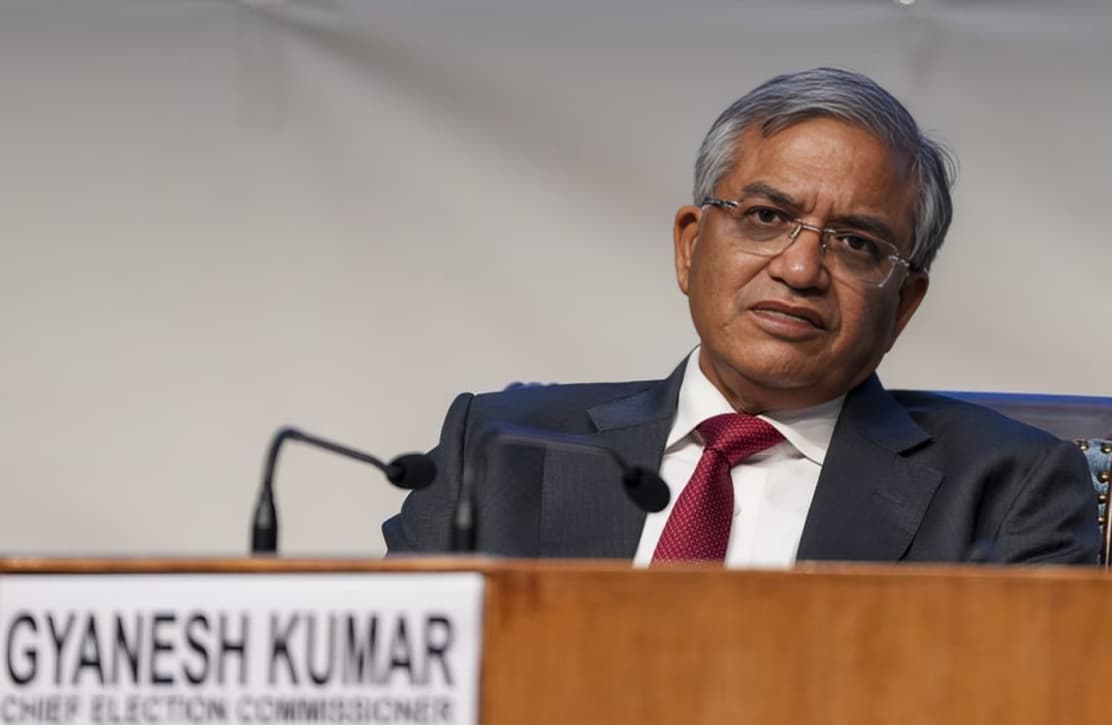
The reported tally of five seats for the Samajwadi Party and six for the BJP presents a clear comparison of the parties' performance in the contest described. For a complete assessment, the exact constituencies, candidate names, vote totals and official declarations should be checked against the Election Commission's published results.
The latest results underline the continuing importance of the Legislative Council in Uttar Pradesh politics. While the BJP retained a larger number of the reported seats, the SP's victories in five constituencies demonstrate that the political contest between the parties remains active. Any allegations concerning the election process will need to be evaluated separately from the declared results.