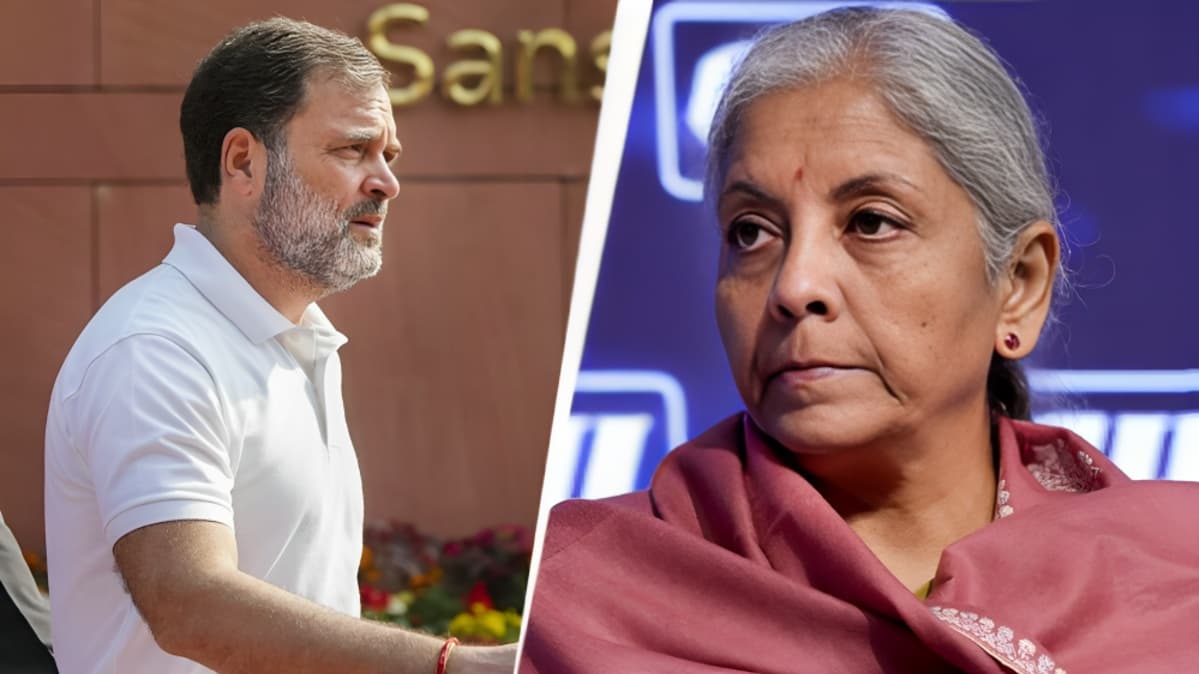
Rahul Gandhi's Remarks on Tata Group Trigger Political Debate Amid Leadership Dispute
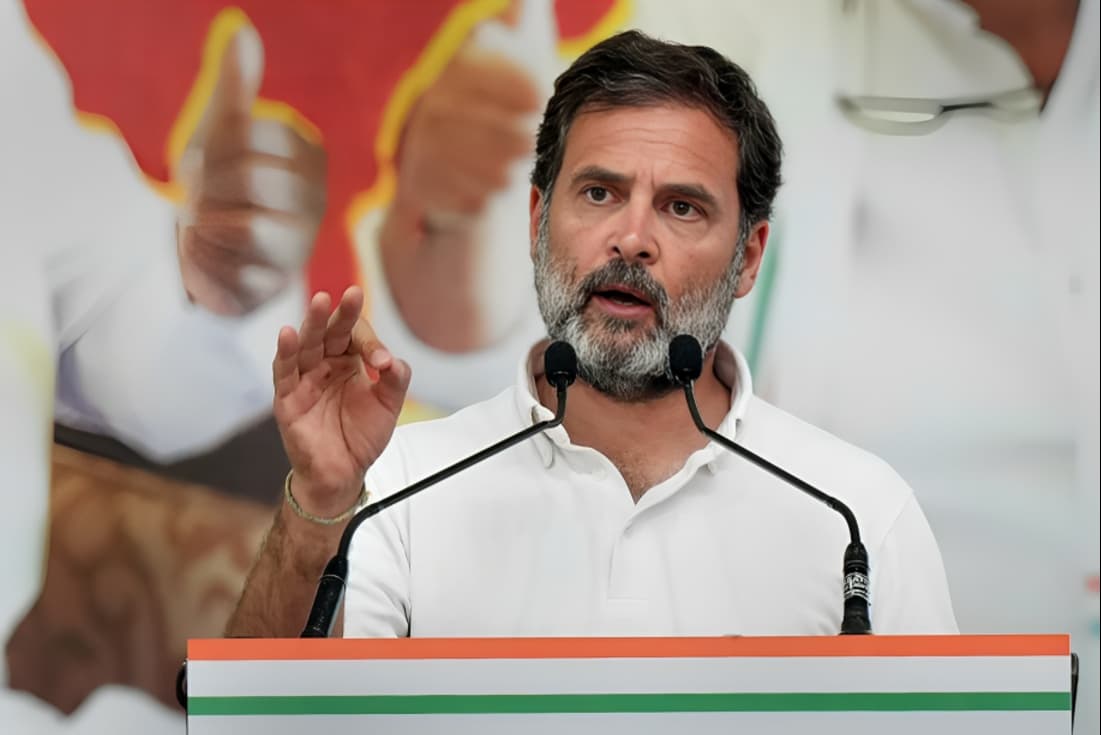
A political debate has emerged following Congress leader Rahul Gandhi's remarks about the ongoing leadership dispute within the Tata Group. Gandhi alleged that the conglomerate was being criminally destroyed and questioned why business leaders had remained silent about the developments. His comments also targeted the central government's alleged influence over Indian businesses.
However, the claim that Union Finance Minister Nirmala Sitharaman directly responded to these specific remarks could not be independently confirmed in the latest reports reviewed. The verified developments centre on Gandhi's statement and the disagreement involving Tata Sons and Tata Trusts.
Rahul Gandhi Questions Business Leaders
On October 28, 2026, Rahul Gandhi, the Leader of the Opposition in the Lok Sabha, criticised business leaders for not speaking publicly about the developments within the Tata Group.
In a post on social media platform X, Gandhi alleged that the group was being criminally destroyed and challenged business leaders to explain their silence. He also argued that Indian businesses should not be treated as the personal domain of political leaders.
Gandhi said his party would work to ensure justice over what he described as wrongdoing. His remarks intensified the political discussion surrounding one of India's most prominent business groups.
The allegations reflect the Congress leader's political position and should not be treated as established findings of criminal wrongdoing. The underlying corporate dispute involves questions about board procedures, governance and the validity of a leadership appointment.
Dispute Between Tata Sons and Tata Trusts
The controversy comes amid disagreements between Tata Sons, the holding company of the Tata Group, and Tata Trusts, which holds a controlling ownership interest in the group.
Tata Trusts Chairman Noel Tata has challenged the validity of the board resolution passed on September 17, 2026, to reappoint N Chandrasekaran as executive chairman of Tata Sons for another five-year term. Chandrasekaran's current term is scheduled to end in February 2027.
Noel Tata has raised concerns about the procedure followed during the board meeting. Among his objections, he has questioned whether the reappointment was specifically included in the meeting agenda and whether the required selection and approval procedures were followed.
He has also disputed the interpretation of certain provisions in Tata Sons' Articles of Association, which govern the company's internal decision-making and board procedures.
The disagreement has brought questions about corporate governance and the relationship between the company's board and its major shareholders into public discussion. The objections represent Noel Tata's position, and the validity of the resolution remains a matter of dispute.
Why the Tata Group Dispute Matters
The Tata Group has a major presence in several sectors, including information technology, automobiles, steel, aviation, consumer products and hospitality. Its businesses and philanthropic institutions have played a significant role in India's industrial development.
Consequently, disagreements involving the group's leadership can attract attention from investors, employees, business leaders and policymakers. The current dispute has also raised broader questions about how major companies should manage leadership appointments, shareholder interests and governance requirements.
The central issue is not simply a political disagreement. It also concerns the interpretation of the company's internal rules and whether the process used to reappoint its executive chairman complied with those rules.
Gandhi has used the dispute to criticise the government's approach to the private sector. His comments have brought the relationship between political power and corporate independence into the debate. However, his allegations about government involvement should be distinguished from the specific corporate governance questions raised by the parties involved.
Nirmala Sitharaman and the Political Response
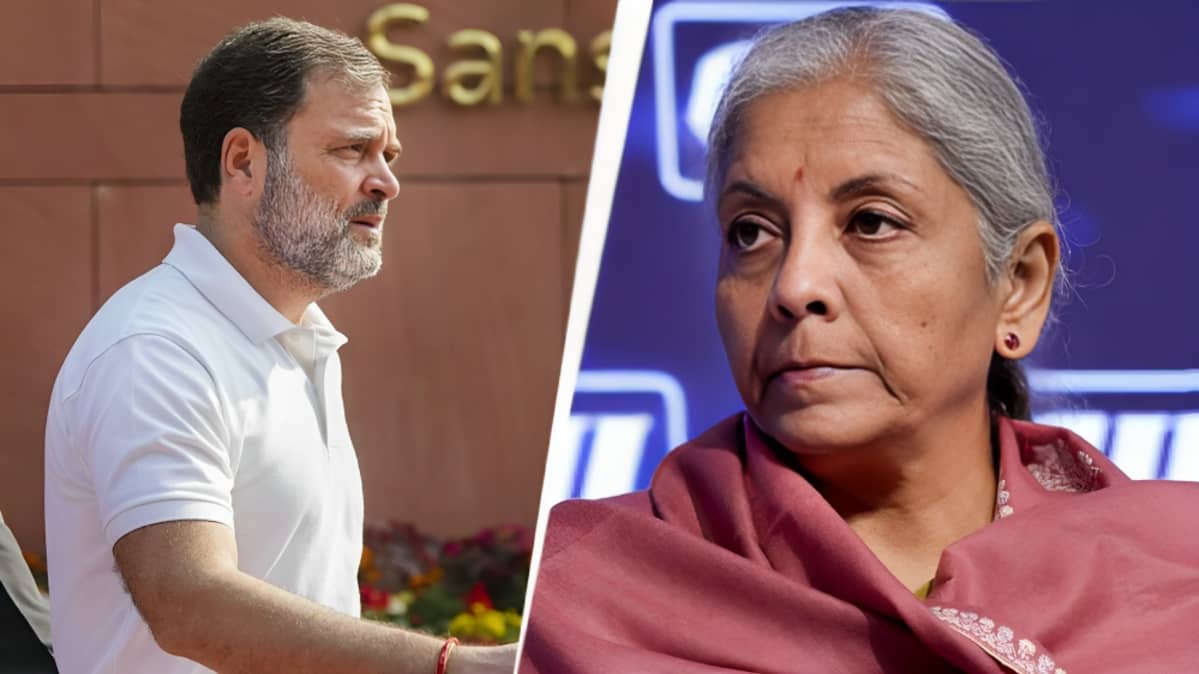
The supplied headline states that Finance Minister Nirmala Sitharaman criticised Gandhi over his remarks. However, the current reports reviewed for this article did not independently establish a direct statement from Sitharaman specifically addressing Gandhi's comments about the Tata Group.
Reports covering Gandhi's October 28 statement said there had been no immediate response from the BJP or the Tata Group at the time of publication. It would therefore be inaccurate to attribute specific comments about Congress policies, poverty or entrepreneurship to Sitharaman without a verifiable statement or report confirming those remarks.
The broader political disagreement between the BJP and Congress frequently includes contrasting assessments of economic policy, investment and the business environment. Nevertheless, any response linked to this particular controversy should be reported only after the statement has been confirmed.
What Happens Next
The immediate focus remains on the dispute between Tata Trusts and Tata Sons over Chandrasekaran's reappointment. The objections raised by Noel Tata concern the meeting agenda, the interpretation of company rules and the process used to approve the resolution.
Further clarification from the company, its board or the relevant authorities may help establish how the dispute will proceed. Until the issues are resolved, the disagreement is likely to remain a subject of interest in corporate and political circles.
Gandhi's comments have added a political dimension to the controversy by questioning the government's relationship with Indian businesses. However, the corporate allegations and the political criticism are separate matters and should be assessed on their respective evidence.
The latest developments underline the importance of transparent corporate governance and accurate reporting of political statements. While Gandhi has made strong allegations about the situation, readers should distinguish between his claims, the objections raised by Tata Trusts and any verified response from government representatives.