Bihar Chief Minister Nitish Kumar has resigned from his position as a Member of the Legislative Council shortly after being elected to the Rajya Sabha The development comes in line with constitutional requirements which mandate that a person cannot hold membership in both Houses simultaneously
Nitish Kumar was elected to the Rajya Sabha on March 16 representing the Janata Dal United His resignation from the Legislative Council was formally submitted within the stipulated period of 14 days ensuring compliance with legal provisions governing elected representatives The resignation was processed through the appropriate legislative channels
According to official information the resignation was submitted by a party representative on his behalf following established procedures Such steps are part of routine legislative practices when a leader transitions from a state legislative body to the Parliament
Nitish Kumar is a senior political leader and has played a significant role in Bihar politics for several years His move to the Rajya Sabha is seen as an important development in the political landscape of the state and at the national level The shift also reflects the party’s strategic planning in terms of representation in Parliament
The constitutional framework in India clearly outlines that elected representatives must vacate one position if they are elected to another legislative body This rule is designed to maintain clarity in representation and to avoid conflicts of interest By resigning from the Legislative Council Nitish Kumar has adhered to these legal norms
Political observers note that such transitions are not uncommon and often occur when leaders take on new roles within the political system The Rajya Sabha provides a platform for experienced leaders to contribute to national level policymaking and legislative discussions
The Janata Dal United has supported Nitish Kumar’s move and views it as an opportunity to strengthen its presence in the Upper House of Parliament His experience in governance and administration is expected to contribute to parliamentary debates and policy formulation
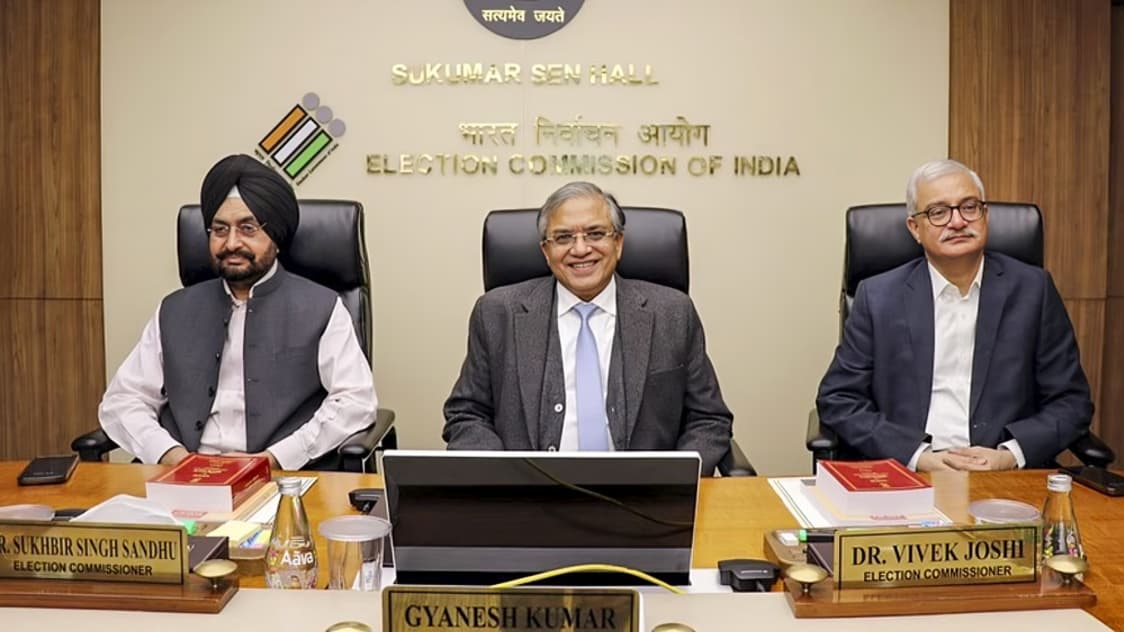
Meanwhile the vacancy created in the Bihar Legislative Council will be filled as per the rules and procedures laid down for such situations The Election Commission and relevant authorities will take necessary steps to ensure that the position is filled in due course
The development has drawn attention from political circles as it reflects ongoing changes in leadership roles and responsibilities Nitish Kumar’s transition to the Rajya Sabha marks a new phase in his political journey while maintaining his influence in Bihar politics
Overall the resignation is a procedural step that aligns with constitutional requirements and highlights the functioning of democratic institutions in managing leadership transitions effectively