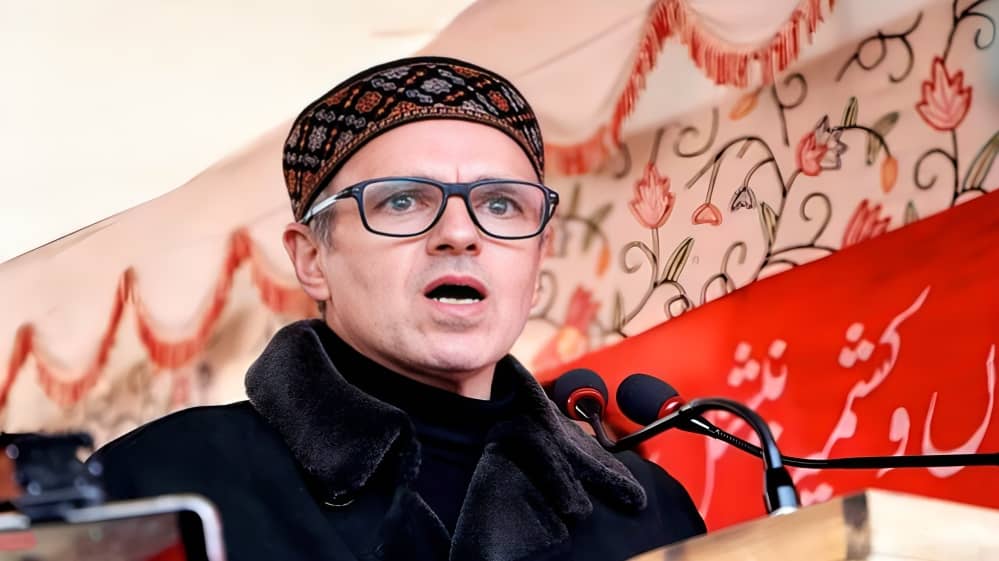
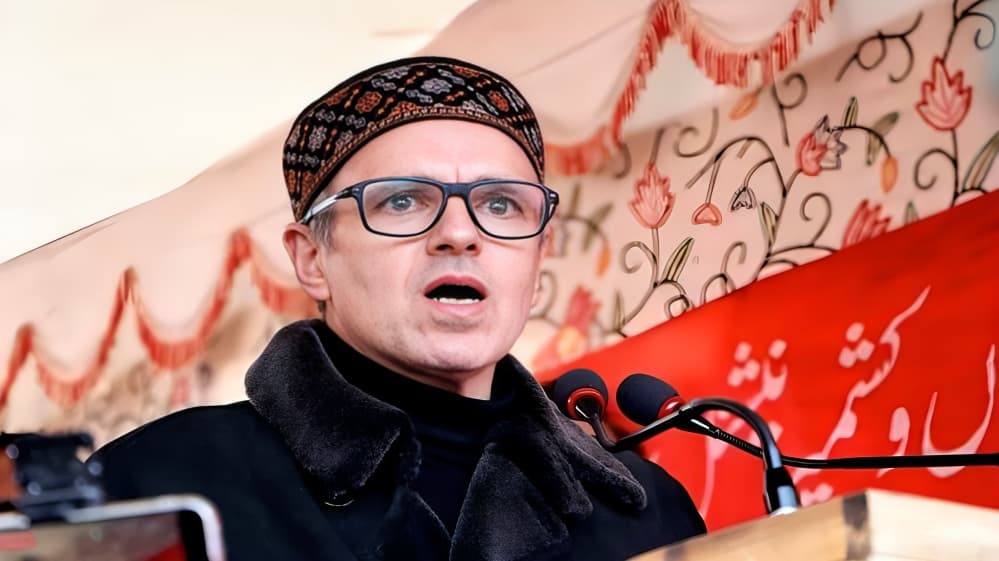
Jammu and Kashmir Chief Minister Omar Abdullah has raised concerns over the continued delay in restoring statehood to the Union Territory, describing it as a political decision that is affecting the people of the region. His remarks have added to the ongoing debate over governance and administrative status in Jammu and Kashmir.
Speaking in response to recent statements by Bharatiya Janata Party leader Sunil Sharma, Abdullah suggested that the delay is being perceived as a consequence of political choices made by the electorate. He indicated that such a situation raises questions about the principles of democratic governance and the relationship between the Centre and the region.
Sunil Sharma, however, rejected the idea that statehood restoration should be viewed through a political lens. He stated that the issue should not be linked to any specific leader, political party, or family. According to him, decisions regarding statehood must be based on broader administrative and governance considerations rather than political narratives.
The exchange of views highlights the differing positions of regional and national political leaders on the matter. While Abdullah has emphasized the need for timely restoration of statehood to ensure effective governance and representation, BJP leaders have maintained that the process must follow a structured and considered approach.
The demand for restoring statehood to Jammu and Kashmir has been a key political issue since the reorganization of the region in 2019, when it was converted into a Union Territory. Since then, several political parties and leaders have called for the reinstatement of full statehood, arguing that it would strengthen democratic institutions and provide greater administrative autonomy.
Critics of the delay have pointed out that prolonged uncertainty can impact governance and development. They argue that restoring statehood would allow elected representatives to have greater control over policy decisions and resource allocation. On the other hand, supporters of the current approach emphasize the need for stability, security, and administrative preparedness before taking such a step.
Omar Abdullah also used the opportunity to comment on the performance and priorities of the current administration. He suggested that more focus should be placed on addressing the immediate concerns of the people, including development, employment, and public services. His remarks reflect broader political concerns about governance and accountability in the region.
The discussion around statehood is expected to continue as political parties and stakeholders engage with the issue. It remains a subject of significant public interest, with implications for the future political and administrative structure of Jammu and Kashmir.
As the debate evolves, the focus will likely remain on finding a balance between political expectations and administrative considerations. The perspectives expressed by leaders such as Omar Abdullah and Sunil Sharma underline the complexity of the issue and the need for continued dialogue.