
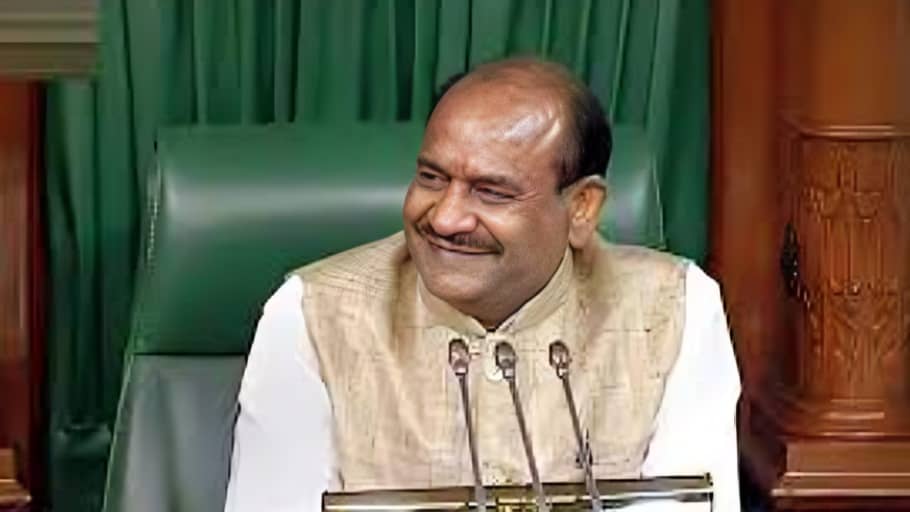
Opposition parties are exploring the possibility of bringing a no confidence motion against Lok Sabha Speaker Om Birla, citing concerns over parliamentary functioning and alleged bias during proceedings. The development comes after opposition leaders claimed that Congress leader Rahul Gandhi was not given an opportunity to speak during a recent debate in the Lok Sabha, triggering protests from opposition benches.
According to opposition Members of Parliament, the Speaker’s decision to not allow Rahul Gandhi to speak has raised questions about fairness and equal opportunity in parliamentary debates. Several opposition leaders argued that elected representatives must be given adequate time to express their views, particularly on important national issues. They claim that repeated restrictions on opposition voices undermine the democratic functioning of the House.
The issue has further escalated tensions between the ruling party and the opposition, with both sides trading sharp remarks over the conduct of proceedings. Opposition MPs staged protests inside and outside the House, demanding an explanation and insisting that parliamentary rules be followed uniformly for all members, regardless of party affiliation.
Sources within opposition parties indicated that discussions are underway to assess the feasibility of moving a no confidence motion against the Speaker. While such a motion is rare, opposition leaders believe it would send a strong political message highlighting their dissatisfaction with the current functioning of the Lok Sabha.
Earlier, Speaker Om Birla had appealed for calm and discipline in the House amid frequent disruptions. In a notable moment, he had also requested Prime Minister Narendra Modi to avoid attending the House for a session, citing concerns that his presence could lead to further disruptions and prevent smooth conduct of business. The move was seen as an attempt to restore order and ensure that legislative work could proceed without interruptions.
The ruling party has rejected the opposition’s allegations, asserting that parliamentary procedures are being followed strictly. Leaders from the treasury benches have accused the opposition of deliberately disrupting proceedings and then blaming the Speaker for lack of opportunity to speak. They maintain that the Speaker has acted impartially and in accordance with established rules.
Parliamentary experts note that the Speaker plays a crucial role in maintaining order and balancing competing interests in the House. Any challenge to the Speaker’s authority is considered a serious political step and reflects deeper divisions between the government and opposition.
As the Monsoon Session progresses, the possibility of a no confidence motion adds to the already charged political atmosphere in Parliament. Whether the opposition proceeds with the motion remains to be seen, but the issue has once again highlighted concerns over dialogue, decorum, and cooperation within India’s highest legislative body.


