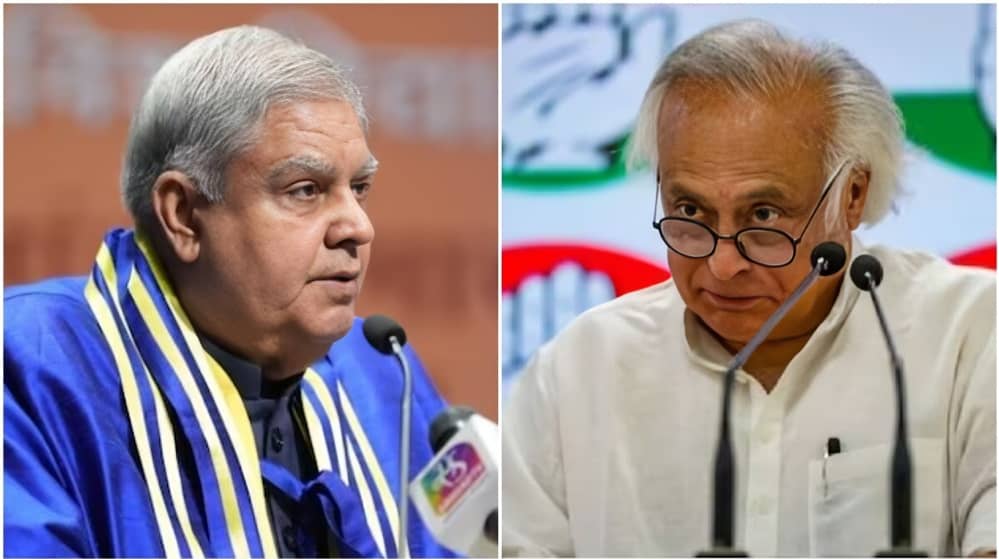
A parliamentary committee has begun reviewing a complaint lodged against Congress leader Jairam Ramesh over his recent remarks about Vice President Jagdeep Dhankhar. The complaint, submitted by members of the ruling party, alleges that Ramesh’s comments were inappropriate, disrespectful, and potentially in violation of parliamentary conduct norms. The matter has drawn widespread attention, highlighting the importance of maintaining decorum and ethical standards in political discourse.
The committee, responsible for examining complaints related to the conduct of members of Parliament, has requested a detailed explanation from Jairam Ramesh regarding his statements. Officials indicate that the panel will scrutinize the context, timing, and intent of the remarks before deciding whether any action is necessary. Ramesh is expected to appear before the committee or submit a written response to clarify his position.
Political analysts note that the case underscores the challenges of balancing freedom of speech with responsibilities attached to parliamentary roles. While members of Parliament have the right to express opinions and engage in political debate, they are also expected to maintain civility and respect toward high constitutional offices, including that of the Vice President. The committee’s review aims to ensure that these standards are upheld.
The complaint against Ramesh has also sparked reactions from political parties, legal experts, and commentators. Supporters of Ramesh argue that his comments fall within the bounds of legitimate political criticism and debate. Critics, however, emphasize that public statements targeting high-ranking officials must adhere to established norms to preserve the dignity of parliamentary institutions. The committee’s findings will likely set a precedent regarding the limits of political expression in relation to constitutional officeholders.
The panel’s review process typically involves a detailed examination of records, statements, and contextual information related to the incident. Witnesses or relevant parties may be invited to provide input, and legal or procedural experts may assist in assessing compliance with rules of parliamentary conduct. Once the committee completes its review, it will submit recommendations to the Parliament regarding potential action, which could range from a caution to formal disciplinary measures depending on the findings.
Observers suggest that the outcome of the committee’s review may have broader implications for political discourse in India. It could influence how lawmakers engage with constitutional authorities and shape the boundaries of public commentary in political debates. The emphasis on accountability and decorum reflects ongoing efforts to maintain ethical standards within the legislative process while allowing space for robust debate.
In conclusion, the complaint against Jairam Ramesh and the ongoing review by the parliamentary committee highlight the delicate balance between freedom of expression and responsibility in political communication. The process underscores the mechanisms in place to address grievances, uphold parliamentary decorum, and ensure accountability for statements made by elected representatives, reinforcing the importance of maintaining respectful and constructive political engagement.