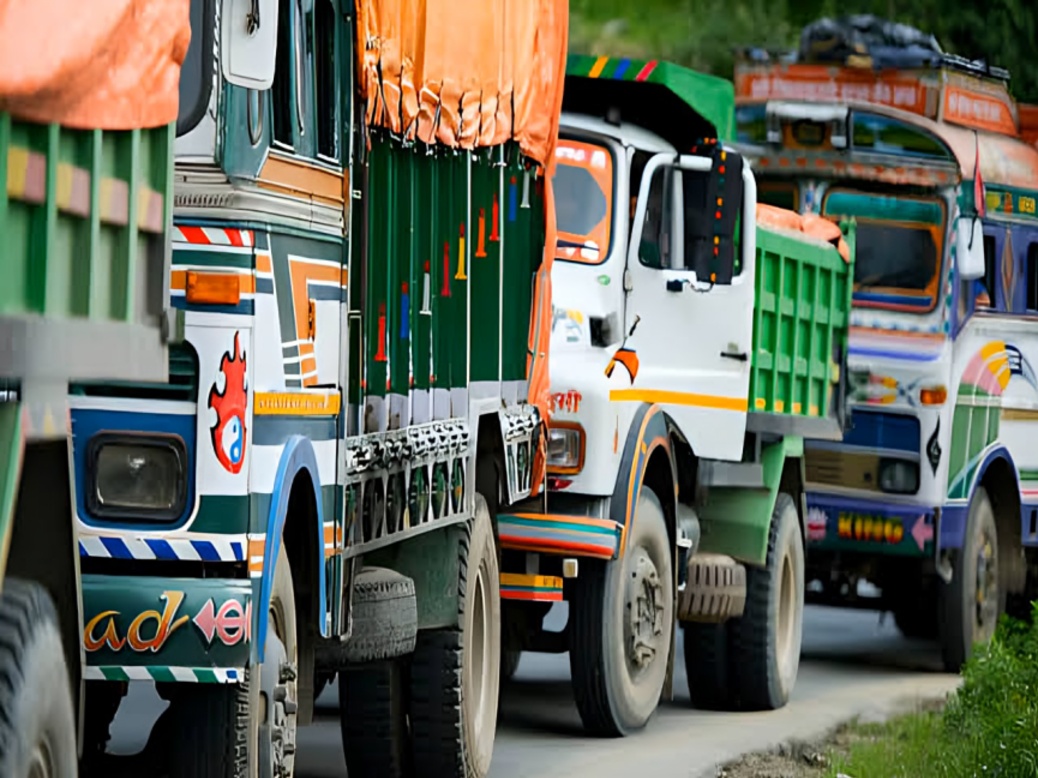
The central government has set a target of more than 25,000 registrations under the PARIVARTAN scheme by the end of October 2026 as part of efforts to replace ageing and polluting commercial vehicles operating in the Delhi NCR region.
The PARIVARTAN scheme was launched on July 14, 2026, with the objective of accelerating the replacement of older trucks and buses that meet Bharat Stage IV or earlier emission standards. These vehicles are being targeted for replacement with cleaner Bharat Stage VI compliant vehicles or electric vehicles.
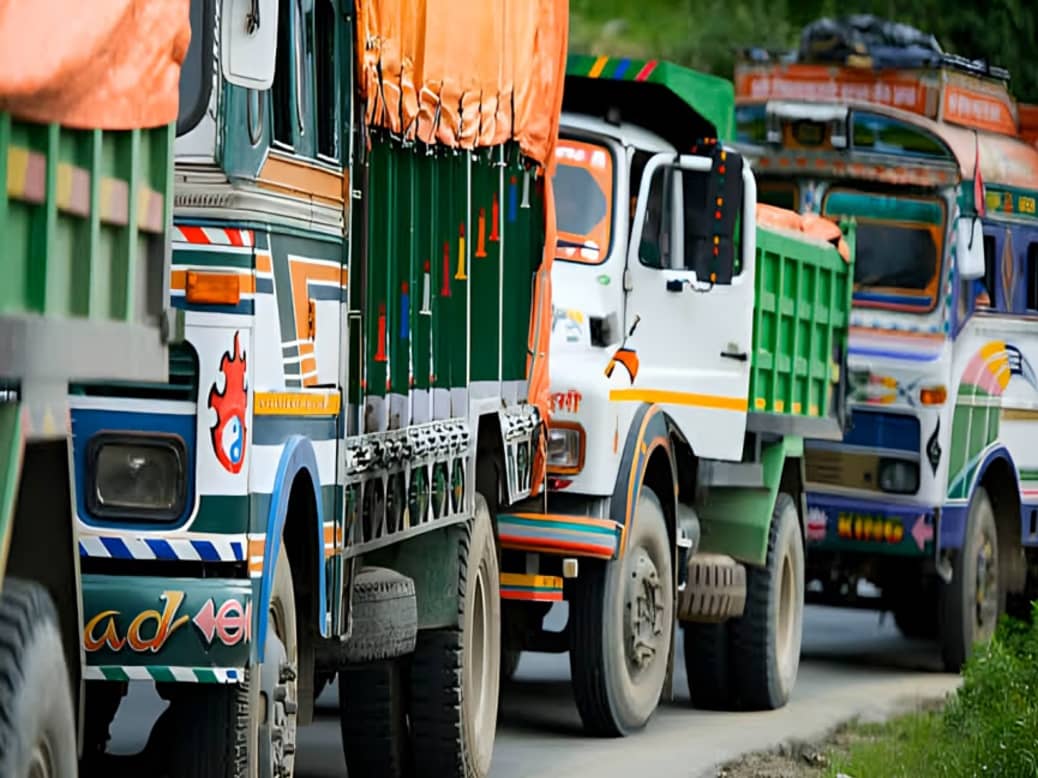
According to the Ministry of Road Transport and Highways, more than two lakh trucks and buses conforming to BS IV or earlier emission standards are registered in Delhi. The government expects the vehicle replacement programme to contribute to reducing transport-related air pollution across the National Capital Region.
As of August 28, around 1,450 beneficiaries had registered under the scheme since its launch. The government is now aiming to significantly increase participation and reach more than 25,000 registrations by the end of October.
The scheme provides a range of financial and regulatory incentives to encourage owners of eligible old commercial vehicles to replace them. These incentives are intended to reduce the financial burden involved in purchasing a new truck or bus.
One of the key benefits is a minimum eight per cent discount on the ex-showroom price of eligible replacement vehicles offered by participating vehicle manufacturers. In addition, the Central Government is providing a five per cent interest subvention on eligible vehicle loans for a period of five years.
Eligible beneficiaries can also receive concessions from participating state governments. Delhi, Haryana, Rajasthan and Uttar Pradesh have notified provisions for motor vehicle tax concessions and registration fee waivers for eligible vehicles under the scheme.
For eligible buyers choosing BS VI diesel or CNG replacement vehicles, the scheme also provides monthly fuel voucher support for five years. The value of the voucher varies according to the category of vehicle. Electric vehicle buyers can receive one-time financial assistance and other benefits under the scheme.
The government has also brought major vehicle manufacturers into the programme. Fifteen original equipment manufacturers have signed agreements with the Ministry of Road Transport and Highways to provide discounts for eligible replacement vehicles. The participating manufacturers together account for more than 95 per cent of the commercial truck and bus market, according to government information.
The participating manufacturers include major companies such as Ashok Leyland, Switch Mobility, Tata Motors, Mahindra and Mahindra, SML Mahindra, Daimler India Commercial Vehicles, Eicher Trucks and Buses, Force Motors, Pinnacle Mobility Solutions, Olectra Greentech and Montra Electric. Additional manufacturers have subsequently joined the programme.
The scheme has a total financial outlay of Rs 9,585 crore, including Rs 5,041 crore in Central Government support. It was approved by the Union Cabinet on June 3, 2026. The programme is being implemented through the National Capital Region Planning Board, with the Ministry of Road Transport and Highways playing a key role in its execution.
The main objective of PARIVARTAN is to accelerate the renewal of the commercial vehicle fleet in Delhi NCR. Older trucks and buses are considered an important source of transport-related emissions, particularly because many ageing vehicles operate with older emission standards.
By encouraging vehicle owners to replace these vehicles with cleaner alternatives, the government expects the scheme to contribute to improved air quality in the region. The programme also promotes the adoption of electric commercial vehicles as part of the transition towards cleaner mobility.
The scheme is being implemented through an integrated digital platform connected with vehicle registration and scrappage-related systems. The platform is designed to link systems such as VAHAN, V-Scrap, DigiELV and the Public Financial Management System, along with participating lenders and fuel voucher mechanisms. The government says this approach is intended to make the delivery of benefits more transparent and efficient.
Banks and non-banking financial companies are also involved in the programme to facilitate financing for vehicle replacement. According to the government, 42 banks and non-banking financial companies have been associated with the scheme to provide interest support on eligible vehicle loans.
The government expects increased awareness among vehicle owners to help accelerate registrations during the coming months. The target of 25,000 registrations by the end of October will require a substantial increase from the number recorded during the first month of the programme.
For commercial vehicle owners, the combination of manufacturer discounts, interest support, tax concessions, registration fee waivers and fuel-related incentives could reduce the overall cost of replacing older vehicles.
The programme is therefore being presented as both a vehicle fleet modernisation initiative and an environmental measure. By gradually replacing older trucks and buses with BS VI compliant and electric vehicles, the government aims to reduce emissions while supporting the transition towards cleaner commercial transport.
The success of the PARIVARTAN scheme will depend on the participation of eligible vehicle owners, availability of replacement vehicles, access to financing and effective implementation of the incentives. The government is now focusing on increasing registrations and ensuring that the benefits reach eligible commercial vehicle owners across Delhi NCR.
With more than two lakh older trucks and buses in the region, the long-term impact of the programme will depend on how many of these vehicles are ultimately replaced. The October registration target is therefore an important early milestone in the government's broader effort to modernise the commercial vehicle fleet and address air pollution in Delhi NCR.