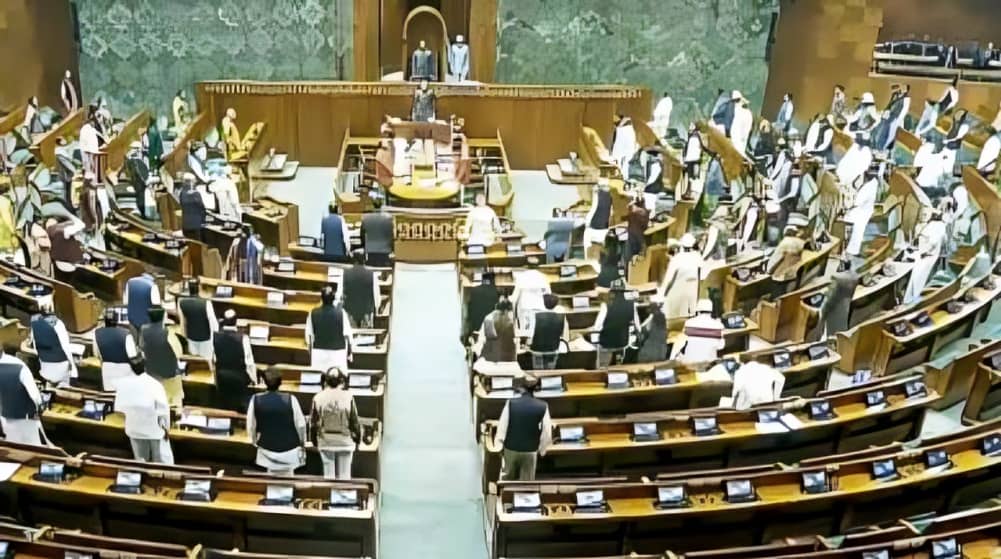
The parliamentary committee examining the Online News and Digital Media (O.N.O.E) Bill has decided to seek an extension to complete its review. The bill, aimed at regulating online news platforms and digital media content, has drawn attention from lawmakers, media organizations, and civil society due to its potential impact on press freedom, digital journalism, and social media oversight.
The committee’s decision to request additional time reflects the bill’s complexity and the need for comprehensive study. Lawmakers are engaging in extensive consultations with stakeholders, including representatives from media houses, technology firms, legal experts, and journalists’ associations. These discussions aim to understand the practical implications of the bill, balance regulatory oversight with freedom of expression, and ensure that the legislation is feasible and enforceable.
The O.N.O.E Bill seeks to introduce mechanisms for registration, content monitoring, and compliance requirements for online news and digital platforms. Provisions related to accountability, fact-checking, and the potential for penalties have generated debate among experts regarding the scope of government regulation and the protection of editorial independence. The parliamentary panel is carefully reviewing these provisions to recommend modifications, clarifications, or safeguards where necessary.
Committee members have noted that the evolving nature of digital media necessitates a nuanced approach, ensuring that regulations do not stifle innovation, legitimate reporting, or user-generated content. Legal experts are providing insights on constitutional aspects, potential conflicts with freedom of speech, and international best practices for digital media regulation.
The extension request also reflects the committee’s intent to solicit public input. Hearings with civil society organizations, advocacy groups, and industry stakeholders are being planned to gather diverse perspectives. These consultations are expected to inform the committee’s recommendations, ensuring that the bill addresses real-world challenges while protecting journalistic integrity and online expression.
Media organizations have expressed a mix of support and concern over the bill, with some acknowledging the need for accountability in online news, while others caution against excessive regulatory control. Technology companies operating digital news and social media platforms are also closely monitoring developments, particularly with regard to compliance requirements, content moderation policies, and legal liabilities.
Parliamentary analysts suggest that the extension is a prudent move, allowing the panel to deliberate thoroughly and produce a well-considered report for the legislature. Rushed deliberations could result in loopholes, implementation challenges, or unintended consequences for India’s rapidly growing digital news ecosystem.
Once the committee completes its extended review, it is expected to submit recommendations to Parliament, which may include revisions to specific provisions, additional safeguards, or proposals for phased implementation. The government has reiterated its commitment to balancing regulatory oversight with the principles of free speech and press freedom in the digital era.
The decision to seek an extension underscores the significance of the O.N.O.E Bill and the importance of thoughtful legislative scrutiny, given its potential to shape the future of digital journalism, media accountability, and online content regulation in India.