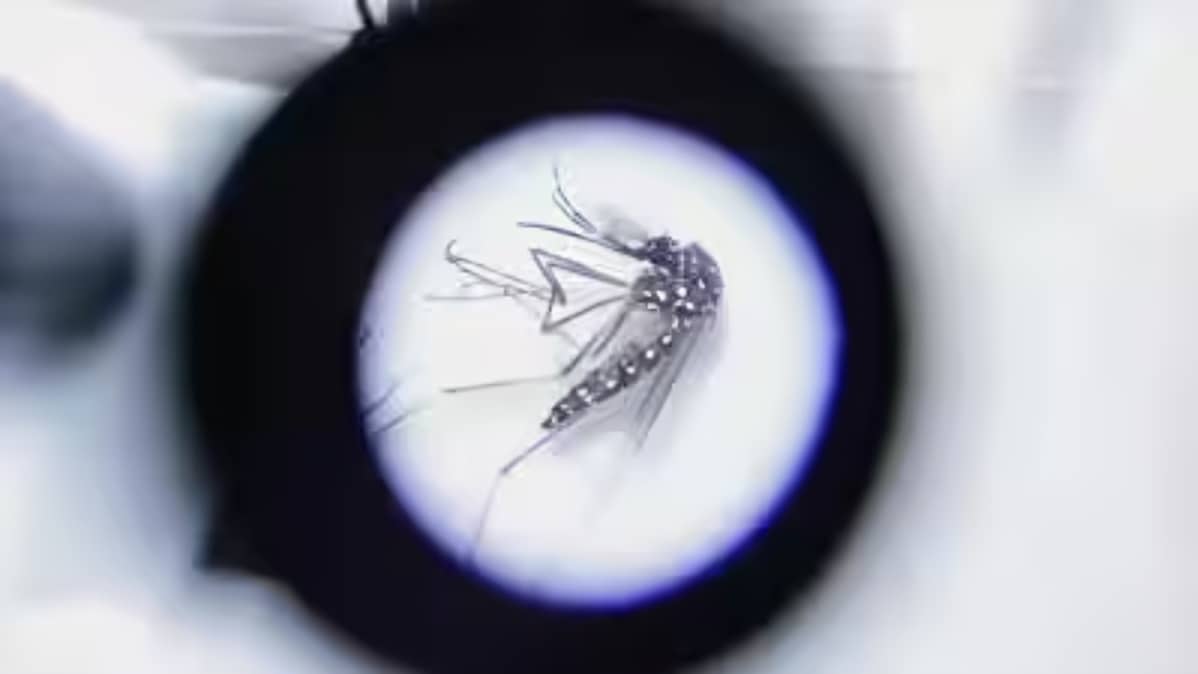
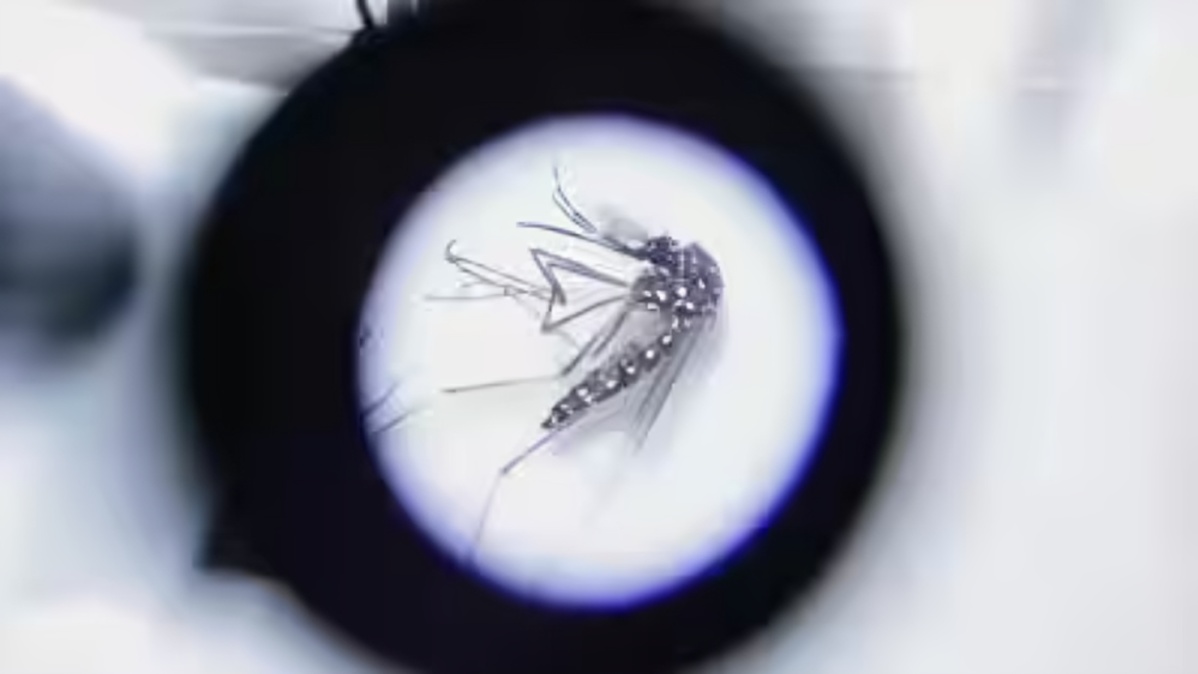
A Parliamentary Standing Committee on Health and Family Welfare has raised concerns over the changing pattern and geographical spread of vector borne diseases in Northeast India. The committee has pointed to climate change, deforestation, unplanned urbanisation, changing rainfall patterns, rising temperatures and inadequate drainage as factors that could create favourable conditions for mosquitoes and other disease carrying vectors.
The committee presented its 175th Report titled A Study of Vector Borne Diseases in North East India on August 7, 2026. The report examined diseases including dengue, chikungunya, malaria and Japanese encephalitis, while focusing on the specific public health challenges faced by the northeastern states. The committee made a series of recommendations aimed at improving surveillance, healthcare infrastructure, research, prevention and disease control.
The panel observed that the Northeast has several geographical and environmental characteristics that can make disease monitoring difficult. Mountainous terrain, remote settlements, changing weather conditions and gaps in healthcare access can affect the ability of authorities to identify outbreaks quickly and respond effectively.
Climate and environmental changes were identified as important factors influencing the spread of vector borne diseases. Changes in temperature and rainfall can affect mosquito breeding patterns and may allow vectors to survive or move into areas where they were previously less common. Deforestation and changes in land use can also alter ecosystems and increase interactions between people, animals and disease carrying vectors.
Rapid urbanisation is another concern highlighted by the committee. Unplanned development, inadequate drainage, poor waste management and water storage practices can create stagnant water sources where mosquitoes can breed. As cities and towns expand, these conditions can increase the risk of dengue and chikungunya transmission, particularly during periods of favourable weather.
The available data illustrates the scale of the dengue challenge in the region. Reported dengue cases increased from 142 in 2014 to 19,761 in 2023. The number declined to 7,186 in 2024. The report also recorded 1,524 cases during the first eight months of 2025. Because the 2025 figure covers only part of the year, it should not be directly compared with the full year figures for 2023 and 2024.
Chikungunya has also shown an increase. Reported cases in the Northeast rose from 3,493 in 2023 to 3,991 in 2024, representing an increase of approximately 14.3 percent. The committee noted that dengue and chikungunya are becoming increasingly important urban health concerns because of population movement, urban growth, water storage and waste management problems.
The burden is not evenly distributed across the northeastern states. Sikkim recorded 374 dengue cases in 2024, with an incidence of 57.9 cases per lakh based on the state's revised population estimate. Sikkim also reported 1,863 chikungunya cases, corresponding to an incidence of 291.2 cases per lakh. These figures demonstrate why disease surveillance needs to consider local conditions rather than relying only on broad regional assessments.
Malaria presents a somewhat different picture. The committee noted improvements in malaria control in several areas, while some districts have reported sustained reductions in indigenous malaria transmission. Sixteen districts in Arunachal Pradesh and six districts in Nagaland were reported to have recorded zero indigenous malaria cases for three consecutive years. However, the panel stressed that continued surveillance remains important because environmental and population changes can alter disease patterns.
Japanese encephalitis remains another concern, particularly in Assam and other parts of the Northeast. The disease has ecological links involving mosquitoes, animals and human populations. The committee therefore recommended stronger approaches that take environmental, animal and human health factors into account.
One of the major recommendations is the use of technology to improve disease surveillance. The committee has called for stronger real time reporting systems and suggested establishing a dedicated Northeast vector surveillance portal or publishing a North East Vector Surveillance Bulletin before and after the monsoon season.
The panel has also recommended the use of artificial intelligence based early warning systems to identify potential disease hotspots. Machine learning could also be explored for identifying disease carrying vectors from images submitted by citizens. These measures could help authorities detect emerging risks earlier and target preventive action in vulnerable locations.
Another recommendation involves improving communication with communities. The committee suggested mobile applications and helplines in local languages, along with two way SMS based follow up. Such systems could be particularly useful in remote and rural areas where access to healthcare facilities and reliable communication can be limited.
The shortage of trained entomologists was also identified as a concern. Entomologists play an important role in identifying disease carrying insects, monitoring vector populations and designing effective control measures. The committee recommended speeding up recruitment of qualified specialists and establishing a North Eastern Regional Entomology Training Hub. It also recommended expanding the network of viral research and diagnostic laboratories in the region.
The committee has also called for stronger coordination between states and neighbouring countries. The Northeast shares international borders with Bangladesh, Bhutan and Myanmar, and population movement across borders can influence the transmission of infectious diseases. The panel recommended establishing a cross border coordination mechanism for vector borne diseases.
The report also highlights the challenges faced by tribal and remote communities. Limited healthcare infrastructure, irregular health reporting and delayed outbreak detection can make it difficult to identify emerging disease clusters. The committee recommended door to door surveillance, awareness campaigns and stronger support for frontline health workers.
The broader strategy recommended by the committee includes combining environmental management, chemical and biological control measures, vaccination research, surveillance and community participation. The panel has also recommended developing indigenous vaccines for diseases such as dengue and chikungunya and strengthening international collaboration in vaccine development.
The report does not suggest that every increase in disease cases is caused by climate change alone. Instead, it identifies climate and environmental changes as part of a wider combination of factors that includes urbanisation, population movement, healthcare gaps and local practices.
The committee's recommendations are aimed at creating a more region specific approach to disease prevention. Rather than applying identical strategies across all states, the panel has called for measures that account for local geography, climate, population patterns and healthcare capacity.
The findings underline the importance of preparing for changes in disease transmission patterns before outbreaks become widespread. Better surveillance, faster laboratory testing, trained personnel, improved drainage and waste management and stronger public awareness can all contribute to reducing the risk.
The Parliamentary Standing Committee's report therefore places vector borne diseases in Northeast India within a broader public health and environmental context. With dengue and chikungunya showing significant case numbers and other diseases such as malaria and Japanese encephalitis continuing to require monitoring, the committee has called for coordinated and technology driven action across the region.