

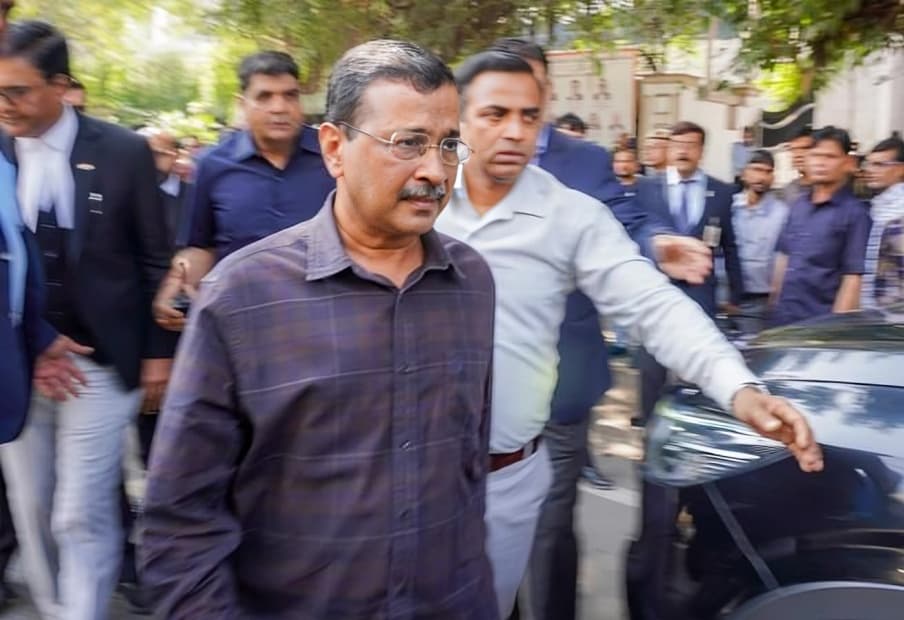
Congress spokesperson Pawan Khera has strongly criticized the Bharatiya Janata Party following the discharge of former Delhi Chief Minister Arvind Kejriwal and former Deputy Chief Minister Manish Sisodia in the Delhi excise policy case. The court ruling, which cleared both Aam Aadmi Party leaders of all charges, has triggered a sharp political response, with Khera alleging that the BJP has repeatedly used central investigative agencies as campaign tools to target opposition leaders. Describing the ruling party as an “Icchadhari Naag,” Khera accused BJP of practicing governance through vendetta, manipulating legal processes for political advantage, and undermining the democratic system.
Khera’s remarks were made amid heightened political tensions in the national capital, where opposition leaders have consistently alleged misuse of central agencies to harass political adversaries. He stressed that the discharge is a vindication of Kejriwal and Sisodia’s integrity and demonstrates that attempts to tarnish reputations through politically motivated investigations can fail under judicial scrutiny. Khera also called on citizens and political stakeholders to recognize the dangers of weaponizing investigative agencies for electoral gains, arguing that such practices erode public trust in governance institutions.
Former Deputy CM Manish Sisodia welcomed the court’s decision, calling it a significant victory against a broader conspiracy aimed at discrediting the Aam Aadmi Party leadership. Sisodia noted that the ruling reaffirmed the principles of fairness and accountability, highlighting that the judiciary had upheld justice in a case entangled in political narratives. However, he cautioned that the case was not entirely closed, as the Central Bureau of Investigation has announced its intention to challenge the discharge in the Delhi High Court, indicating that legal proceedings may continue for some time.
Political analysts suggest that Khera’s statements reflect the broader opposition strategy of framing BJP as overreaching in its use of administrative and investigative powers. This narrative is likely to resonate with voters in Delhi and beyond, particularly ahead of upcoming state and national elections, as opposition parties highlight concerns of political interference and bias in investigations. The comments also underscore the intensifying rivalry between the BJP and AAP, with Congress positioning itself as a vocal supporter of judicial outcomes that clear political leaders from allegations perceived as motivated.
Observers note that the discharge and subsequent political reactions illustrate the complex intersection of law, politics, and governance in India. While the judicial system upholds legal principles, the political discourse around these cases significantly influences public perception and electoral dynamics. Khera’s criticism of BJP as an “Icchadhari Naag” has become a focal point in discussions about fairness, political ethics, and the independence of investigative agencies, reinforcing the continuing debate over the role of politics in law enforcement.


