A political controversy has emerged in Jammu and Kashmir after the Peoples Democratic Party raised concerns over the alleged removal of Urdu from certain official records. The party has accused the government led by Chief Minister Omar Abdullah of taking steps that could impact the status of Urdu, which has historically held significance in the region’s administration and cultural identity.
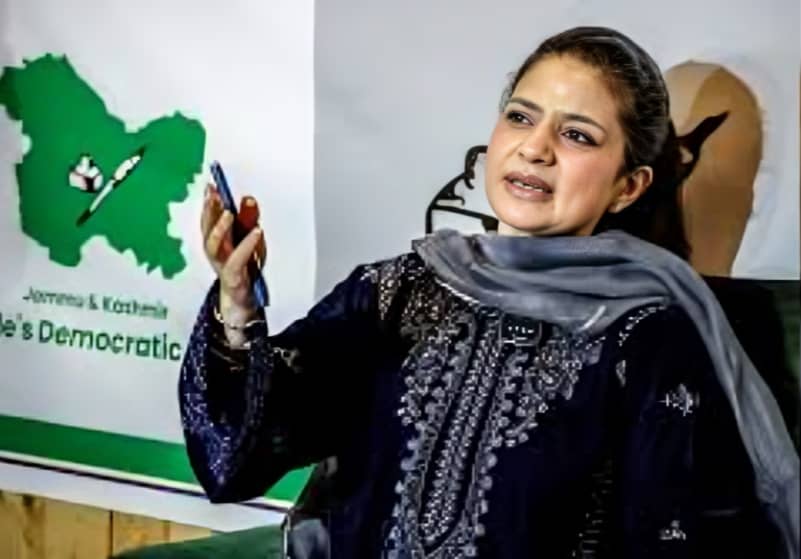
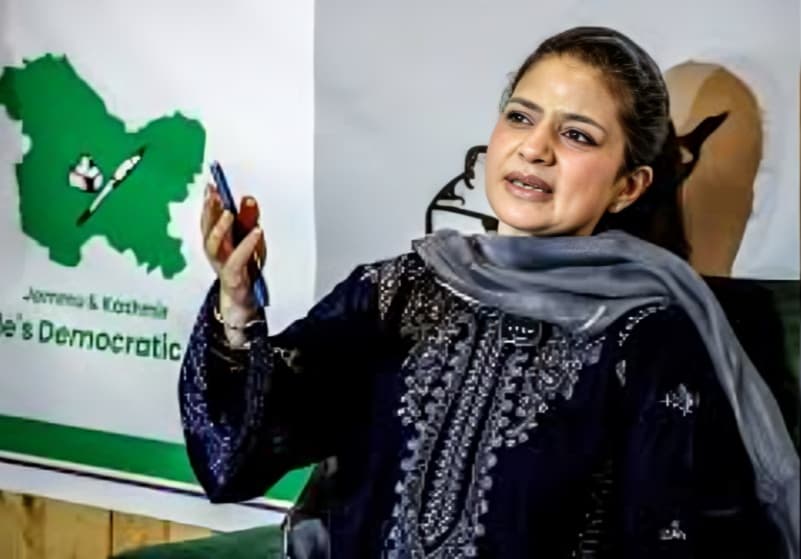
PDP leader Iltija Mufti publicly expressed her concerns, stating that the move appears to be an attempt to reduce the presence of Urdu in official communication. According to her, such actions could gradually diminish the language’s role in governance and public life. She also emphasized that Urdu has long been associated with the administrative and cultural framework of Jammu and Kashmir.
The allegations are based on two recent notifications reportedly issued by the revenue department. These documents are said to have limited or excluded the use of Urdu in certain official processes. The PDP has argued that such changes, if implemented widely, may alter established practices that have been in place for decades.
Urdu has historically been used as an official language in Jammu and Kashmir, alongside other recognized languages. It has played a key role in administrative records, legal documents, and communication between the government and the public. Any perceived shift away from its usage is likely to draw attention from political parties, cultural groups, and language advocates.
The government has not yet released a comprehensive statement addressing the specific allegations made by the PDP. However, officials are expected to clarify the intent behind the notifications and whether there has been any formal policy change regarding language use in official records. It remains to be seen whether the notifications represent a broader shift or are limited to specific administrative contexts.
Political observers note that language policies often carry both administrative and cultural implications. Changes in official language usage can affect accessibility for citizens, particularly in regions where certain languages are widely understood and used. As a result, such decisions are often closely examined by stakeholders across different sectors.
The issue has sparked a wider discussion about the role of regional languages in governance. Supporters of maintaining Urdu’s prominence argue that it is an integral part of Jammu and Kashmir’s heritage. On the other hand, some believe that administrative changes may be aimed at streamlining processes or incorporating additional languages to improve accessibility.
As the debate continues, there are calls for greater transparency and consultation in decisions related to language policy. Political parties and civil society groups are likely to seek further clarification from the government to understand the scope and impact of the reported changes.
The situation highlights the sensitivity of language related issues in a diverse region like Jammu and Kashmir. The final outcome will depend on the government’s response and any subsequent actions taken to address the concerns raised.