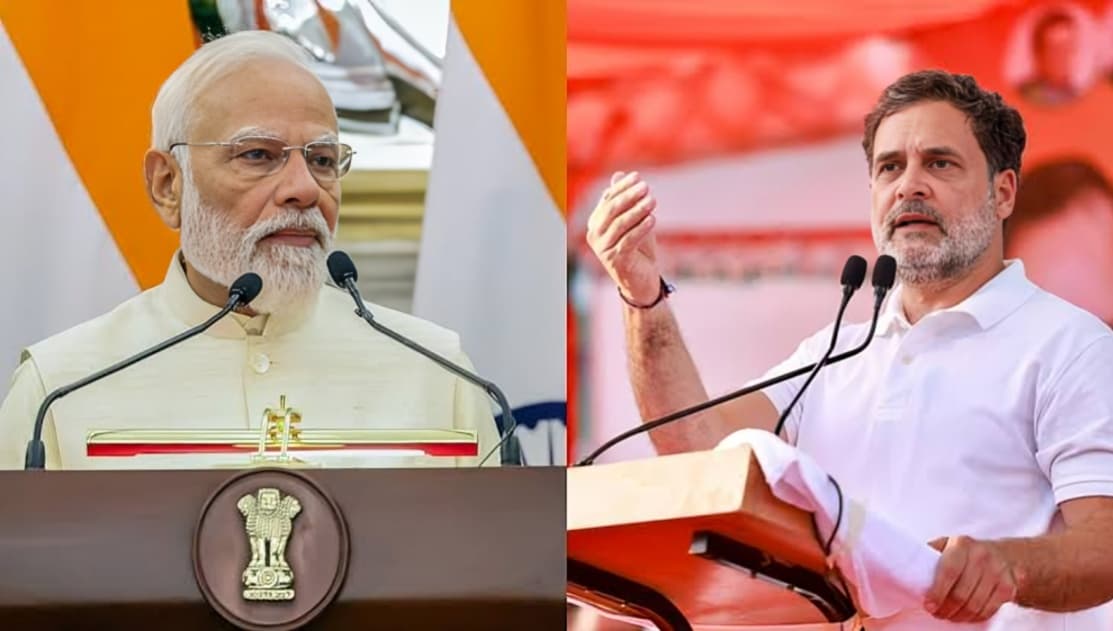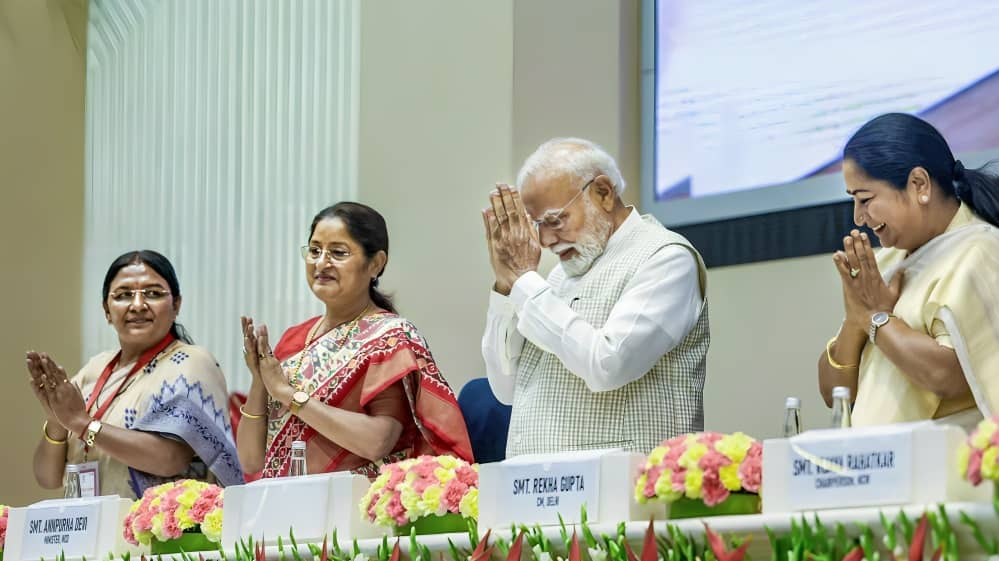
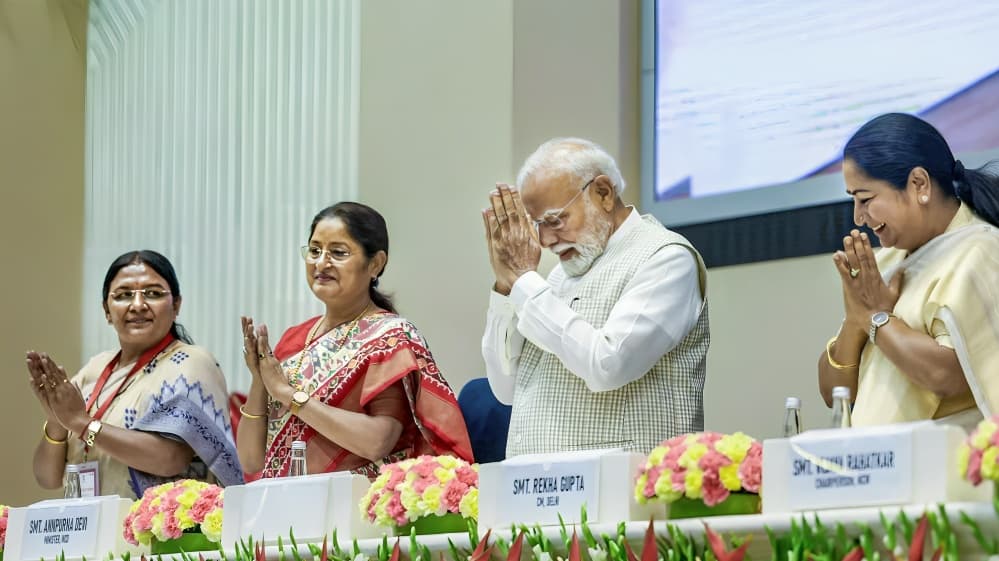
Prime Minister Narendra Modi has said that India is ready to take a historic step towards women’s empowerment as the country prepares for a special session of Parliament. Speaking ahead of the session, he described the implementation of women’s reservation in legislative bodies as a major milestone in strengthening democratic participation and inclusion.
The upcoming session is expected to focus on key legislative proposals, including the implementation of women’s reservation in the Lok Sabha and state assemblies. The move is aimed at increasing the participation of women in politics and ensuring greater representation in decision making institutions.
The proposal has received broad political attention, with several parties expressing support for the objective of enhancing women’s representation. The Congress party has backed the idea in principle but has also raised concerns about the need to ensure that representation for Other Backward Classes, Dalits and Adivasi communities is not affected by the implementation of the reservation policy.
Congress leaders have called for clarity on how the reservation will be applied and whether additional safeguards will be included to protect existing social justice frameworks. They have also emphasised the importance of conducting a caste census to provide updated data that could guide equitable representation across communities.
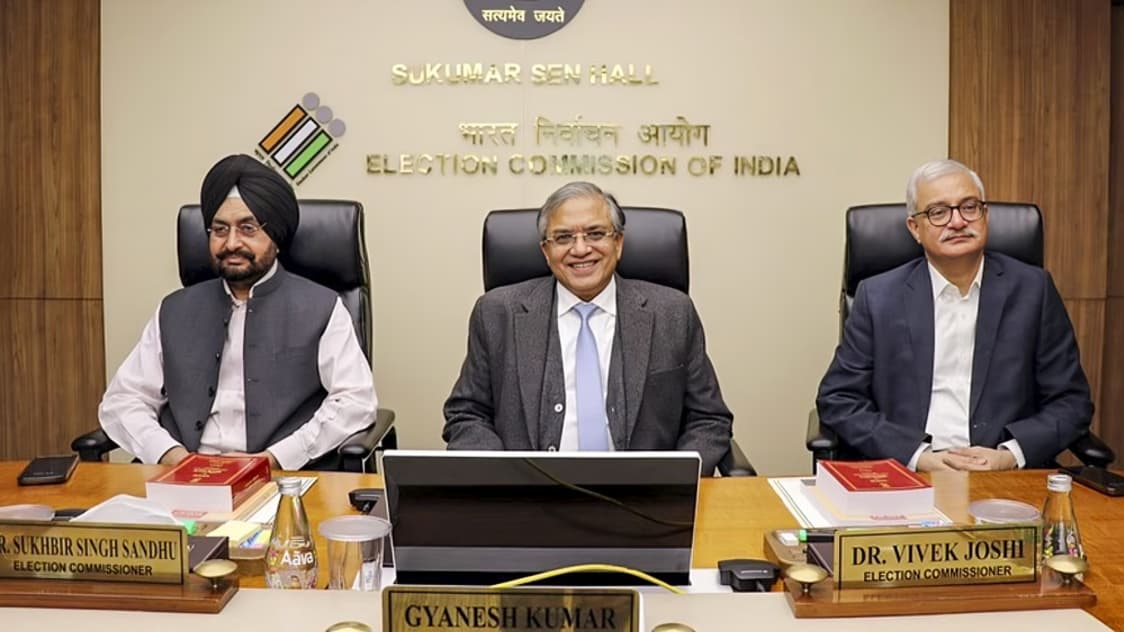
The debate around women’s reservation has also become linked with discussions on delimitation. Delimitation refers to the process of redrawing constituency boundaries based on population changes. Some opposition leaders have expressed concerns that linking reservation with delimitation could have broader political implications, particularly in terms of seat distribution among states.
The government, however, has maintained that the reforms are part of a larger effort to modernise India’s electoral system and ensure fair representation. Officials have indicated that the implementation of women’s reservation will take place after the next delimitation exercise, which is expected to align constituencies with current demographic data.
Political analysts believe that while there is general agreement on the importance of increasing women’s participation in politics, differences remain regarding the method and timing of implementation. The inclusion of related issues such as caste census and delimitation has added complexity to the discussions.
The special session of Parliament is expected to witness detailed debates on these topics, with both the ruling government and opposition parties presenting their perspectives. The outcome of these discussions could shape the future of electoral representation and social inclusion in India.
The Prime Minister’s remarks highlight the government’s intent to move forward with the proposed reforms, positioning women’s reservation as a key step in the country’s democratic evolution. At the same time, the concerns raised by opposition parties indicate that consensus building will be essential for the smooth passage and implementation of these measures.
The developments in the upcoming session are likely to have long term implications for political representation, gender equality, and the broader structure of India’s democratic institutions.