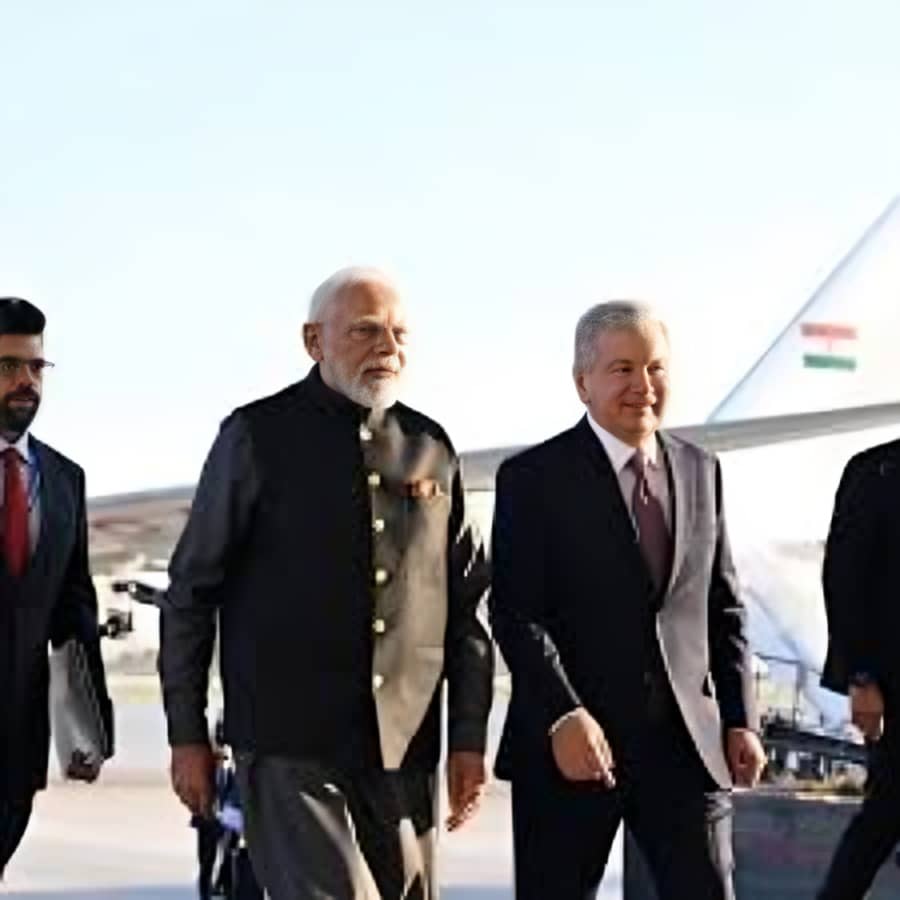
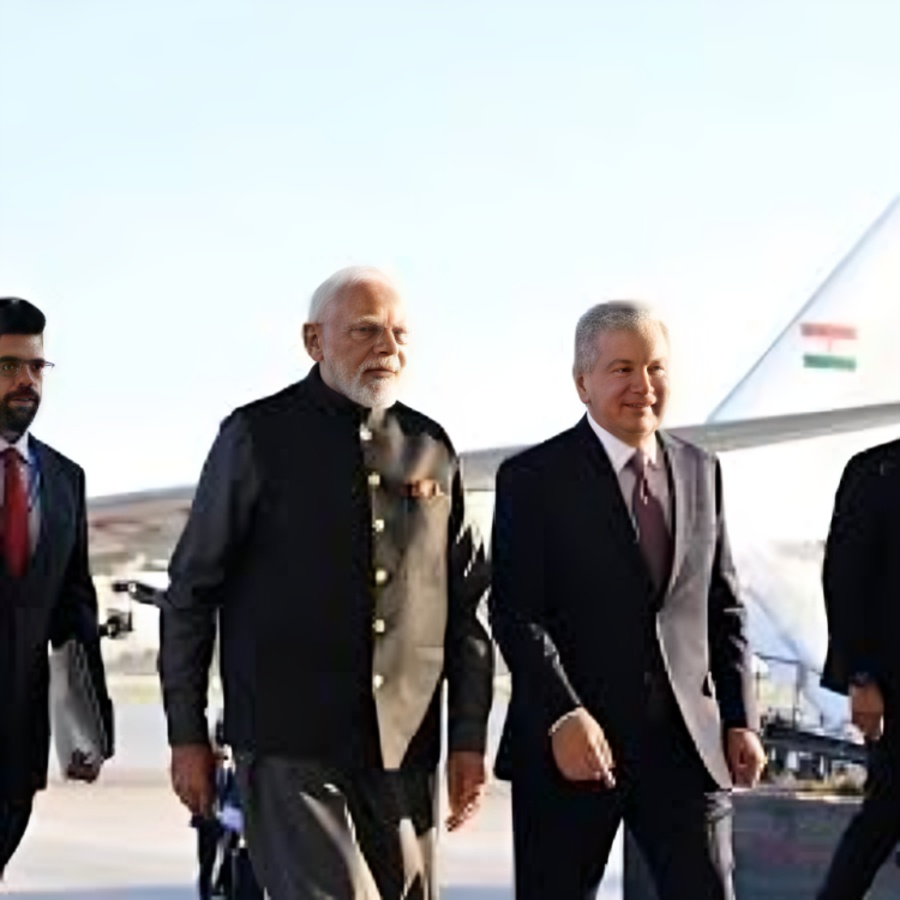
Prime Minister Narendra Modi’s ongoing visit to Central Asia has highlighted the growing strategic, economic and diplomatic importance of the region for India. His engagements in Uzbekistan and the Kyrgyz Republic are taking place at a time when Central Asia is gaining greater significance in global geopolitics.
Modi began his four day Central Asia visit with a state visit to Uzbekistan, followed by his participation in the Shanghai Cooperation Organisation summit in Bishkek, the capital of the Kyrgyz Republic. The visit is aimed at strengthening India’s relations with Central Asian countries and expanding cooperation in areas including trade, investment, security, connectivity and technology.
During his meeting with Uzbek President Shavkat Mirziyoyev, India and Uzbekistan agreed to deepen their bilateral partnership. The two countries have also agreed to elevate their relationship to a comprehensive strategic partnership, reflecting the expanding scope of cooperation between the two nations.
One of the most significant diplomatic developments from the visit was Uzbekistan’s reaffirmation of support for India’s candidature for permanent membership of the United Nations Security Council. The issue is important for India’s broader foreign policy objective of securing a greater role in global decision making.
India and Uzbekistan also called for comprehensive reform of the United Nations, including the Security Council. According to the joint statement issued after the leaders’ meeting, the two countries believe that the United Nations should reflect contemporary global realities and become more representative, effective and efficient in addressing international peace and security issues.
The call for Security Council reform has been a longstanding priority for India. New Delhi has argued that the existing structure does not adequately reflect the current distribution of global economic and political influence. India has also pointed to its large population, growing economy, contributions to United Nations peacekeeping and long-standing participation in multilateral diplomacy as reasons for seeking a permanent role.
Uzbekistan’s support therefore carries diplomatic significance for India as it seeks greater backing from countries across different regions. Support from Central Asian nations can strengthen India’s broader diplomatic outreach and reinforce its position in discussions concerning reform of the United Nations system.
The Central Asia visit also has an important economic dimension. India and Uzbekistan have discussed expanding trade and investment ties, with both sides aiming to increase bilateral trade substantially in the coming years. Cooperation is also being strengthened in areas such as digital technology, energy, healthcare, defence and connectivity.
Security cooperation is another major component of India’s engagement with Uzbekistan. The two countries have agreed to strengthen cooperation against terrorism and enhance coordination through existing mechanisms. Both sides have also emphasised the importance of regional stability and closer cooperation in international forums.
Central Asia has become increasingly important to India because of its location between major economic and geopolitical powers. The region is also relevant to India’s interests in energy security, trade routes, connectivity and counterterrorism. Strengthening relations with countries such as Uzbekistan and Kyrgyzstan allows India to expand its diplomatic and economic presence in a strategically important part of Eurasia.
The visit also comes ahead of India’s participation in the Shanghai Cooperation Organisation summit in Bishkek. The SCO provides India with a platform to engage with major regional powers, including Russia, China and Central Asian states, on issues such as security, terrorism, economic cooperation and regional connectivity.
India’s engagement with Central Asia is therefore not limited to bilateral relations. It is part of a wider diplomatic strategy aimed at strengthening partnerships across the region while increasing India’s role in multilateral institutions.
The latest developments in Uzbekistan have provided India with an important diplomatic boost, particularly through Tashkent’s renewed support for India’s permanent UNSC membership bid. At the same time, the joint call for United Nations reform demonstrates that both countries share an interest in making international institutions more representative.
As Modi continues his Central Asia engagements, discussions on security, economic cooperation, connectivity and multilateral diplomacy are expected to remain central to India’s regional strategy. The outcome of these engagements could further shape India’s relationship with Central Asia and its efforts to secure stronger support for its priorities on the global stage.