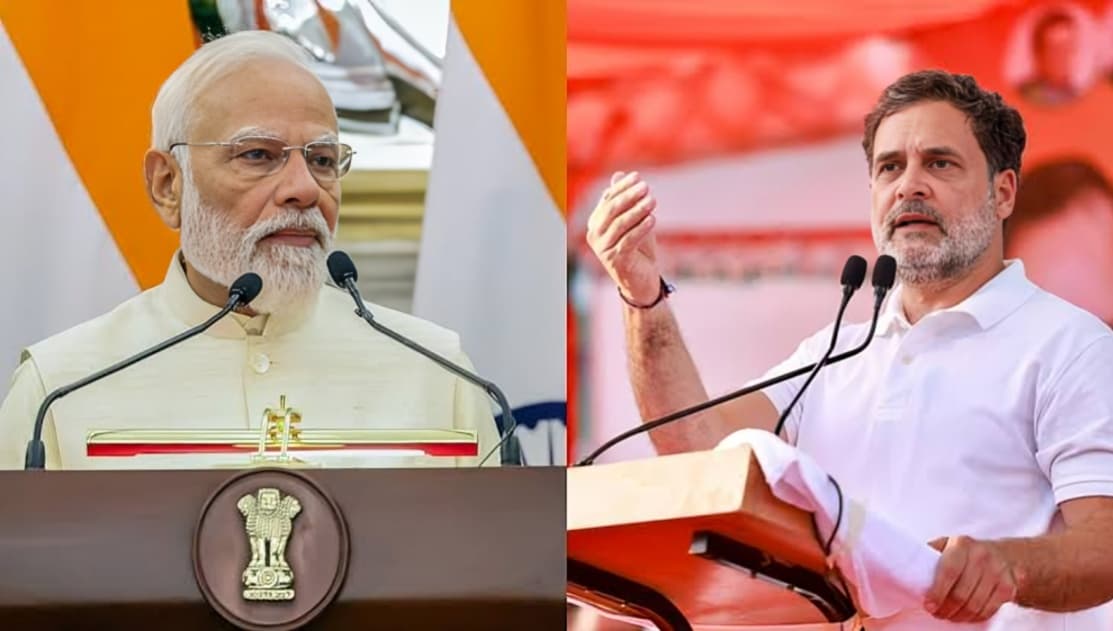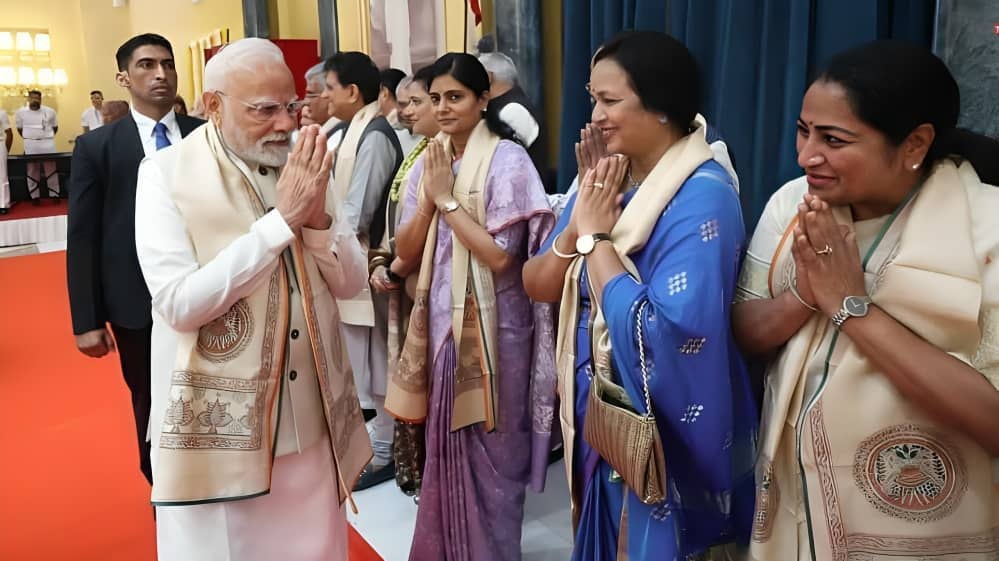
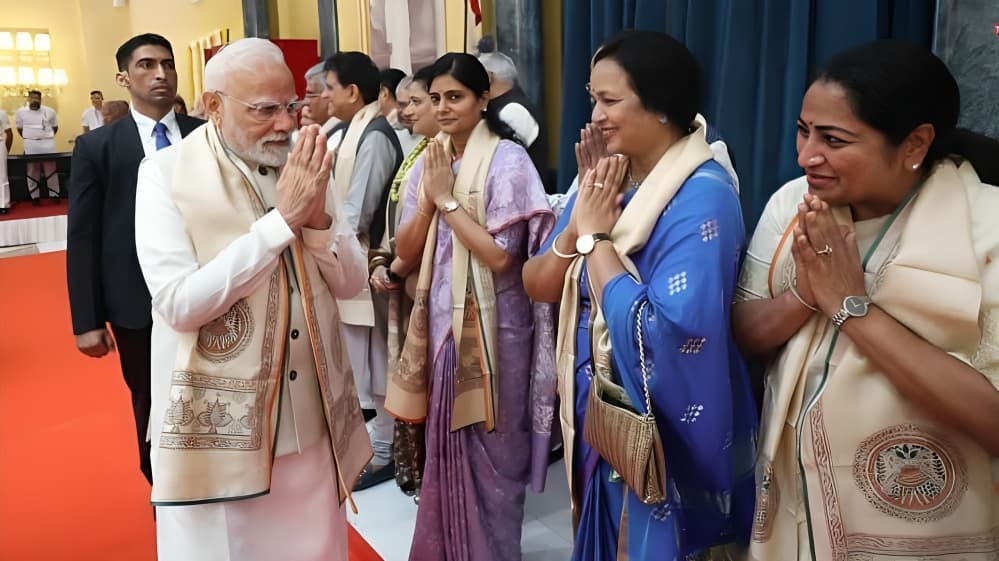
Narendra Modi has stated that he is willing to give full credit to the Opposition for the women’s reservation bill, describing his approach as open and inclusive while urging all parties to recognise the importance of the legislation. His remarks were made during a heated political discussion in Parliament, where the bill is being examined alongside broader issues of electoral reform.
The Prime Minister emphasised that the women’s reservation initiative is a landmark step aimed at improving representation of women in legislative bodies. He described it as a historic moment in India’s democratic journey and encouraged political parties to move beyond differences to support the bill.
His statement comes amid ongoing debates between the ruling party and Opposition over the linkage of the women’s reservation bill with delimitation, the process of redrawing electoral constituencies based on population data. Opposition leaders have raised concerns that combining these issues could impact representation and create long term political and regional imbalances.
The discussion has also brought attention to wider electoral reform issues, including the demand for a caste based census and the need for transparent data in implementing reservation policies. Opposition parties argue that without updated demographic data, it may be difficult to ensure fair and balanced representation across different social groups.
Supporters of the bill, however, maintain that the focus should remain on increasing women’s participation in politics. They argue that reservation for women in legislative bodies will help bring greater diversity in decision making and strengthen democratic institutions.
The Prime Minister’s remarks about sharing credit with the Opposition are seen as an attempt to build consensus on a sensitive and long pending issue. The women’s reservation bill has been discussed for several years and is considered one of the most significant proposed reforms in India’s political framework.
Political analysts note that such statements are part of broader efforts to reduce friction and encourage bipartisan support for key legislative measures. However, the ongoing debate indicates that differences remain on how and when the bill should be implemented.
The issue has also drawn public attention, with various stakeholders including civil society groups and policy experts highlighting the importance of ensuring effective implementation. They stress that while the bill is a positive step, its success will depend on clear guidelines and a transparent process.
As discussions continue in Parliament, the focus remains on whether political parties can reach a consensus on the bill and related electoral reforms. The outcome is expected to have long term implications for representation and the structure of legislative bodies in India.
Overall, the debate reflects the complexity of balancing political considerations with social reform objectives. The women’s reservation bill continues to be a central issue in India’s ongoing political discourse.