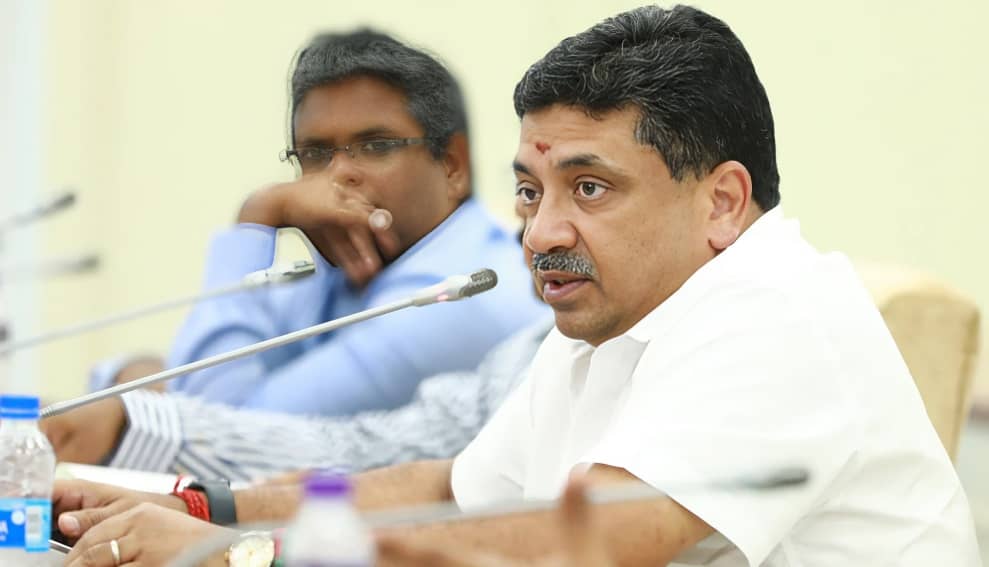
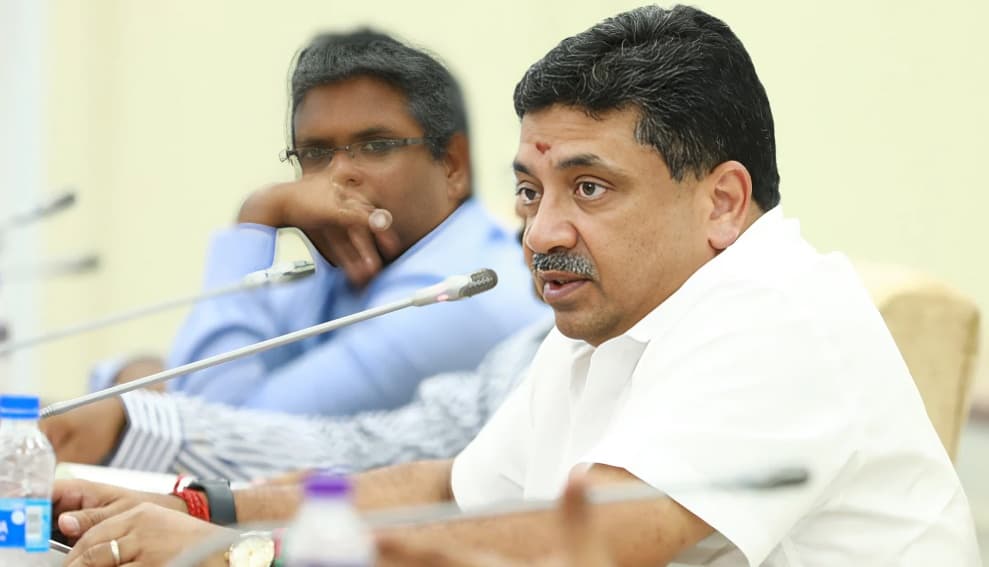
Tamil Nadu Information Technology Minister Palanivel Thiaga Rajan has outlined the Dravida Munnetra Kazhagam party’s political strategy ahead of upcoming elections, stating that the party is focusing its attention primarily on the Bharatiya Janata Party rather than regional rivals.
Speaking about the political landscape in Tamil Nadu, Rajan said that the DMK is positioning itself in opposition to the BJP as it believes the national party is attempting to shape the political narrative in the state. He explained that the DMK’s campaign will address issues that it considers critical to Tamil Nadu’s identity, governance, and autonomy.
One of the key concerns raised by Rajan is the issue of language policy, particularly what he described as the imposition of Hindi. He stated that Tamil Nadu has historically opposed compulsory Hindi and continues to support linguistic diversity and regional identity. According to him, any move that undermines this principle is likely to face resistance from the state.
Rajan also spoke about the sustainability of welfare schemes, which have been a major component of Tamil Nadu’s governance model. He emphasized that welfare programs must be financially viable in the long term and should be implemented with careful planning to ensure they continue to benefit citizens without placing excessive strain on state resources.
In addition to policy concerns, Rajan criticized what he described as attempts by the central government to centralize power and influence state level decision making. He argued that such actions could weaken the federal structure of the country and reduce the autonomy of states. He stressed that federalism is a fundamental aspect of India’s governance system and must be preserved to ensure balanced development across regions.
He further highlighted the importance of protecting state rights, stating that states should have the authority to design policies that reflect their unique social and economic conditions. Rajan suggested that greater cooperation between the centre and states is necessary, but it should be based on mutual respect and constitutional principles.
At the same time, the minister expressed disappointment with certain administrative processes within Tamil Nadu. He pointed out that there is a need for improvements in governance mechanisms to ensure more efficient implementation of policies and better service delivery to the public.
The statements come at a time when political activity is increasing in Tamil Nadu, with parties preparing their strategies and messaging for the upcoming elections. The DMK’s focus on national issues alongside regional concerns indicates an effort to broaden the scope of political debate in the state.
Political observers note that the emphasis on federalism, language policy, and welfare sustainability reflects long standing themes in Tamil Nadu politics. These issues are likely to remain central to campaign discussions as parties seek to connect with voters and address their concerns.
As the election approaches, further statements from political leaders and parties are expected, contributing to an evolving political narrative in the state.