
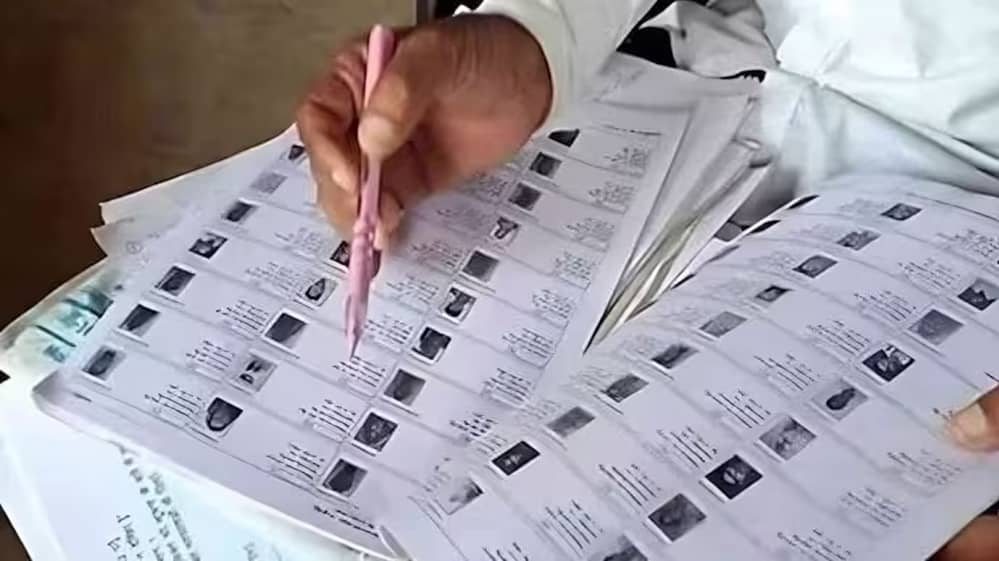
Nine municipal corporations across Maharashtra’s Mumbai Metropolitan Region are heading to elections, with local residents focused on pressing civic issues that directly affect daily life. Rapid urbanization has led to an increasing population, putting significant pressure on infrastructure, public services, and essential amenities. Voters are particularly concerned about pollution, housing shortages, irregular water supply, sanitation, and the challenges of commuting in a congested city. These concerns are shaping electoral decisions, as candidates seek to demonstrate their ability to manage urban growth effectively.
Rapid urban expansion has created a complex scenario for civic authorities. Mumbai and surrounding municipalities face traffic congestion, inadequate public transport, and frequent water shortages in several wards. Open spaces and green belts are shrinking, while waste management remains a major challenge. Residents are demanding concrete solutions to these problems, including modernized infrastructure, efficient water distribution, improved sanitation systems, and better public transport connectivity. Environmental concerns such as air and water pollution are also high on the public agenda, as citizens look for sustainable approaches to urban living.
Political parties campaigning for the upcoming polls are focusing on promises to improve civic amenities and service delivery. Some parties are emphasizing housing initiatives and affordable housing projects to address the growing demand. Others are highlighting public transport improvements, including metro expansion, bus services, and better traffic management systems. Sanitation and waste management projects are being proposed to enhance urban hygiene, alongside tree-planting drives and initiatives to protect remaining green spaces.
Experts note that these elections are crucial for gauging public satisfaction with local governance. Residents often measure candidates not just on party loyalty but on practical solutions to civic problems affecting their day-to-day life. Accountability, transparency, and timely implementation of civic projects are expected to be key voter priorities. Candidates who can address both immediate service gaps and long-term sustainable development are likely to gain public trust.
Civic authorities face the dual challenge of managing ongoing urban pressures while planning for future growth. With Mumbai region’s population continuing to rise, infrastructure planning, environmental conservation, and service delivery must go hand in hand. Voters are increasingly aware of how effective local governance can directly impact health, safety, and overall quality of life, making these polls a critical benchmark for municipal leadership.
As election day approaches, residents and political observers are watching closely to see which candidates can convincingly demonstrate solutions for Mumbai’s civic challenges. The outcome will not only reflect public sentiment on immediate issues but also the confidence in long-term urban planning and sustainable development strategies in the metropolitan region.


