
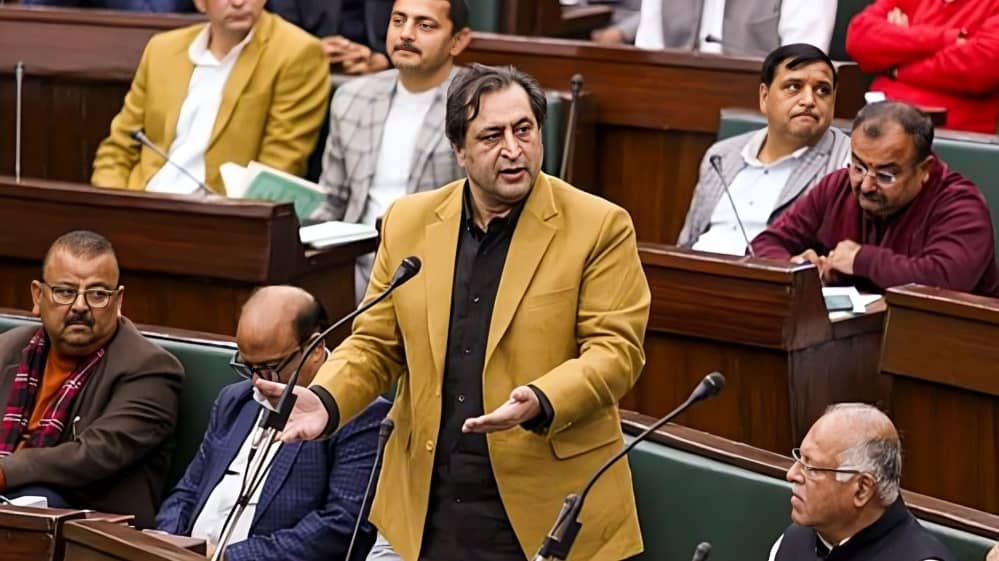

Jammu and Kashmir Peoples Conference chief Sajad Lone has voiced strong criticism of the police verification process for government and public sector jobs in the region, describing it as a form of collective punishment for young aspirants. According to Lone, the current system penalizes individuals for the alleged actions of family members, depriving qualified youth of employment opportunities and hampering their professional growth.
Speaking at a public forum, Lone highlighted several instances where applicants were disqualified due to family backgrounds rather than personal conduct. He emphasized that denying employment on such grounds is not only unjust but also counterproductive, as it discourages talented youth from pursuing careers in public service or other professional fields. The politician argued that youth in Jammu and Kashmir face unique challenges, and policies should be designed to empower them rather than impose undue restrictions.
Lone also stressed that collective punishment undermines trust in governance and public institutions. He called upon authorities to review the police verification process, ensuring that it evaluates candidates fairly based on their own merit and credentials. The politician suggested implementing clear guidelines, timelines, and transparency measures to prevent arbitrary denials and bureaucratic delays that have long affected young job seekers.
The criticism comes at a time when Jammu and Kashmir continues to grapple with unemployment and limited job opportunities for its youth. Observers note that restrictive verification practices can exacerbate frustration and disillusionment, potentially leading to social and economic challenges. By addressing these issues, the administration could improve confidence in public institutions and encourage greater participation of young people in government and private sector employment.
Lone urged the state government to separate an individual’s eligibility from the alleged actions of family members. He highlighted the importance of focusing on the potential and qualifications of each candidate, ensuring a merit-based approach to recruitment. The politician also appealed for stakeholder consultations, including youth representatives, to revise verification protocols and make them more equitable.
Public reactions to Lone’s remarks have been largely supportive, with many young aspirants echoing concerns over the current verification system. Legal experts have also noted that collective punishment could raise constitutional and human rights questions, emphasizing the need for procedural fairness in recruitment.
In conclusion, Sajad Lone’s statements underscore the pressing need to reform police verification processes in Jammu and Kashmir. By ensuring that employment decisions are based on individual merit and not familial associations, authorities can foster a more equitable and productive environment for youth. Transparent and impartial verification procedures are essential to empower the next generation, maintain public trust, and promote socio-economic development in the region.


