
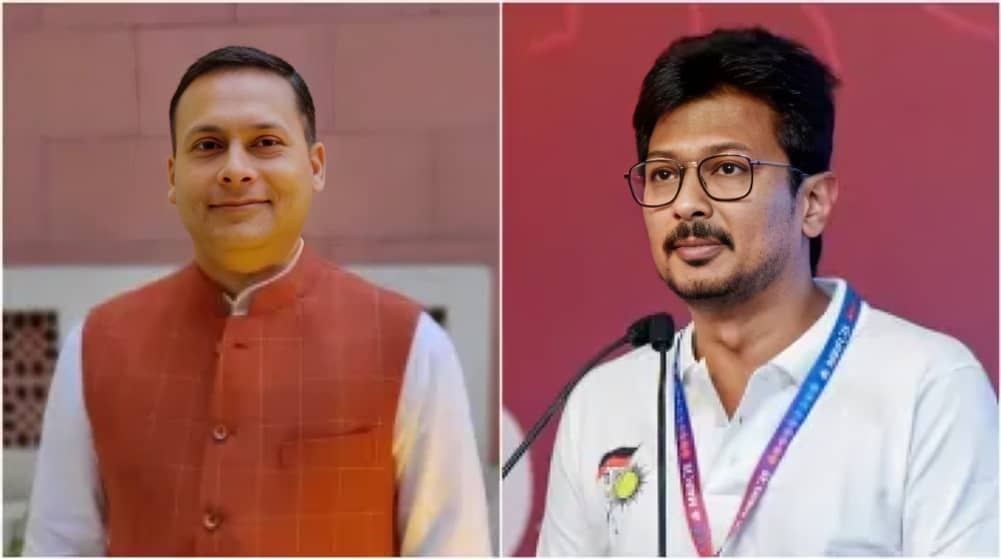
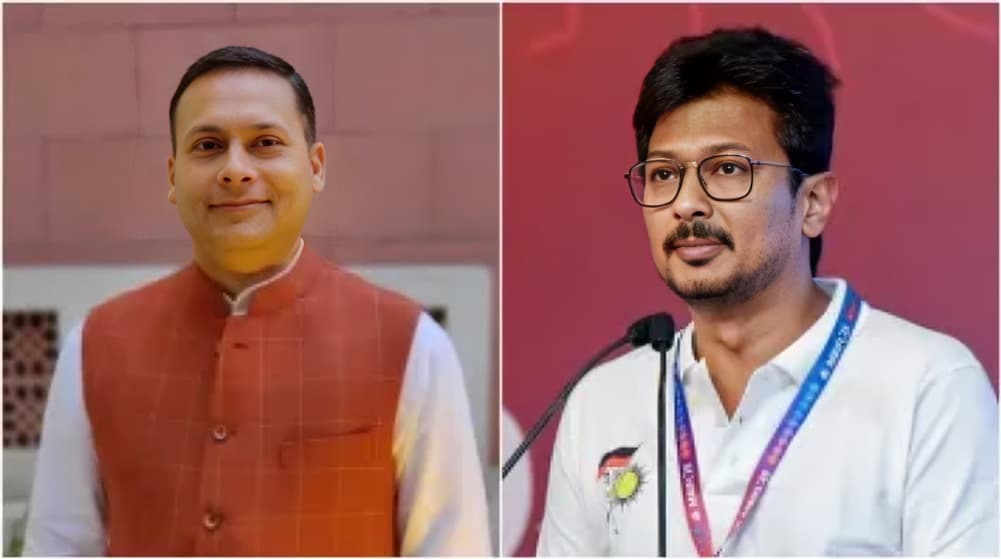
The Dravida Munnetra Kazhagam has expressed strong disagreement with a recent Madras High Court judgment that quashed a First Information Report filed against Bharatiya Janata Party leader Amit Malviya over comments linked to the Sanatana Dharma controversy. The ruling party in Tamil Nadu described the court’s decision as wrong and argued that a judge’s personal beliefs should not play any role in judicial rulings.
Reacting to the judgment, DMK leaders said the judiciary must rely strictly on constitutional principles and established legal standards rather than individual interpretations or beliefs. According to the party, judicial neutrality is essential to maintain public confidence in the legal system, especially in sensitive matters involving religion, politics, and freedom of expression.
The controversy stems from remarks made during the ongoing political debate over Sanatana Dharma, which has sparked sharp exchanges between political parties at the national and state levels. The FIR against Amit Malviya was filed following complaints that his statements were inflammatory. However, the Madras High Court quashed the case, stating that the remarks did not warrant criminal proceedings.
Following the ruling, the DMK strongly rejected allegations made by the BJP and its supporters that the party is anti-Hindu. DMK spokespersons reiterated that the party’s ideological position is rooted in social justice, equality, and rationalism, not opposition to any religion. They emphasised that the DMK has consistently upheld the rights of all religious communities.
To counter claims of being anti-Hindu, the DMK highlighted its role in protecting and expanding reservation policies in Tamil Nadu. Party leaders pointed out that the 69 percent reservation framework, which has been legally safeguarded, benefits a large section of Hindu communities, including backward classes, most backward classes, and Scheduled Castes. According to the party, this demonstrates its commitment to social equity rather than religious discrimination.
The party also accused its political opponents of attempting to misrepresent ideological disagreements as religious hostility. DMK leaders argued that criticism of certain concepts or practices should not be equated with opposition to faith or believers. They maintained that democratic discourse allows for questioning and debate without criminalisation or communal polarisation.
Legal experts note that disagreements between political parties and judicial interpretations are not uncommon, but they stress the importance of respecting the independence of the judiciary. At the same time, political parties are entitled to express disagreement with judgments through lawful and constitutional means.
The Sanatana Dharma debate continues to be a politically charged issue, particularly in the context of upcoming elections and broader discussions on religion, identity, and governance. The DMK has stated that it will continue to defend its ideological position while reiterating respect for constitutional values and democratic institutions.
As the debate unfolds, the case has once again highlighted the intersection of politics, religion, and law in India’s public discourse, raising questions about free speech, judicial interpretation, and political accountability.


