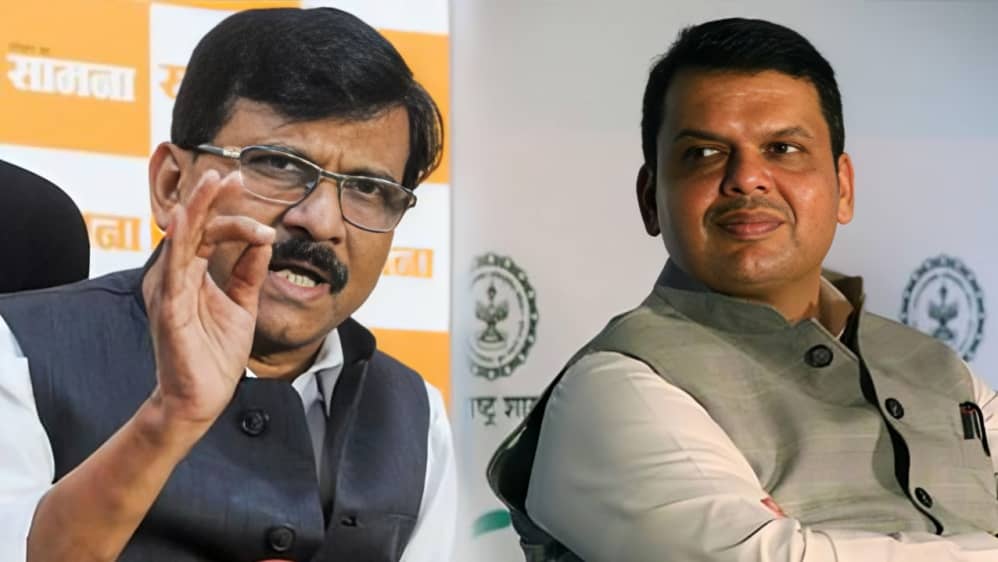
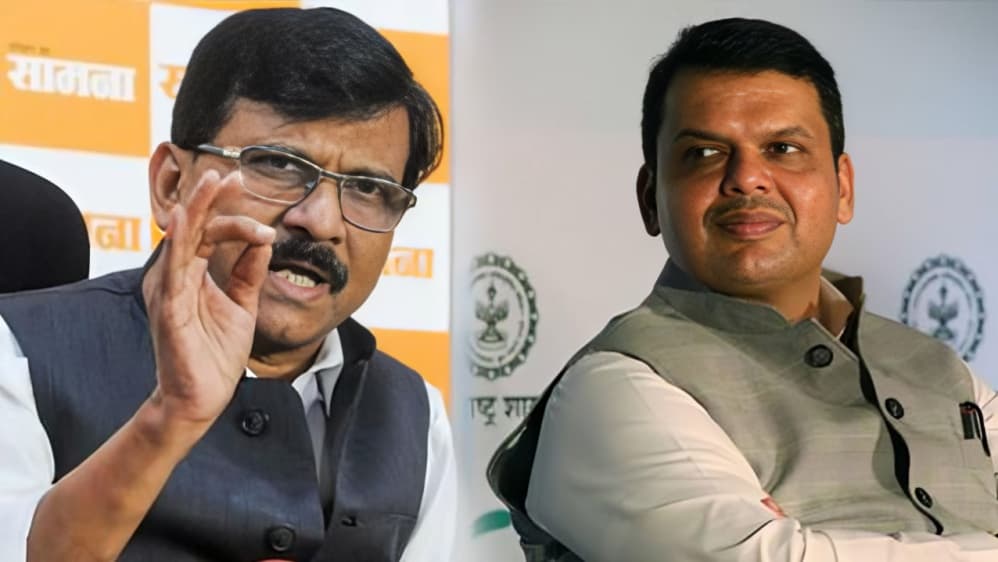
Shiv Sena UBT leader and Rajya Sabha MP Sanjay Raut on Wednesday launched a sharp attack on Maharashtra Chief Minister Devendra Fadnavis over his visit to the World Economic Forum in Davos, Switzerland. Raut dismissed the high profile global event as irrelevant from an Indian perspective and referred to the participation of Indian chief ministers as a picnic.
Speaking to reporters in New Delhi, Raut said that several chief ministers from across the country were attending the Davos summit without clear outcomes that benefit the public. He questioned the purpose of travelling abroad for meetings with Indian companies, arguing that such agreements could easily be finalised within India, particularly in Mumbai, which is the financial capital of the country.
Raut also raised concerns over the use of public funds for overseas travel. He claimed that Indian industries and political leaders meeting in Davos do not justify the expenditure incurred from taxpayers’ money. According to him, chief ministers should focus more on domestic governance issues rather than attending international conferences that, in his view, offer limited tangible benefits.
The Shiv Sena UBT leader further remarked that Chief Minister Fadnavis would return his attention to local political matters, including civic elections, after completing his Davos visit. His comments were aimed at questioning the priorities of the state government and the political messaging around foreign investment summits.
In response to Sanjay Raut’s remarks, Amruta Fadnavis, wife of Chief Minister Devendra Fadnavis, hit back strongly. She defended the Davos visit and criticised Raut’s statements as baseless. Amruta Fadnavis said international platforms such as the World Economic Forum play a key role in showcasing Maharashtra as an investment destination and attracting global attention.
She emphasised that such global events provide opportunities to engage with international investors, business leaders, and policymakers in one place, which may not be possible through meetings held solely within India. According to her, participation in global forums is part of long term economic planning and helps strengthen the state’s position in attracting investment and employment opportunities.
The exchange highlights the ongoing political tension between the ruling alliance in Maharashtra and the opposition Shiv Sena UBT. The World Economic Forum has often drawn mixed reactions in Indian politics, with supporters viewing it as a platform for global engagement and critics questioning its direct impact on domestic development.
As political reactions continue, the Maharashtra government has maintained that its participation in international forums is aimed at promoting investment, boosting economic growth, and creating jobs for the state’s youth. The debate over the relevance of Davos, however, remains a recurring issue in Indian political discourse.