
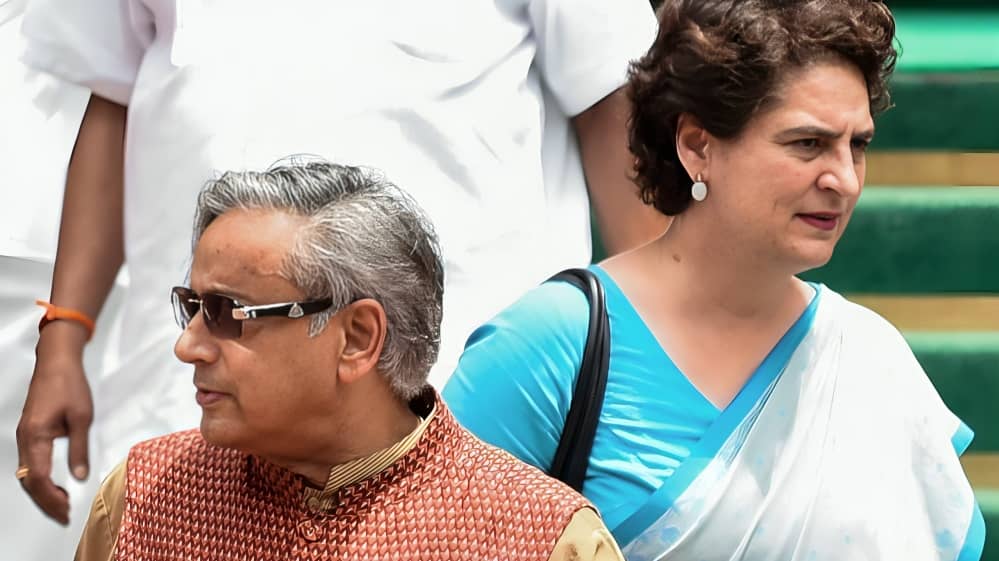
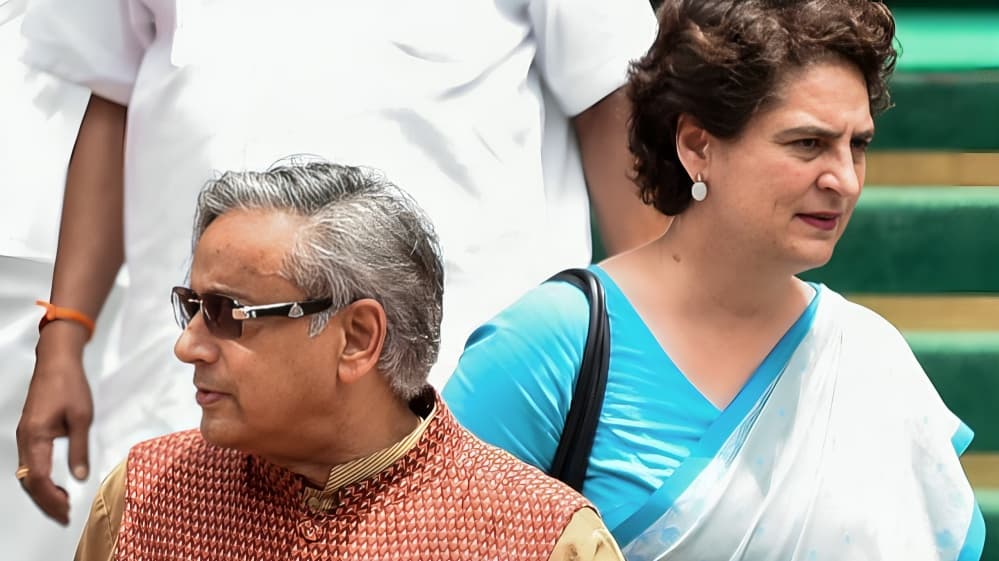
Shashi Tharoor, a senior Congress leader and Member of Parliament from Thiruvananthapuram, has missed a significant Congress party meeting for the second consecutive time, raising questions about his involvement in key party deliberations. The meeting, which included top leadership, focused on internal strategy, organizational planning, and preparations for upcoming elections at both state and national levels.
Party sources indicate that Tharoor had prior engagements that prevented him from attending, but the repeated absence has sparked discussions within the party regarding his commitment to internal party activities. Colleagues acknowledge his active role in public debates and parliamentary sessions but stress that participation in internal strategy meetings is crucial for cohesive decision-making and coordination.
The meeting addressed critical topics, including candidate selection, outreach strategies, and strengthening grassroots party units. Senior leaders emphasized the importance of coordinated efforts to prepare for elections, with contributions from experienced parliamentarians like Tharoor being considered valuable. His absence, therefore, was noted by attendees and observers alike.
Political analysts suggest that while Tharoor’s public presence remains strong through social media and interviews, repeated absences from internal meetings could impact perceptions within the party regarding his availability for organizational responsibilities. They note that such meetings are essential for understanding the party’s evolving strategies and ensuring effective implementation at various levels.
Despite missing the meeting, Tharoor continues to voice opinions on national policy, governance, and political issues, maintaining his visibility among constituents and the general public. Party leaders have indicated that while attendance is important, contributions to policy discussions and public engagement are also valued. Tharoor has a history of balancing parliamentary responsibilities, constituency work, and party commitments, which sometimes leads to scheduling conflicts.
Some party insiders suggest that the leadership may consider arranging alternative consultations or one-on-one discussions to keep Tharoor informed and involved in strategic decisions. This approach could ensure that his expertise and insights continue to benefit the party while accommodating his existing commitments.
The repeated absence has, however, invited media attention, prompting discussions on leadership accountability, the need for active participation in party activities, and balancing public and organizational responsibilities. Tharoor’s colleagues have expressed confidence in his continued engagement and contribution despite missing the formal meeting.
In summary, Shashi Tharoor’s absence from the recent major Congress meeting highlights the challenges senior leaders face in balancing multiple responsibilities. While the situation has drawn attention, his ongoing involvement in public discourse and parliamentary work indicates that he remains an active and influential figure within the party. The leadership continues to value his contributions, and arrangements are likely to ensure his participation in strategic matters moving forward.


