
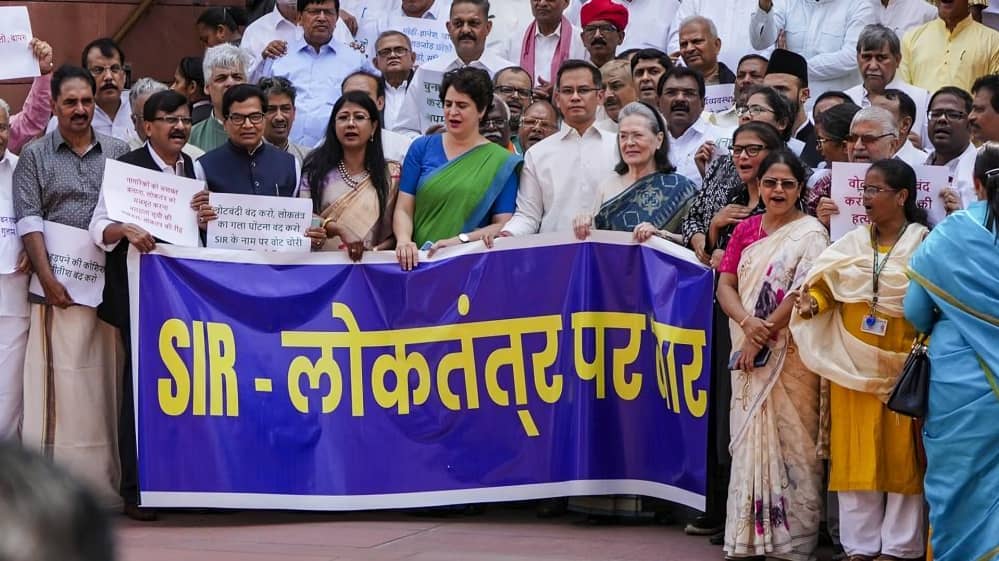
Petitioners in the ongoing Special Institutional Review (SIR) case have argued that the Election Commission of India (ECI) cannot make significant changes to the constitutional framework that governs elections in the country. According to the petition, while the ECI has the authority to conduct free and fair elections, implement procedural rules, and ensure smooth electoral processes, it cannot unilaterally alter the fundamental constitutional provisions or bypass legislative procedures.
The petitioners’ arguments underline the principle that the ECI’s powers are administrative and regulatory in nature, not legislative. Any substantial modification to electoral procedures or laws requires constitutional amendments or parliamentary approval. The petition notes that attempts to bypass such requirements could undermine the integrity of the electoral system and disrupt the balance of powers established under the Constitution.
Legal experts observing the case have pointed out that this matter emphasizes the limits of administrative discretion in electoral governance. While the ECI plays a critical role in implementing rules, supervising elections, and ensuring transparency, the constitutional scheme ensures that major policy changes affecting elections remain under the purview of elected legislative bodies. This separation of responsibilities is intended to maintain both the independence of the electoral process and the rule of law.
The petition also highlights previous instances where attempts to implement procedural changes without legislative backing led to disputes, judicial scrutiny, and public debate. It reinforces the need for adherence to constitutional norms and proper consultation with stakeholders before introducing reforms that could impact the electoral framework.
Furthermore, the SIR petitioners argue that the ECI’s role is to facilitate elections in accordance with existing laws and not to reinterpret or amend constitutional provisions. They stress that the commission’s mandate is to uphold electoral integrity, prevent malpractices, and ensure equal opportunity for all participants, while any structural or legislative changes must follow formal procedures.
Observers note that this case could set a precedent regarding the limits of administrative authority in India’s electoral governance. Courts may clarify the extent to which the ECI can issue guidelines, modify procedures, or introduce reforms without conflicting with constitutional mandates. This decision may also influence future discussions on electoral reforms, the commission’s powers, and the balance between administrative flexibility and constitutional adherence.
In conclusion, the SIR petitioners’ arguments underscore the fundamental principle that the Election Commission of India, while central to the administration of elections, cannot make major changes to the constitutional scheme. Ensuring that significant electoral reforms follow legislative and constitutional procedures is vital for maintaining the legitimacy, transparency, and stability of India’s democratic system. This case highlights the ongoing dialogue between administrative discretion, constitutional mandates, and judicial oversight in shaping the country’s electoral landscape.


