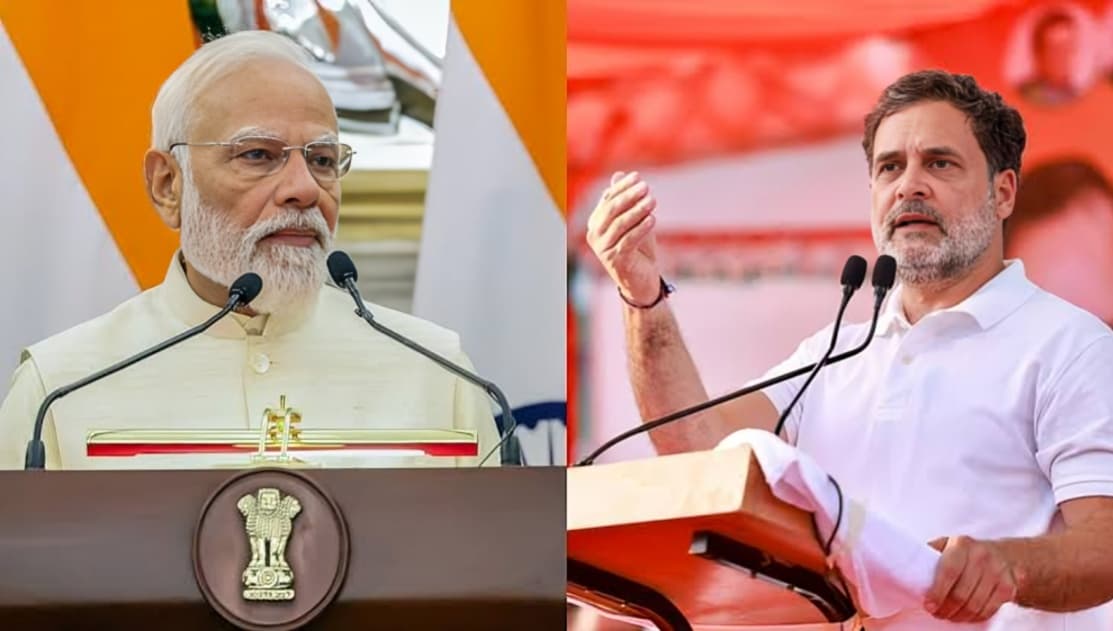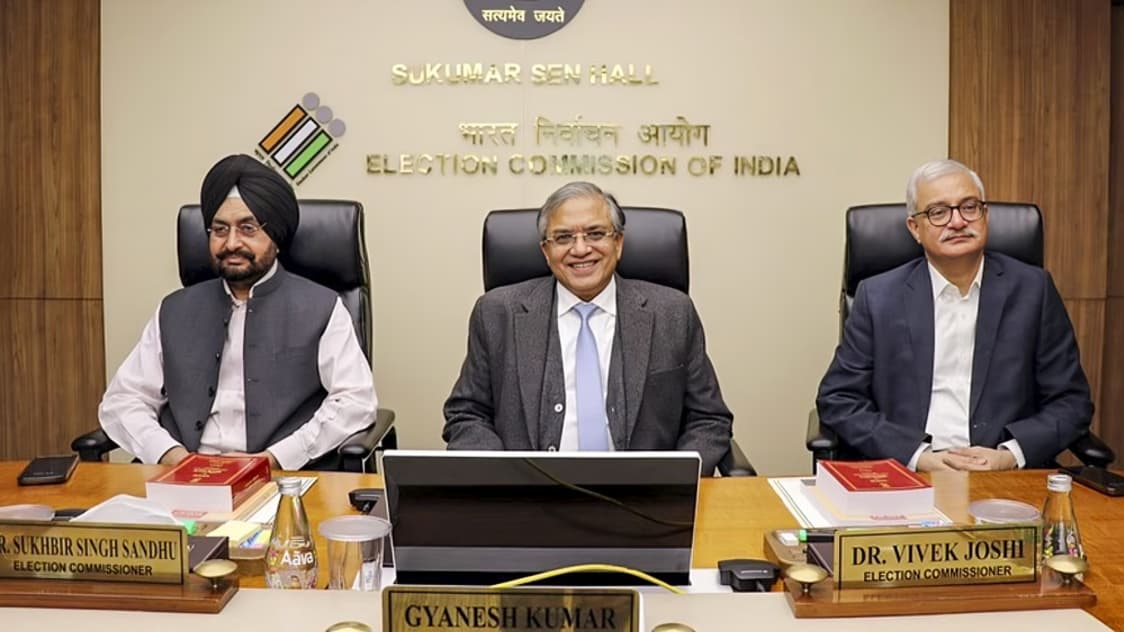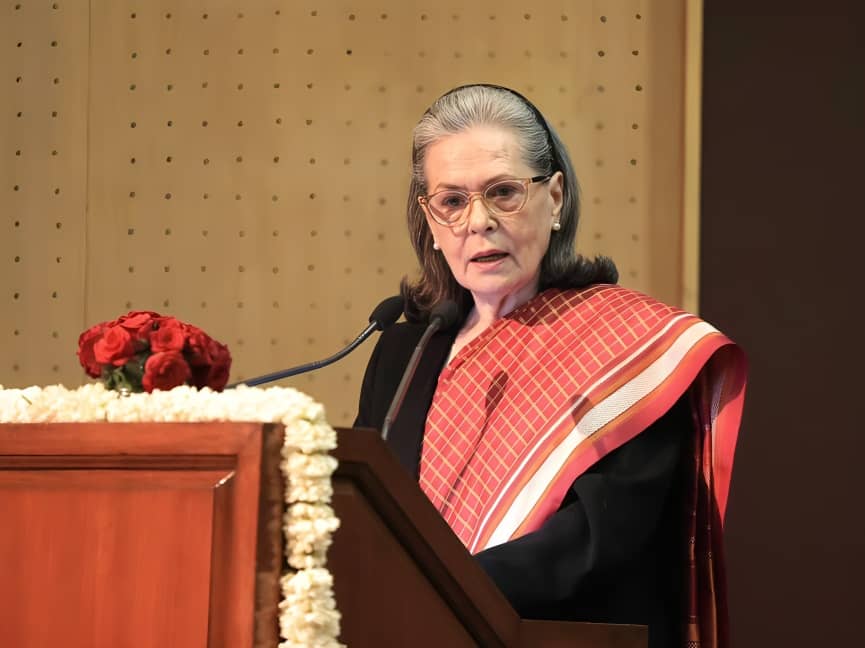
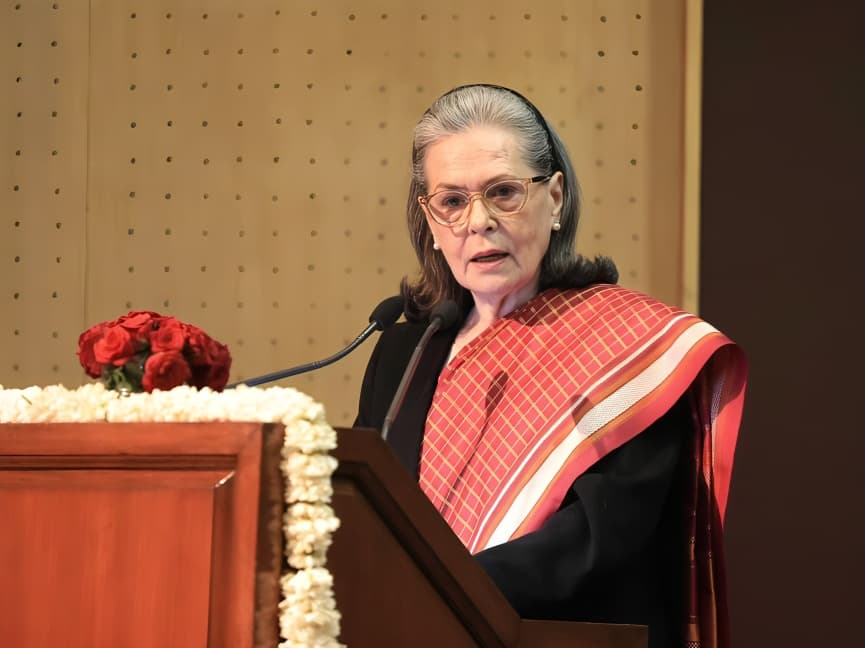
Congress Parliamentary Party Chairperson Sonia Gandhi has strongly criticised the proposed delimitation exercise aimed at increasing the number of seats in the Lok Sabha. Addressing party members and raising concerns over recent developments, she described the move as an assault on the Constitution and questioned the approach adopted by the Centre.
Sonia Gandhi also raised concerns about the timing of introducing the amendment linked to the Nari Shakti Vandan Adhiniyam, which seeks to provide reservation for women in Parliament and state legislatures. According to her, the sequence and timing of these decisions have led to serious questions regarding transparency and intent.
The delimitation process involves redrawing the boundaries of parliamentary and assembly constituencies based on population changes. It is a critical mechanism to ensure fair representation in a democratic system. However, it has also been a subject of political debate, particularly when linked with broader reforms such as reservation policies.
Gandhi alleged that the Centre had not adequately consulted opposition parties on the matter. She pointed out that requests for an all party meeting to discuss the implications of delimitation and related legislative changes were not accepted. This, she argued, has limited the scope for consensus building on an issue that has significant constitutional and political implications.
The Congress leader emphasised that any major change affecting the structure of representation in Parliament should be carried out with wide consultation and careful planning. She expressed concern that altering the sequence of key processes such as Census delimitation and implementation of reservation could impact the balance of representation among states.
The Nari Shakti Vandan Adhiniyam has been widely discussed as a landmark step toward increasing women participation in politics. While there is broad support for the objective of enhancing gender representation, political leaders have differed on how and when it should be implemented. Gandhi’s remarks reflect the concerns of the opposition that the process should be clearly defined and aligned with constitutional principles.
The Centre has maintained that its decisions are aimed at strengthening democratic representation and ensuring inclusivity. However, the ongoing debate indicates that differences remain between the government and opposition parties on the issue.
Political analysts believe that delimitation and reservation are complex issues that require careful consideration due to their long term impact on the political landscape. Any change in constituency boundaries or seat allocation can influence electoral outcomes and regional representation.
As discussions continue, there is a growing call from various quarters for greater dialogue and transparency. Observers suggest that a consultative approach involving all stakeholders could help address concerns and ensure that reforms are implemented in a manner consistent with constitutional values.
The developments surrounding delimitation and the Women Reservation Law are expected to remain a key topic in national politics. The manner in which these issues are handled will play a crucial role in shaping the future of India’s democratic framework and representation system.