
Tamil Nadu Chief Minister M K Stalin has expressed support for the University Grants Commission’s (UGC) (Promotion of Equity in Higher Education Institutions) Regulations, 2026, describing them as a delayed but welcome reform in India’s higher education system. Announced on January 13, these equity regulations aim to replace the earlier 2012 anti-discrimination framework and institutionalise mechanisms to prevent and address discrimination in colleges and universities.
Stalin said the new rules are a crucial step towards correcting deep-rooted discrimination and “institutional apathy” within higher education. The regulations mandate that institutions establish enforceable governance frameworks to address caste-based and other forms of discrimination, including setting up dedicated equity committees and mechanisms to hear grievances. The Chief Minister emphasised that this policy shift was long overdue and must be backed by strong implementation measures to deliver real outcomes.
Despite welcoming the equity regulations, Stalin said they need to be strengthened and revised to address structural gaps and ensure accountability. He argued that without robust enforcement and periodic reviews, the intended objectives of reducing discrimination and improving inclusiveness may fall short. Stalin used his official social media post to highlight the need for clear accountability channels and urged the Centre not to dilute the regulations in the face of political backlash.
Further underlining the urgency for such safeguards, Stalin pointed to a noticeable rise in student suicides at higher education institutions, particularly among students from Scheduled Caste (SC) and Scheduled Tribe (ST) communities since the Bharatiya Janata Party (BJP) came to power at the Centre. He also referred to reported harassment and targeted attacks on students from South India, Kashmir and minority communities as evidence that equity protections are not optional but essential.
Stalin welcomed the stated goals of dismantling caste discrimination and broadening inclusion to other socially disadvantaged groups, including Other Backward Classes (OBCs). He said the backlash against the UGC equity rules resembled opposition seen in earlier social reform movements, such as those that followed the Mandal Commission’s recommendations on reservations. He described critics of the regulations as driven by “regressive mindsets” and urged policymakers to resist pressures to roll back key provisions.
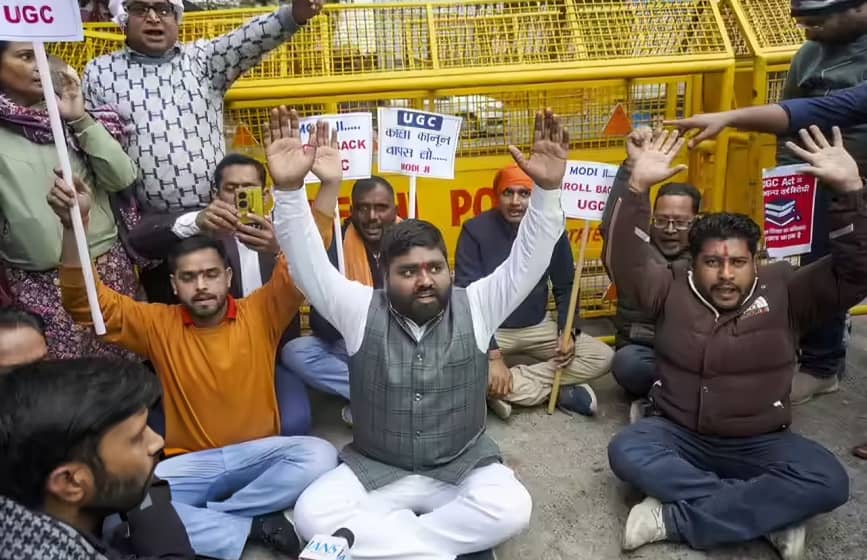
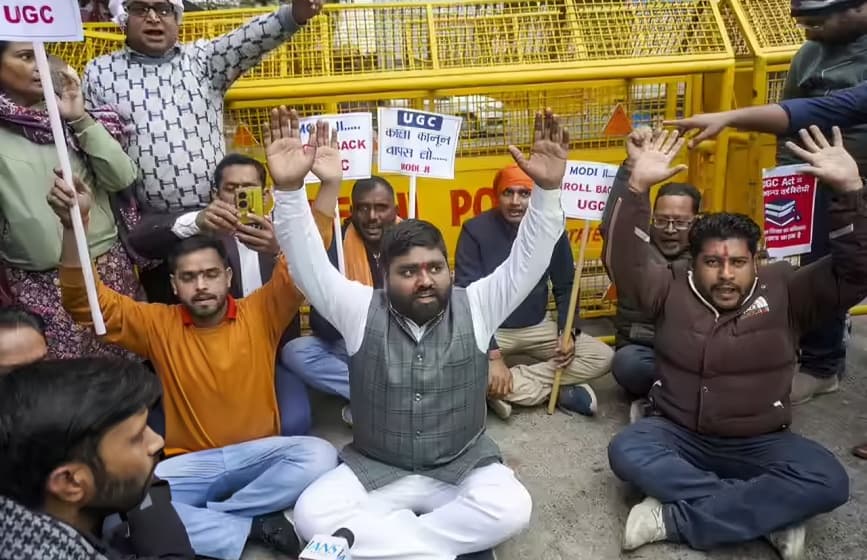
The equity regulations have already sparked controversy in campuses and student communities, with protests and legal challenges emerging in various states. Some protestors argue that the framework could be misused or that its definitions may lead to unintended consequences for general category students and institutional autonomy. However, supporters contend that stronger regulatory safeguards are needed to protect marginalised students and to ensure that discrimination is addressed systematically rather than left to discretionary institutional practices.
The University Grants Commission’s updated rules require higher education institutions to establish Equal Opportunity Cells and equity committees, which are responsible for handling complaints and promoting inclusive practices. They also mandate transparent procedures for reporting and addressing grievances, as well as training and awareness measures for students and staff.
As the debate continues, political leaders, educators and student groups remain engaged in discussions about how best to balance equity, fairness and institutional freedom. Stalin’s endorsement of the regulations highlights the political importance of equity in education policy, while his call for strengthening the framework underscores ongoing challenges in translating policy into practice.


