
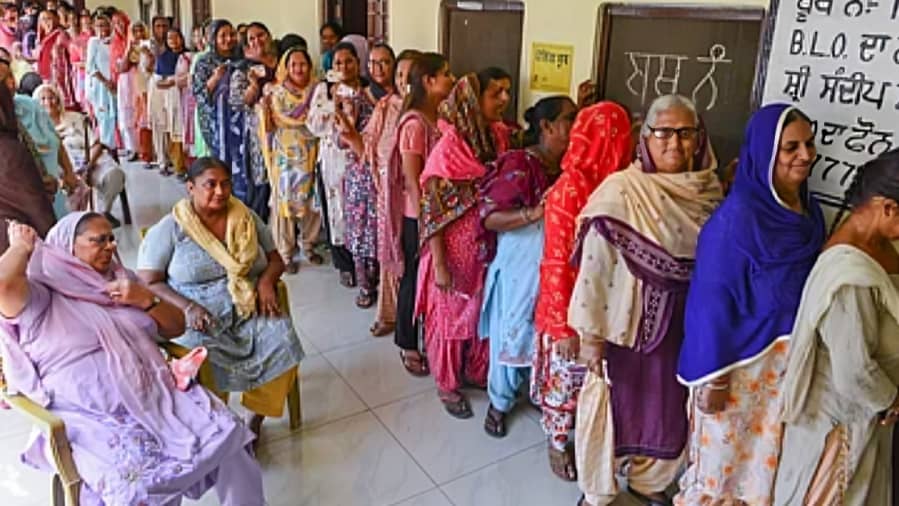
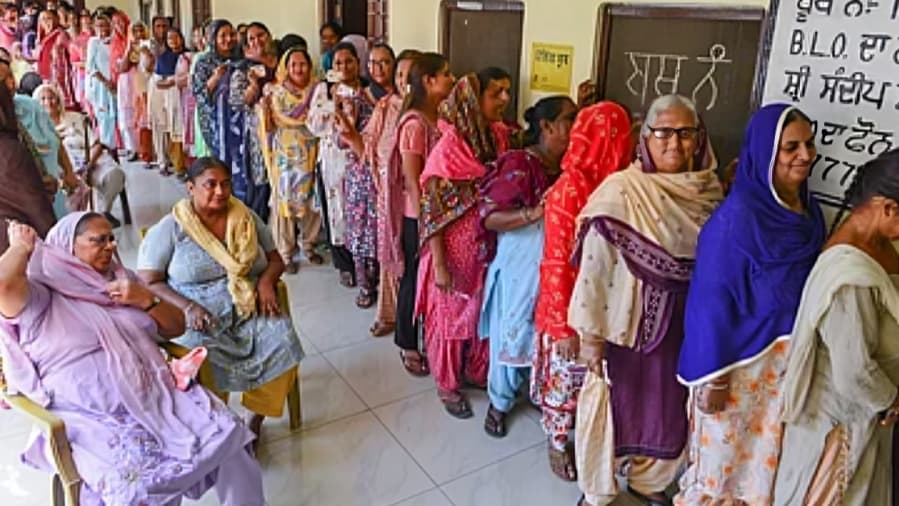
The Telangana government has officially announced that elections to Gram Panchayats across the state will be conducted in the near future. However, the decision regarding elections for other local bodies, including municipalities, municipal corporations, and zilla parishads, has been deferred. According to government officials, this decision has been taken to focus on timely elections at the village level, ensuring that the Gram Panchayats are duly elected and functional. Notifications for the Panchayat polls are expected to be issued soon, signaling the start of the electoral process.
The move is being seen as an effort to strengthen grassroots-level governance. Gram Panchayats play a crucial role in planning and executing local development projects, managing resources, and addressing village-level concerns. Conducting timely elections is critical for ensuring that local governance is representative and accountable. Officials noted that logistical and administrative preparations for the Panchayat elections are already underway, including the updating of electoral rolls and training of polling personnel.
While the government has taken a clear stand on Gram Panchayat polls, the schedule for elections to other local bodies remains uncertain. Authorities have cited administrative and procedural reasons for deferring decisions on municipal and zilla parishad elections. The state election commission will evaluate various factors, including population size, legal requirements, and preparedness of the administrative machinery, before announcing the timelines for these elections.
Political parties in Telangana have welcomed the decision to conduct Panchayat elections, but some have expressed concern over the delay in announcing schedules for urban local bodies. They argue that the deferment may impact political planning and representation in urban areas. Analysts note that conducting Gram Panchayat elections first may influence local political dynamics and voter sentiment in subsequent municipal polls.
The government’s decision also reflects a broader strategy of ensuring that rural local bodies are functional and capable of addressing village-level issues, especially in areas such as water management, sanitation, and rural infrastructure development. By prioritizing Panchayat elections, authorities aim to ensure uninterrupted governance at the grassroots level, which is vital for implementing state welfare schemes and development projects.
Observers point out that this staggered approach to elections allows the government to manage resources efficiently, ensure free and fair elections, and avoid administrative bottlenecks. Additionally, it provides political parties with adequate time to prepare for the more complex urban local body elections, which involve larger populations and greater logistical challenges.
In conclusion, the Telangana government’s announcement to proceed with Gram Panchayat elections while deferring decisions on other local bodies reflects a strategic and administrative approach to local governance. The upcoming Panchayat polls are expected to rejuvenate village-level administration and ensure that local development initiatives continue smoothly. Meanwhile, stakeholders await the government’s announcement regarding municipal and zilla parishad elections, which will complete the cycle of local body representation in the state.


