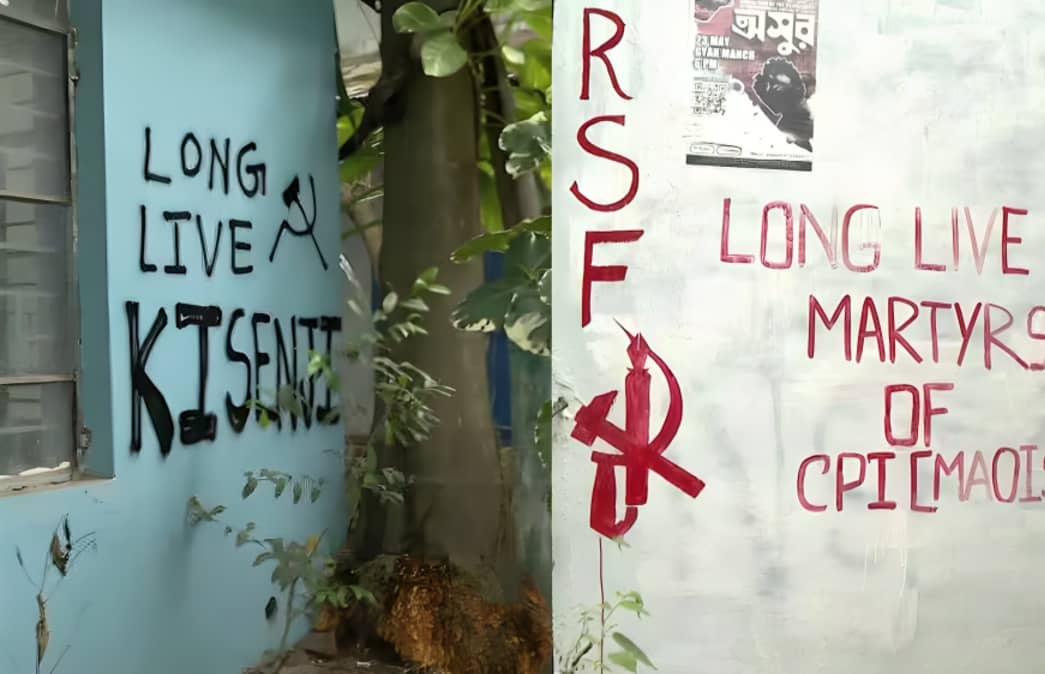
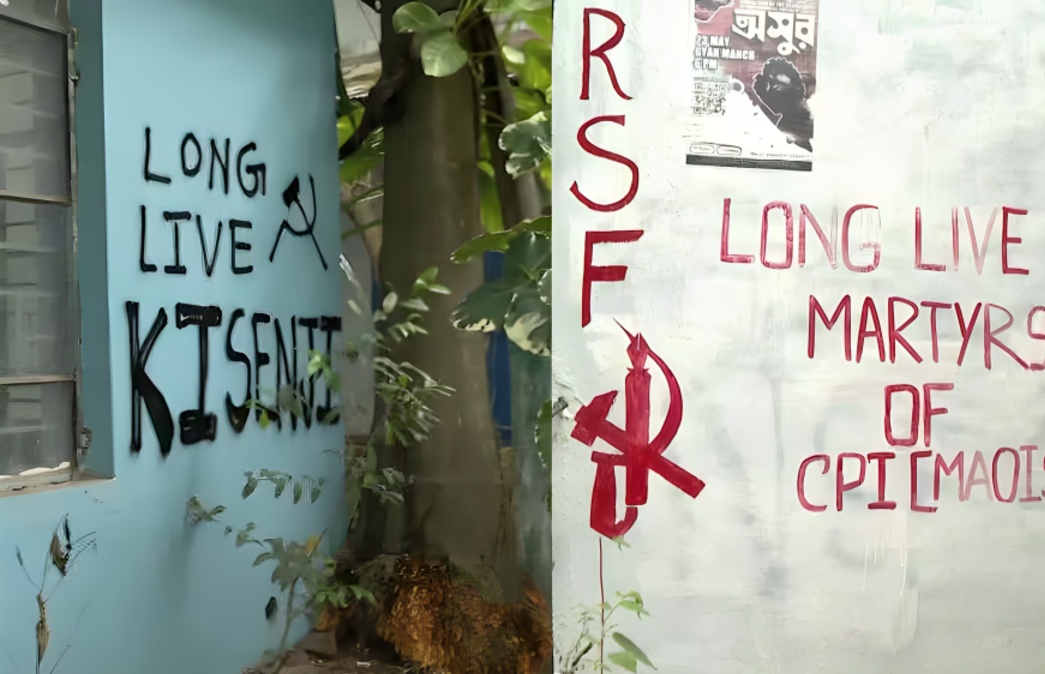
Suvendu Adhikari questioned Azadi slogans and the Red Salute Kishanji writing reported on a Jadavpur University wall.
He described the slogans as a concern for national unity and also raised the issue of Vande Mataram.
His remarks came during Raksha Bandhan and focused on what he described as internal threats to the country.
Long Content
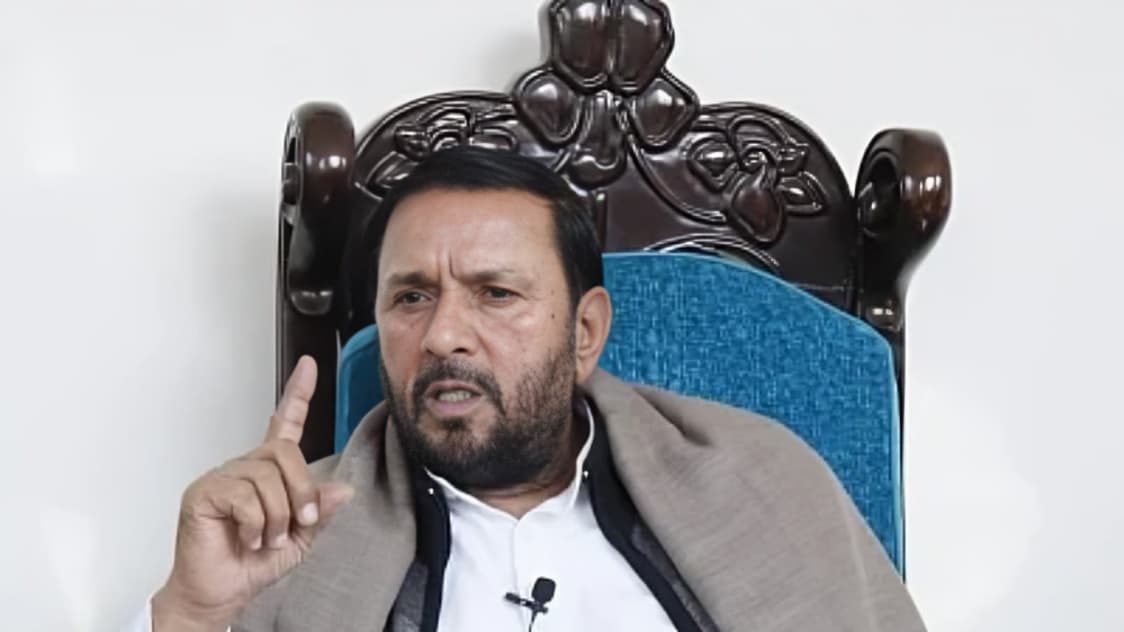
West Bengal Chief Minister Suvendu Adhikari has raised questions over slogans demanding Azadi in Kolkata and the appearance of the words Red Salute Kishanji on a wall at Jadavpur University. His comments have brought renewed attention to political slogans, campus expression and debates surrounding nationalism in West Bengal.
Adhikari criticised slogans that call for Azadi and questioned the significance of references to Kishanji, the alias used by Maoist leader Koteshwara Rao. He described such expressions as a threat to national unity and argued that they should not be encouraged.
The comments come against the backdrop of continuing political disagreements in West Bengal over issues involving nationalism, political ideology and public expression. Jadavpur University has historically been an important centre for student politics and public debate, making political writings and slogans on its campus particularly sensitive subjects.
According to the remarks attributed to Adhikari, he questioned why slogans demanding Azadi were being raised in Kolkata. He also referred to the writing Red Salute Kishanji on a wall at Jadavpur University and asked why such references should be allowed.
Kishanji was the name commonly associated with Koteshwara Rao, a senior Maoist leader who was killed during an operation in West Bengal in 2011. His name continues to have political significance because of his association with the Maoist movement and the violence that affected parts of eastern and central India.
Adhikari's comments reflect his broader political position on national security and what he considers threats to India's unity. However, his description of the slogans as anti-national represents his political assessment and should not be treated as an independent legal finding.
The Chief Minister also raised concerns over opposition to the complete rendition of Vande Mataram. The song has a long association with India's freedom movement and occupies an important place in the country's national history. At the same time, debates over its use, rendition and interpretation have periodically generated political controversy.
Adhikari linked these issues to the broader question of national unity. He argued that public expressions challenging the country's unity should receive attention and called for the removal of what he described as internal threats.
His remarks were made in the context of Raksha Bandhan, a festival traditionally associated with the bond between brothers and sisters. The Chief Minister used the occasion to emphasise the importance of protecting the country from threats that he believes could undermine social cohesion.
The comments are likely to attract political responses because questions surrounding nationalism and political expression have frequently become subjects of debate in West Bengal. Political parties have differing views on how slogans, symbols and historical references should be treated in educational institutions and public spaces.
Jadavpur University has a long history of student activism and political engagement. Its campus has frequently been associated with debates on national and international political issues. As a result, writings and slogans displayed on university walls can become part of larger political discussions.
The controversy also raises questions about the balance between freedom of expression and concerns over national security. Democratic institutions and educational campuses provide space for political discussion and dissent. At the same time, authorities may intervene when expressions are alleged to involve threats, violence or activities prohibited under law.
Whether a particular slogan or wall writing constitutes an offence depends on its exact content, context and applicable legal provisions. Political criticism or disagreement alone does not automatically establish criminal or anti-national conduct.
Adhikari's remarks therefore form part of a political debate rather than an independent determination about the legal status of the slogans or writings he referred to.
The reference to Kishanji is particularly sensitive because of the history of Maoist violence in West Bengal. During the period when the Maoist movement was active in parts of the state, several districts experienced armed conflict, political violence and security operations. The killing of Kishanji marked an important development in the state's counter-insurgency history.
By raising the issue of Red Salute Kishanji, Adhikari has sought to draw attention to what he considers the continuing presence of extremist ideology in public discourse. His comments are consistent with his broader emphasis on national security and political stability.
The discussion over Vande Mataram similarly reflects a long-running national debate. Supporters of its full rendition regard the song as an important expression of patriotism and India's freedom struggle, while disagreements have emerged over its historical, cultural and religious dimensions.
The combination of these issues has given Adhikari's latest remarks a wider political significance. His comments connect campus writings, political slogans and patriotic symbols to the larger question of national identity.
The issue is also likely to remain politically relevant as parties in West Bengal prepare for future electoral contests. Political leaders regularly use questions of national security, identity and social unity to distinguish their positions from those of their opponents.
For the public, the immediate question is whether the reported slogans and wall writings will lead to any administrative or legal action. Any such action would depend on investigations by the relevant authorities and the application of existing laws and university regulations.
The controversy highlights the continuing tension between political expression and institutional discipline on university campuses. Universities are expected to provide an environment where students and faculty can engage in debate, while also maintaining rules governing public order and campus conduct.
Adhikari's comments have added another dimension to this discussion by framing the issue around national unity and internal security. His call for attention to what he describes as internal threats is likely to be debated by political parties, students and civil society groups.
Overall, the Chief Minister's remarks have brought the reported Azadi slogans, the Red Salute Kishanji reference and the debate over Vande Mataram into the political spotlight. While Adhikari has strongly criticised these developments, the wider discussion will depend on the context of the slogans, the response of university authorities and any action taken by government agencies.