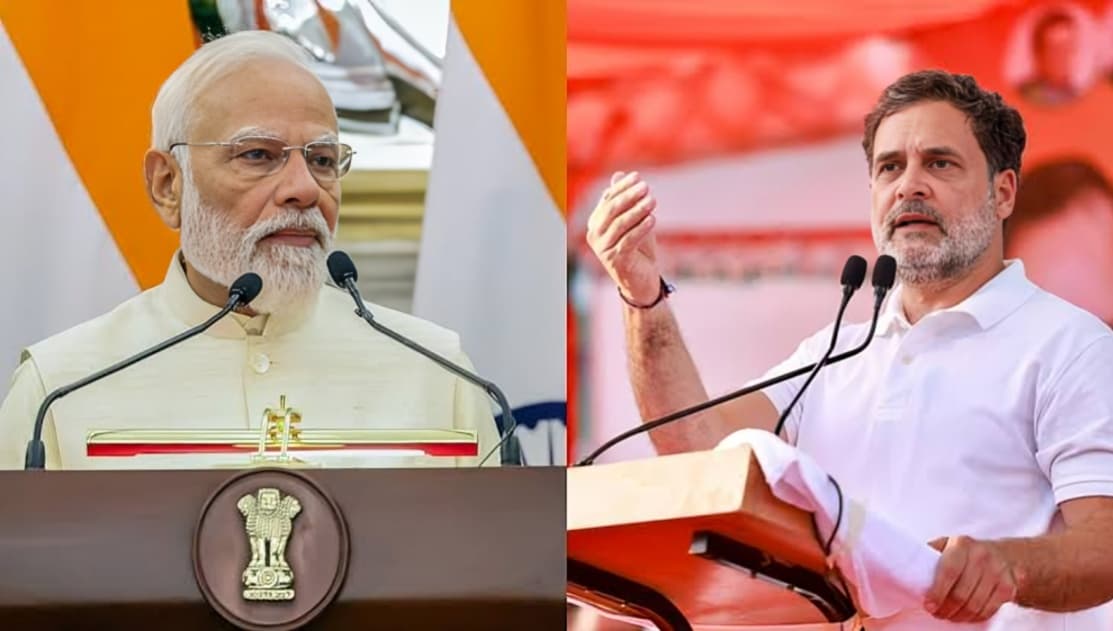
Tamil Nadu Chief Minister M K Stalin has strongly criticised Prime Minister Narendra Modi for his recent remarks regarding the free bus travel scheme for women in the state. The scheme, introduced by the Tamil Nadu government, allows women to travel free of cost on state run buses and has been widely promoted as a measure to support women’s welfare and economic empowerment.
Responding to the Prime Minister’s comments, Stalin stated that such remarks reflect a lack of understanding of the challenges faced by women in accessing affordable transportation. He emphasized that the free bus travel scheme has played a significant role in improving mobility for women, enabling them to travel for work, education, and other essential activities without financial burden.
According to the Chief Minister, the initiative has contributed to enhancing women’s participation in the workforce and has supported their economic independence. He described the scheme as part of a broader effort by the state government to promote social welfare and inclusive growth. Stalin also noted that similar welfare measures have had a positive impact on families by reducing daily expenses.
In addition to responding to the Prime Minister, Stalin criticised the leadership of the All India Anna Dravida Munnetra Kazhagam. He accused the party of aligning closely with the Bharatiya Janata Party on political matters. Referring to this alignment, Stalin suggested that the opposition party is no longer acting independently in state politics.
The remarks come amid increasing political activity and exchanges between major parties ahead of upcoming elections. Welfare schemes, governance, and economic policies have become central themes in political debates across the state. The free bus travel scheme, in particular, has been highlighted by the ruling party as a key achievement, while opposition parties have raised concerns about its financial sustainability.
Political analysts believe that such exchanges reflect the broader contest between regional and national political narratives. While the state government continues to defend its welfare initiatives, opposition parties are likely to challenge these policies during the election campaign.
The issue has also drawn attention to the role of welfare schemes in addressing social inequalities. Supporters argue that initiatives like free transportation for women help bridge gaps in access to opportunities, while critics emphasize the need for balancing welfare spending with fiscal discipline.
As the political discourse continues, the free bus travel scheme remains a focal point of debate in Tamil Nadu. The response from both the state and central leadership highlights the differing perspectives on governance and policy priorities. The coming months are expected to see further discussions on this and other key issues shaping the political landscape of the state.