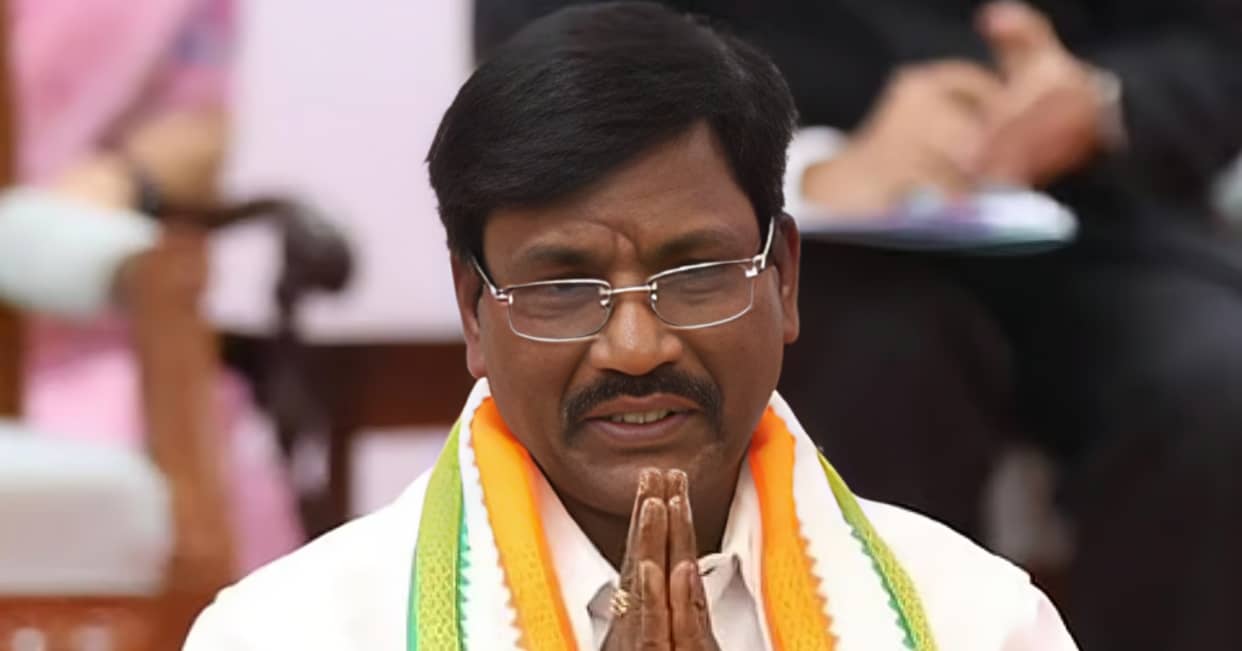
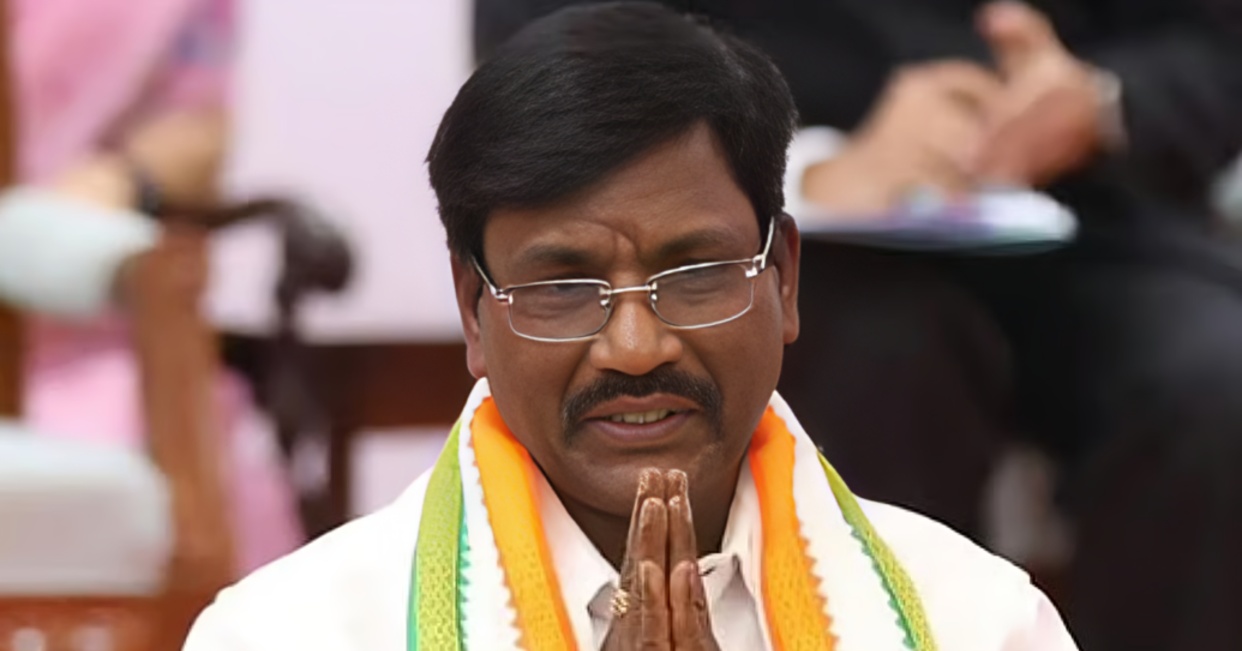
Tamil Nadu Minister P Viswanathan has said that Congress leader Rahul Gandhi is the definitive prime ministerial candidate of the INDIA bloc for the 2029 Lok Sabha elections. His remarks have added to the ongoing political discussion over leadership within the opposition alliance ahead of the next general election.
According to reports, Viswanathan said that Congress leaders were clear about their support for Rahul Gandhi as the alliance’s choice for the prime ministerial post. The statement comes at a time when political discussions are increasingly focusing on possible leadership options for the INDIA bloc.
The remarks also came against the backdrop of suggestions from some political circles that Tamil Nadu Chief Minister Vijay could potentially be projected as a national political leader. Other names have also been discussed in connection with the broader opposition alliance. Viswanathan, however, maintained that Congress had clarity about its position regarding Rahul Gandhi.
Rahul Gandhi is currently the Leader of the Opposition in the Lok Sabha and remains one of the principal national leaders of the Congress party. His role in opposition politics has increased in recent years, particularly on issues involving the central government, Parliament and electoral politics.
The question of who could lead the INDIA bloc in the 2029 Lok Sabha elections is expected to remain an important political issue as the election approaches. The alliance consists of opposition parties with different regional strengths and political priorities. Reaching agreement on leadership and seat-sharing could therefore become a significant part of its future strategy.
Viswanathan’s comments are significant because they come from a Tamil Nadu minister and Congress leader at a time when political discussions in the state are increasingly connected to national politics. Tamil Nadu has traditionally played an important role in national coalition politics, and the state's political parties and leaders can have considerable influence on parliamentary alliances.
The minister also discussed Tamil Nadu’s efforts to assist people affected by the ongoing flash floods in Nepal. According to the reported statement, a four-member ministerial committee was sent to Nepal to oversee relief measures and monitor the situation involving people from Tamil Nadu.
The Nepal floods have created a major humanitarian emergency, with rescue and search operations continuing in affected areas. Viswanathan said that the Tamil Nadu government had established dedicated control rooms in Chennai and New Delhi to monitor the situation around the clock and coordinate assistance.
The state government's focus has included tracking people from Tamil Nadu who may be stranded or affected in Nepal and coordinating support where necessary. The ministerial committee was sent to assess the situation and help oversee relief-related measures.
Viswanathan also defended the functioning of the Tamil Nadu Legislative Assembly, describing the House as an important platform for democratic debate and discussion. Legislative assemblies provide elected representatives with a forum to raise public issues, question government decisions and participate in discussions on policies and legislation.
The minister's comments come as political activity increases ahead of the longer-term preparations for the 2029 Lok Sabha elections. While the next general election is still some distance away, parties and alliances are already beginning to discuss leadership, political strategy and possible electoral partnerships.
The INDIA bloc's future strategy will depend on coordination among its constituent parties. Regional parties have their own political interests and leadership structures, while the Congress remains one of the major national parties in the alliance. Any decision regarding a prime ministerial candidate would therefore have broader political implications.
For now, Viswanathan's statement represents his stated position and should not automatically be interpreted as a formal announcement by every constituent party of the INDIA bloc. The final leadership strategy of any alliance would depend on discussions among its participating parties and the political circumstances closer to the 2029 elections.
The statement has nevertheless renewed attention on Rahul Gandhi's potential role in the next general election. Gandhi has remained a central figure in national opposition politics and has frequently participated in campaigns and parliamentary debates on issues raised by the opposition.
The remarks may also lead to further political reactions, particularly from parties and leaders who have been discussing alternative leadership possibilities. As the political landscape develops, statements from individual leaders are likely to contribute to a broader debate over who could represent the opposition alliance in the next Lok Sabha election.
Tamil Nadu is likely to remain an important state in these discussions because of its large parliamentary representation and the growing political significance of the TVK led government. The state's regional political developments could influence the formation of national alliances and electoral strategies.
The immediate focus for the Tamil Nadu government, however, also remains on relief efforts related to the Nepal floods. The dedicated control rooms and ministerial committee are intended to ensure that information about affected residents and tourists from Tamil Nadu can be monitored and that assistance can be coordinated efficiently.
Overall, P Viswanathan's remarks have placed Rahul Gandhi at the centre of the latest discussion over the INDIA bloc's possible leadership for the 2029 Lok Sabha elections. While the minister described Gandhi as the alliance's definitive choice, the broader question of opposition leadership remains part of an evolving political conversation. Further developments are expected as parties assess their alliances, leadership options and electoral strategies ahead of the 2029 general election.