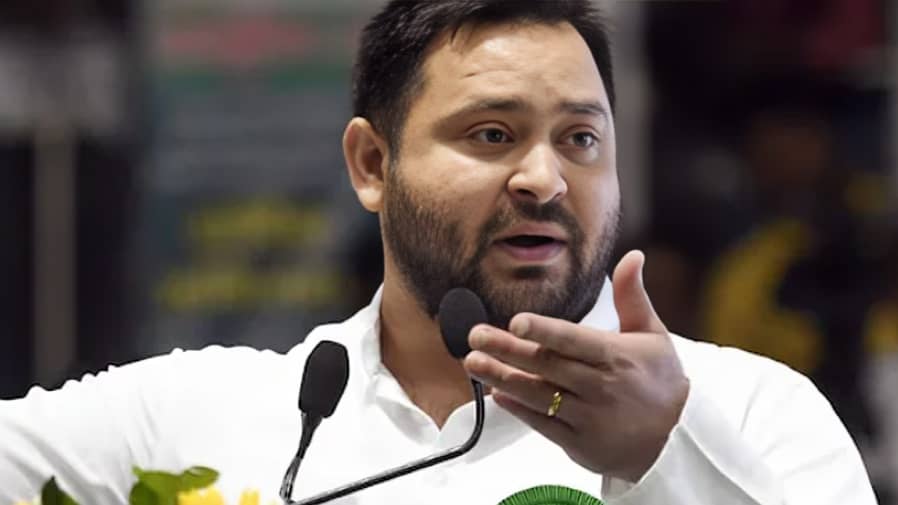
Tejashwi Yadav, the son of RJD chief Lalu Prasad Yadav and former Deputy Chief Minister of Bihar, has had a meteoric rise in state politics. From being hailed as Bihar’s youngest Deputy CM to now facing political turbulence, his career trajectory underscores both the opportunities and pitfalls inherent in regional political leadership.
Yadav’s initial appeal was built on youthful energy, dynamic campaigning, and the legacy of his father’s political influence. His tenure as Deputy CM was marked by efforts to address youth unemployment, education reforms, and infrastructure development, earning him recognition among a segment of the electorate. However, the political landscape of Bihar, dominated by coalition dynamics and caste-based alignments, has posed challenges for sustained success.
Recent electoral setbacks have tested Yadav’s leadership. The party’s performance in key constituencies highlighted strategic weaknesses, creating an atmosphere of introspection and concern among senior leaders. Analysts note that the defeats not only reflect voter sentiment but also intensify internal party discussions on leadership style, decision-making, and electoral strategy.
In addition to political pressures, Tejashwi Yadav has navigated familial complexities. As a scion of one of Bihar’s most prominent political families, public and private expectations often intersect, creating tensions that influence both perception and internal party coherence. These dynamics add another layer of difficulty in consolidating support within the party and projecting a unified leadership image externally.
Despite these challenges, Yadav remains a central figure in Bihar politics. He continues to engage with grassroots workers, participate in public campaigns, and leverage his visibility to maintain a connection with the electorate. His ability to address dissent, manage internal party factions, and rebuild confidence among voters is considered critical for his political resurgence.
Political analysts suggest that the coming months will be decisive for Yadav. The effectiveness of strategic alliances, public outreach initiatives, and his ability to present a coherent vision will likely determine whether he can overcome the current turbulence. Observers also point to the importance of balancing party loyalty, familial legacy, and the demands of modern electoral politics in navigating this phase.
Tejashwi Yadav’s journey exemplifies the complex interplay of personal legacy, public expectation, and political strategy in regional Indian politics. While setbacks have been significant, his leadership skills, adaptability, and political acumen will be central to determining whether he can regain momentum and solidify his standing in Bihar’s political arena.
As Yadav continues to engage in state-level discourse, his next moves will be closely watched by both supporters and critics. The interplay of electoral performance, internal party cohesion, and family influence will remain pivotal in shaping his political future.