
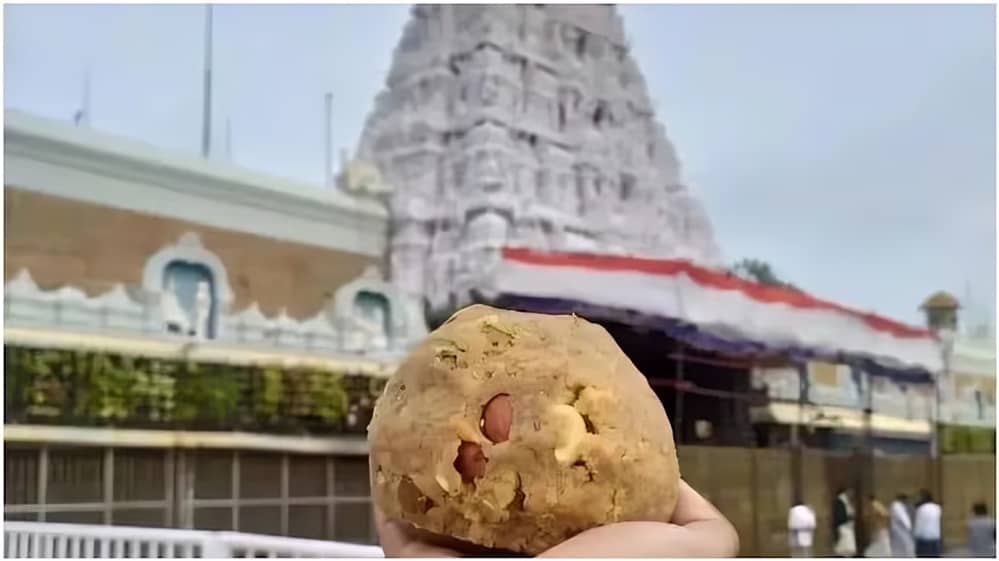
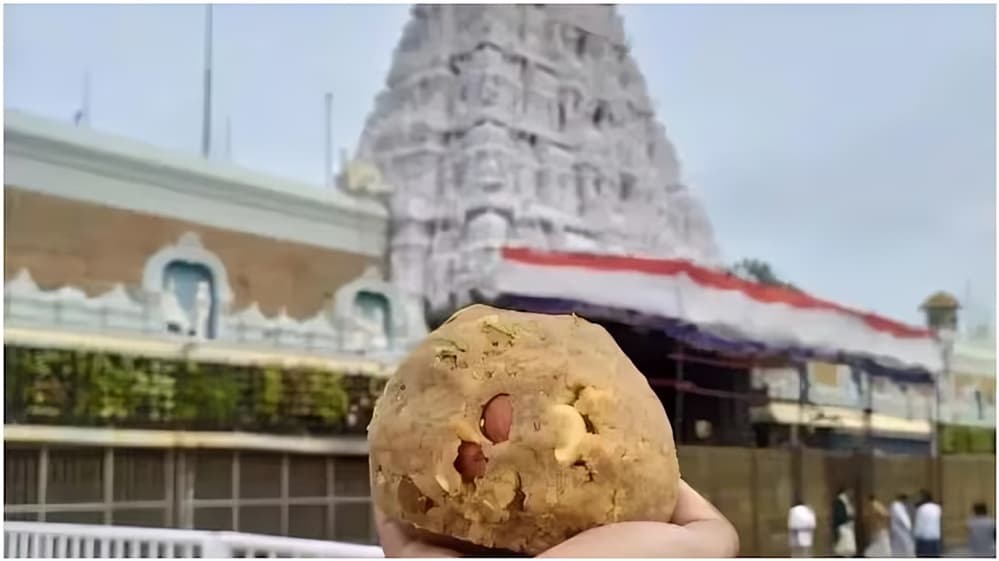
A political controversy surrounding the Tirupati laddoo has escalated tensions in Andhra Pradesh, prompting the YSR Congress Party to approach the National Human Rights Commission. The party has alleged serious law and order failures and claimed that its leaders and former ministers have been subjected to targeted attacks following allegations of ghee adulteration in the sacred prasadam.
The issue emerged after claims were made that substandard or adulterated ghee may have been used in the preparation of the Tirupati laddoo, which is offered as prasadam at the Tirumala temple. The laddoo holds deep religious significance for millions of devotees across the country, and any concern regarding its purity has sparked widespread public reaction.
In its complaint to the National Human Rights Commission, the YSR Congress Party accused the state government of failing to control violence and protect political opponents. The party alleged that several of its leaders faced intimidation and attacks in the aftermath of the controversy, creating an atmosphere of fear and instability.
The ruling establishment has rejected allegations of negligence and announced the formation of a special committee to investigate the claims related to ghee quality. According to government officials, the committee will conduct a detailed examination of procurement, testing, and usage processes related to the ingredients used in the laddoo preparation. The objective, they said, is to ensure transparency and restore public confidence.
The state government has also emphasized that preserving the sanctity and reputation of the Tirumala temple is a top priority. Officials stated that strict quality control measures are already in place and that any lapses, if found, would be addressed without delay. They added that necessary steps are being taken to prevent misinformation and maintain peace.
Meanwhile, political exchanges between the ruling party and the opposition have intensified. Leaders from both sides have accused each other of politicising a religious issue for electoral and political gain. Public debates and protests have further added to the charged atmosphere in the state.
Temple authorities have appealed to devotees to remain calm and trust the investigation process. They reiterated that the Tirumala Tirupati Devasthanams follows long established procedures for maintaining quality and hygiene in prasadam preparation.
The controversy has once again highlighted the sensitive intersection of religion and politics in Andhra Pradesh. As investigations move forward, attention remains focused on the findings of the special committee and the response of constitutional bodies to the complaints raised.
The outcome of the inquiry is expected to have a significant impact on public discourse, political accountability, and trust in institutions responsible for managing religious traditions.


